AI Servers: More Orders, Less Profit? [Margin Squeeze]
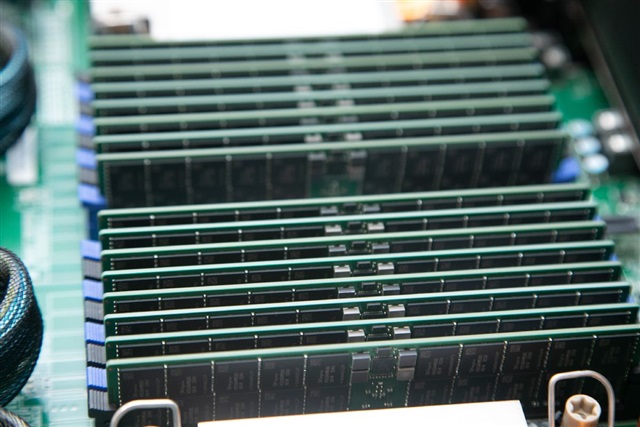
The AI gold rush is on, but not everyone's striking it rich. System assembly makers are finding that a flood of orders means a flood of expenses, too.
The titans of silicon have landed. Jensen Huang and Lisa Su are in Taipei, ready to unleash their latest wares at Computex 2026, and the air crackles with anticipation.
The AI gold rush is on, but not everyone's striking it rich. System assembly makers are finding that a flood of orders means a flood of expenses, too.

Did you know your next electric car might owe a bit to artificial intelligence? L&T is betting on Synopsys' AI tools to build better power modules, faster.
Your AI morning briefing for May 13, 2026 — the top stories you need to know.
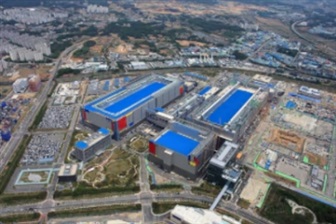
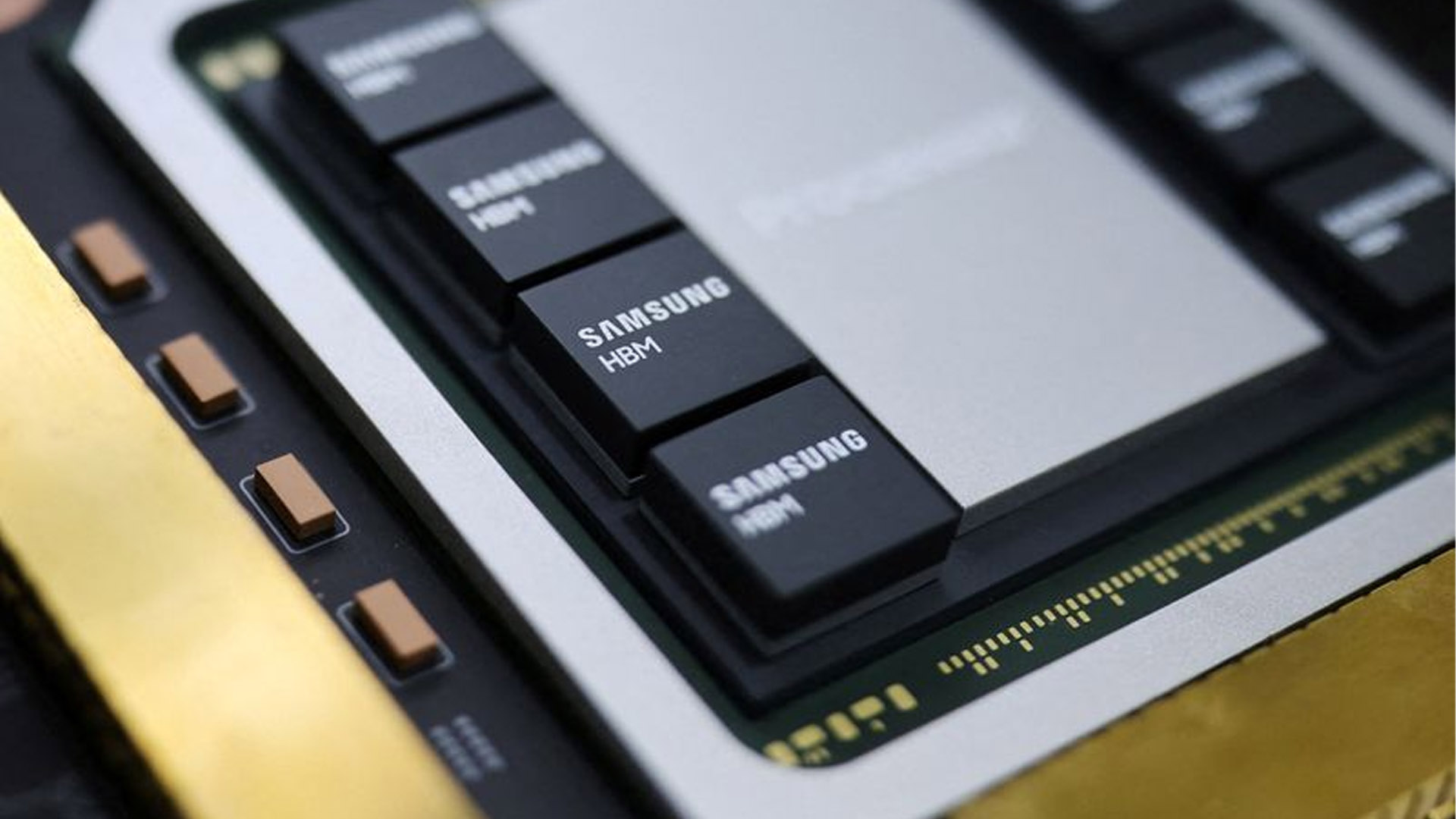
Samsung's foundry business is showing a pulse after a long slump. The secret ingredient? A potent cocktail of AI chip orders and the emerging HBM4 standard, revitalizing its advanced 4nm lines.
Forget remembering dozens of complex passwords. HIPPO offers a novel approach: one master password unlocks a system that generates unique credentials for every site, without storing any of them.
The delicate dance between Samsung and its labor union has stumbled, threatening to bring global chip production to a grinding halt. What was supposed to be a routine pay negotiation has devolved into a potential 18-day strike, casting a long shadow over memory chip availability.
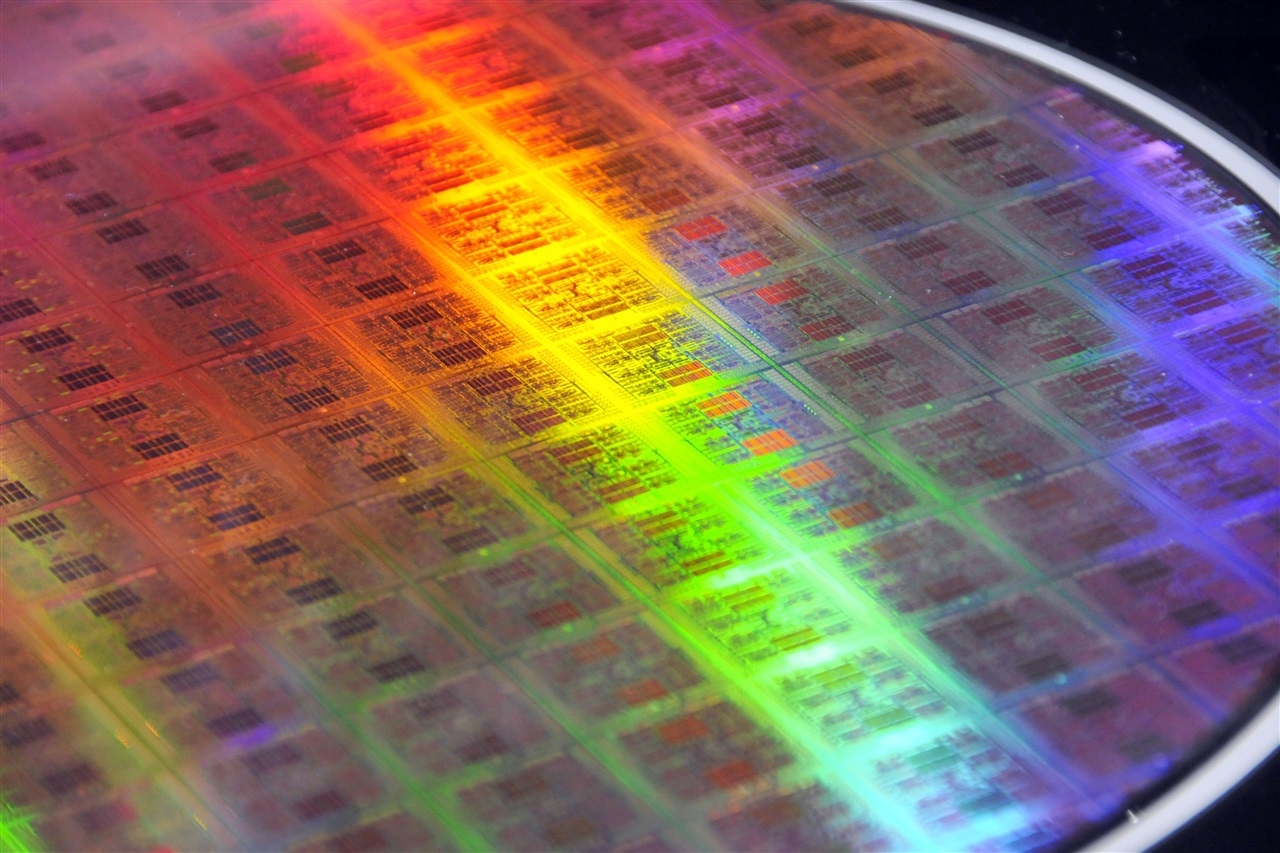
Forget booming chip sales for a moment. The real story of 2025's tech surge might be in the microscopic dust and chemicals that make those chips possible.
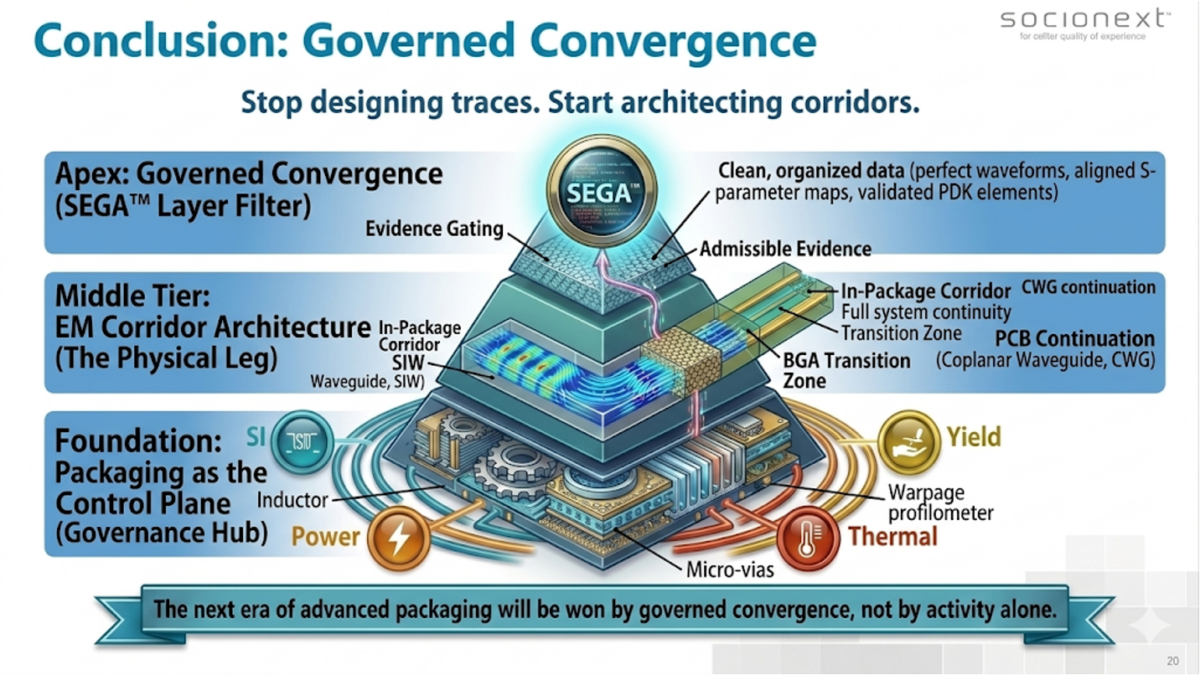
We're not just talking about tools playing nice anymore. The semiconductor industry is staring down a massive system-level convergence crisis, and surprisingly, AI might not be the magic bullet everyone hopes for.
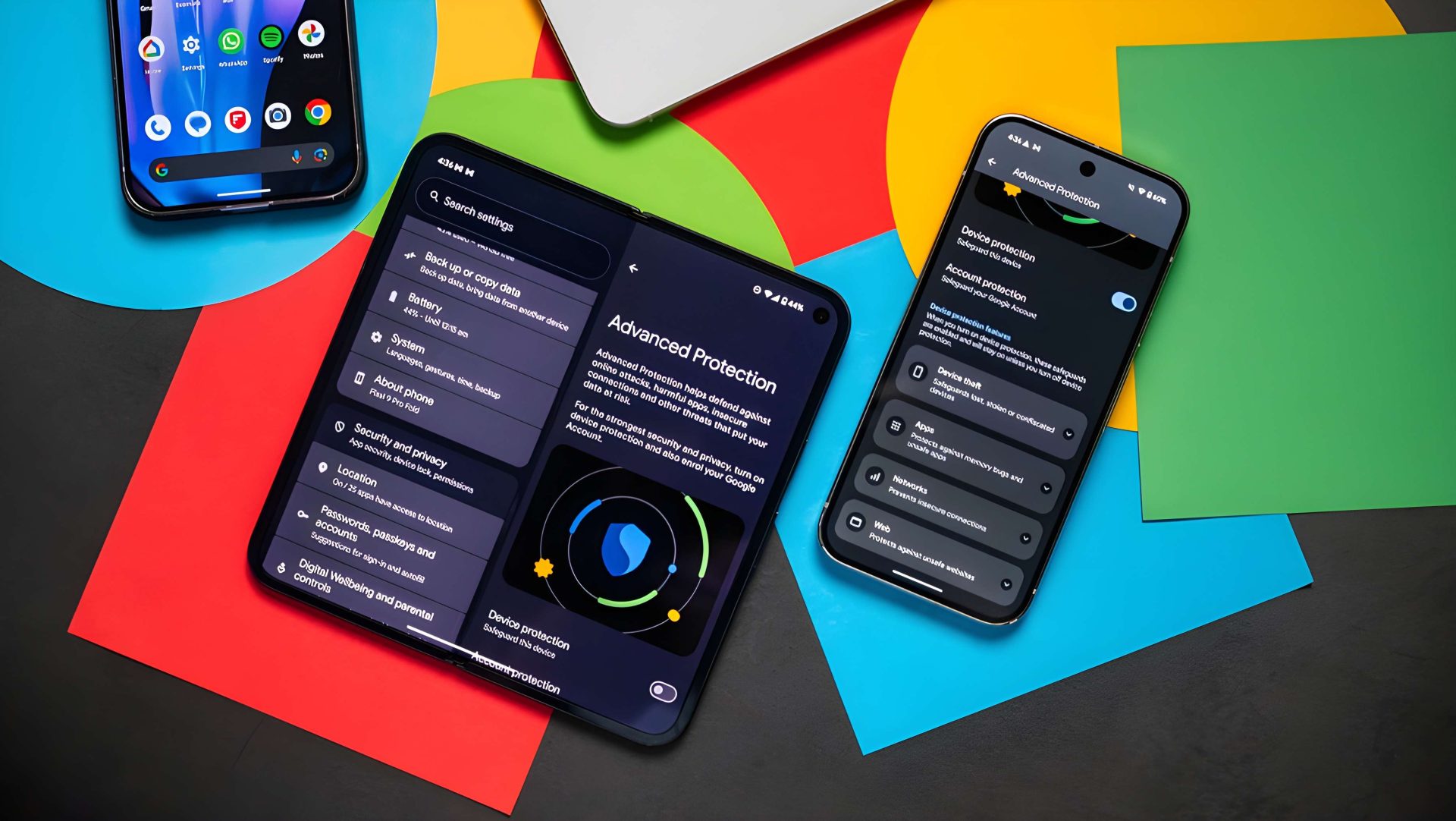
Google I/O's Android announcements are significant, but the star was Googlebook – a laptop aiming to blend Chrome OS and Android. The question is: is this a natural evolution or a fundamental shift?
AI's relentless drive for more compute power is slamming headfirst into the physical limitations of our electrical grids. Forget thermals; the real bottleneck is the power chain's ability to handle insane, millisecond-level spikes.
The semiconductor world's chasing the next big thing in chip stacking, and this time, it's all about 2D materials. Forget clunky silicon; these atomically thin wonders could be the key to smaller, cooler, and more power-efficient processors.
Chip design is a hydra, and managing its complexity is the eternal struggle. Perforce is betting its IPLM tools are the sword.