[60% Plausible] NVIDIA Eyes PC OEM Buyout to Reinvent Gaming
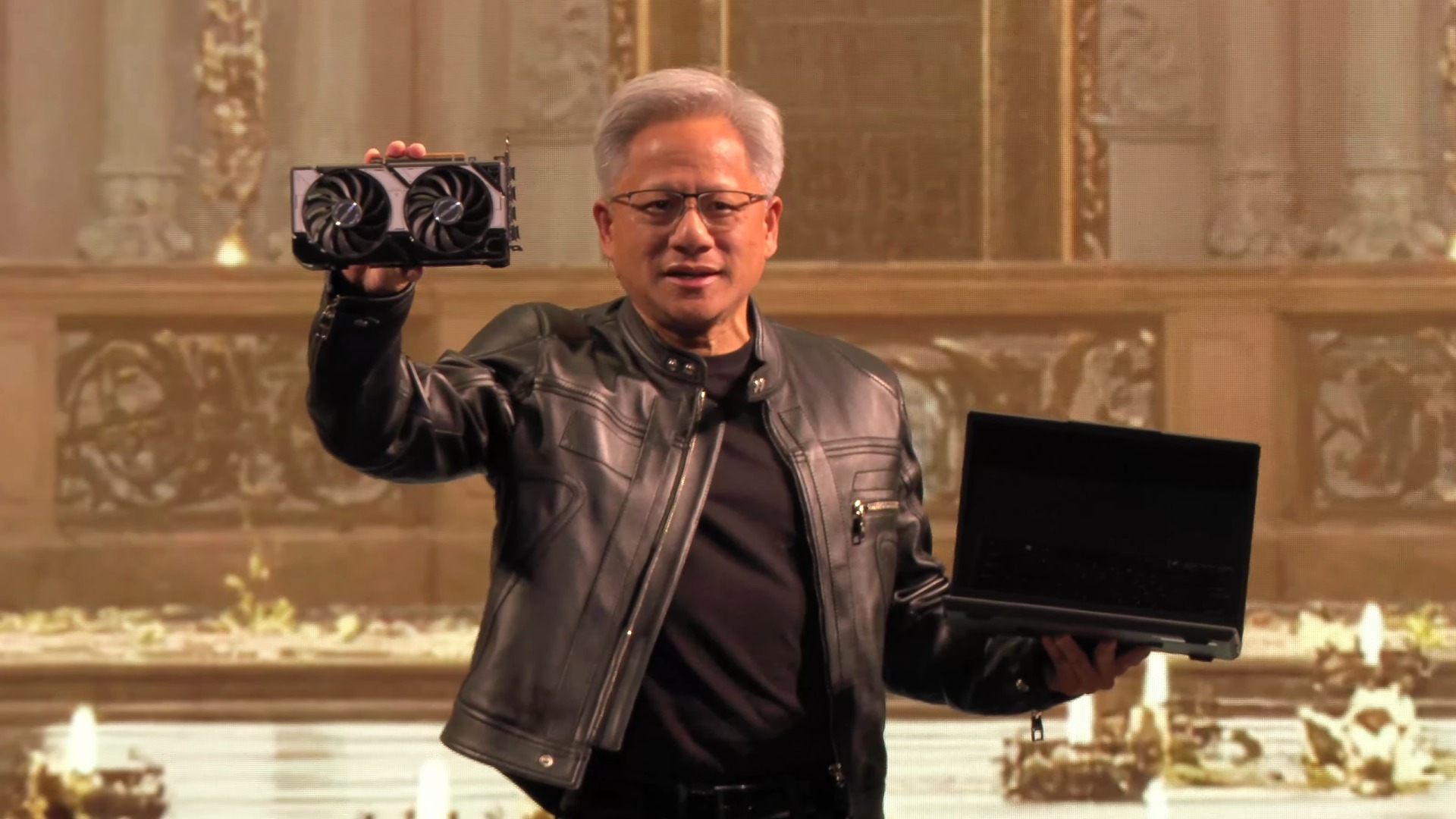
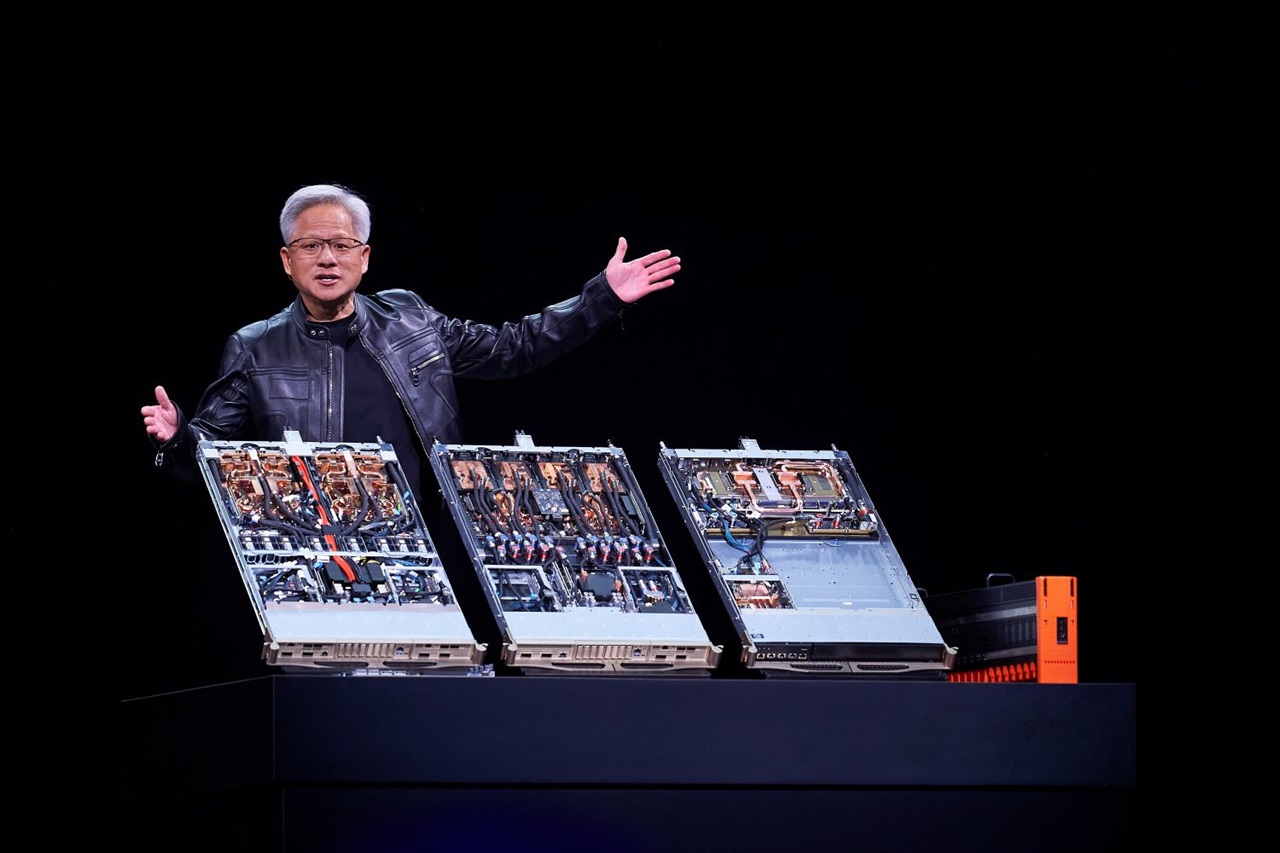
What if NVIDIA, GPU overlord, suddenly built its own PCs? A fresh rumor pegs them in secret talks to buy a major manufacturer, eyeing a total computing reboot amid slumping PC sales.
Epic Games is finally talking Unreal Engine 6, and it’s starting with Rocket League. The big promise? Ditching the single-threaded simulation bottleneck.
What if NVIDIA, GPU overlord, suddenly built its own PCs? A fresh rumor pegs them in secret talks to buy a major manufacturer, eyeing a total computing reboot amid slumping PC sales.
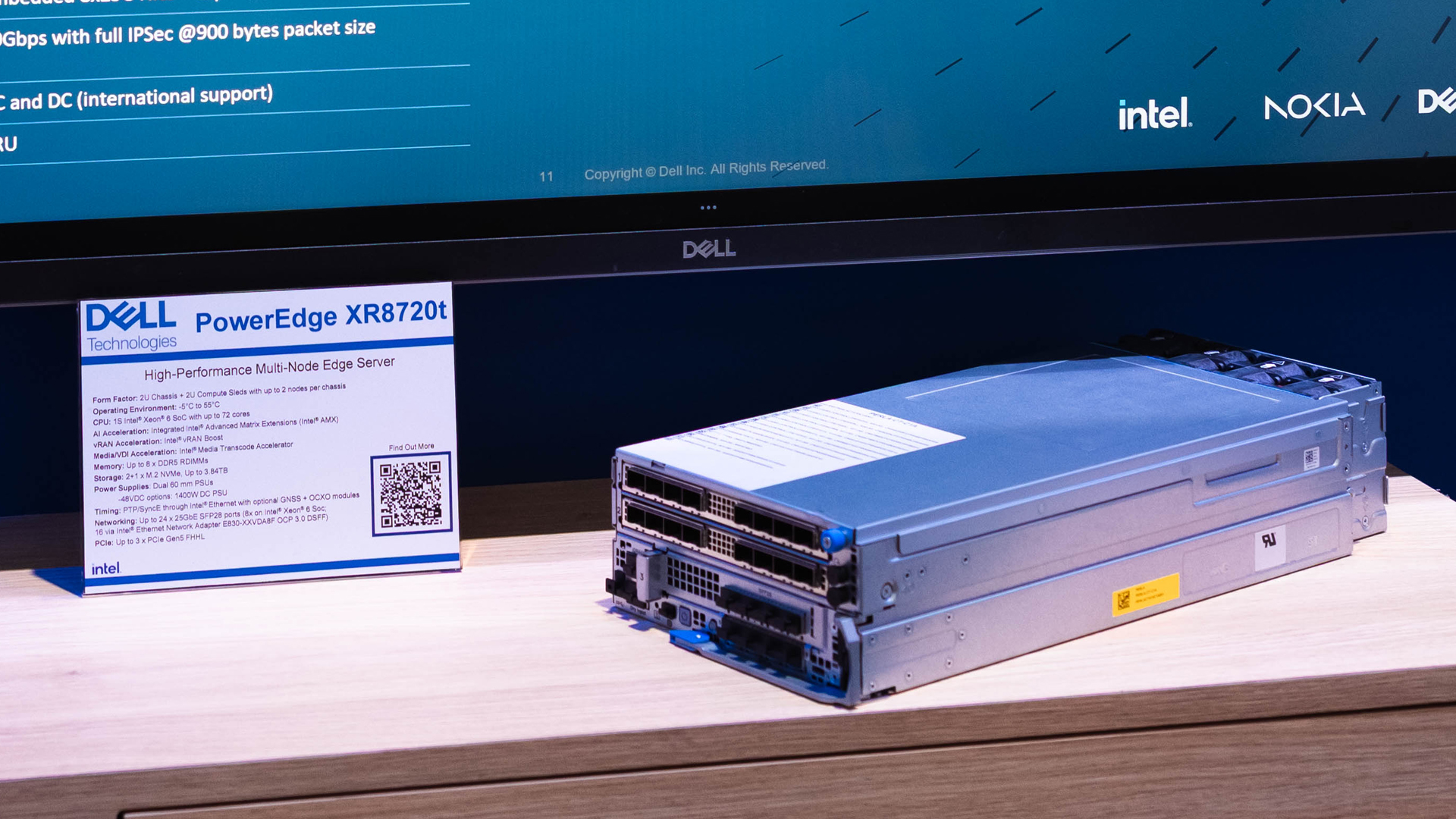
They're shoving Intel Xeon 6 into a tiny Dell box for Nokia's edge dreams. Promises 30% faster UPF, 43% less power— but does the far edge really need this rescue?
Liquid cooling's sprinting ahead in AI servers, dragging Taiwan's thermal wizards into the spotlight. But don't pop the champagne—these guys are still revenue minnows next to TSMC.
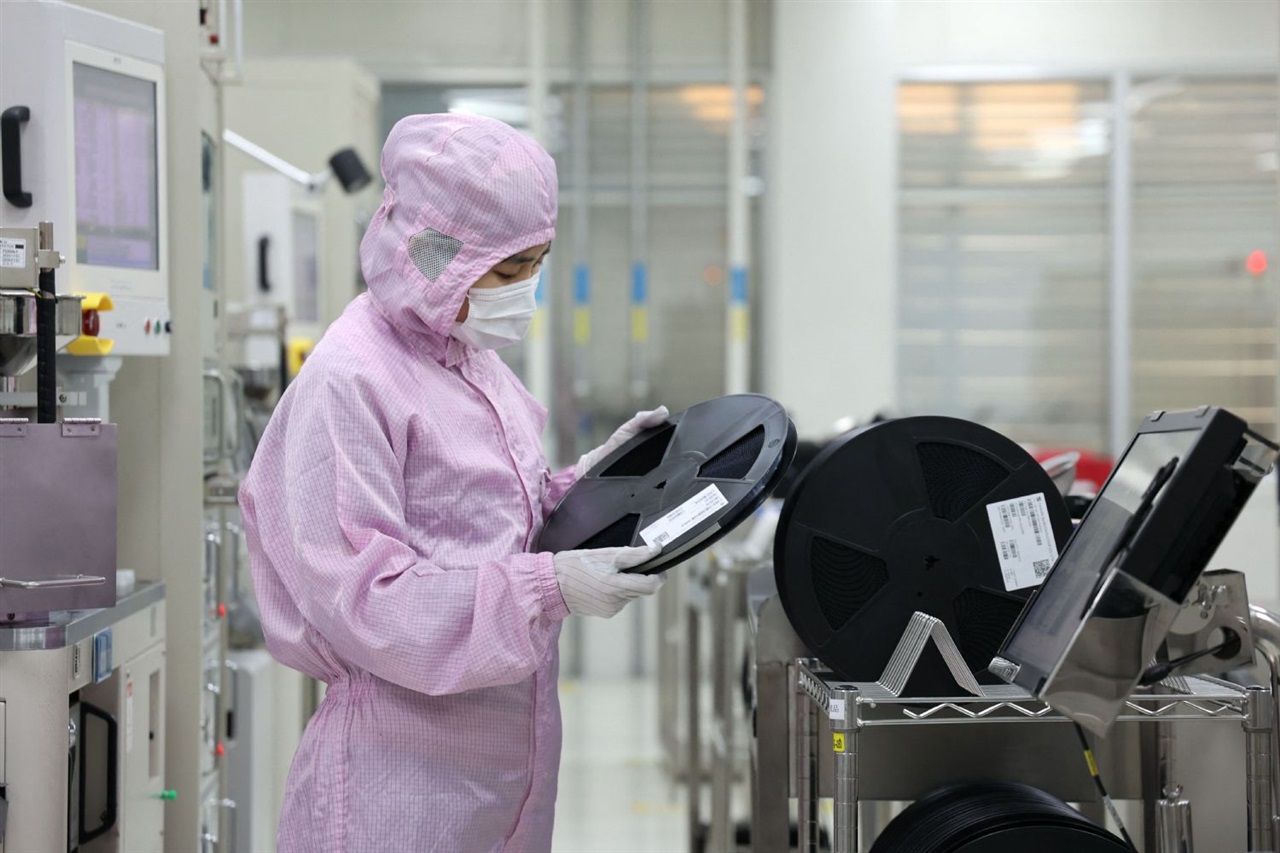
Factory workers in Taiwan just saw their bonuses swell. Nan Pao's record March haul means steadier paychecks — for now — as chip demand props up chemical suppliers.
Taiwan's dropping NT$300 billion on chip gear for schools. Over 200 high-end devices. Sounds ambitious—until you sniff the desperation.
Washington's latest export hammer drops — the MATCH Act — just as Intel refinances its way to Foundry dominance and Nvidia turns competitors into collaborators. These aren't isolated moves; they're the architecture of AI supremacy.
India's semiconductor dreams are taking root, not in Silicon Valley-style fabrication plants, but in the minds of its designers. IndieSemiC and Kaynes are spearheading this wave.
The AI gold rush is hitting a wall, and chipmakers are quietly scrambling. Intel and SambaNova's latest move isn't just another partnership; it's a pragmatic pivot away from the GPU-only playbook.
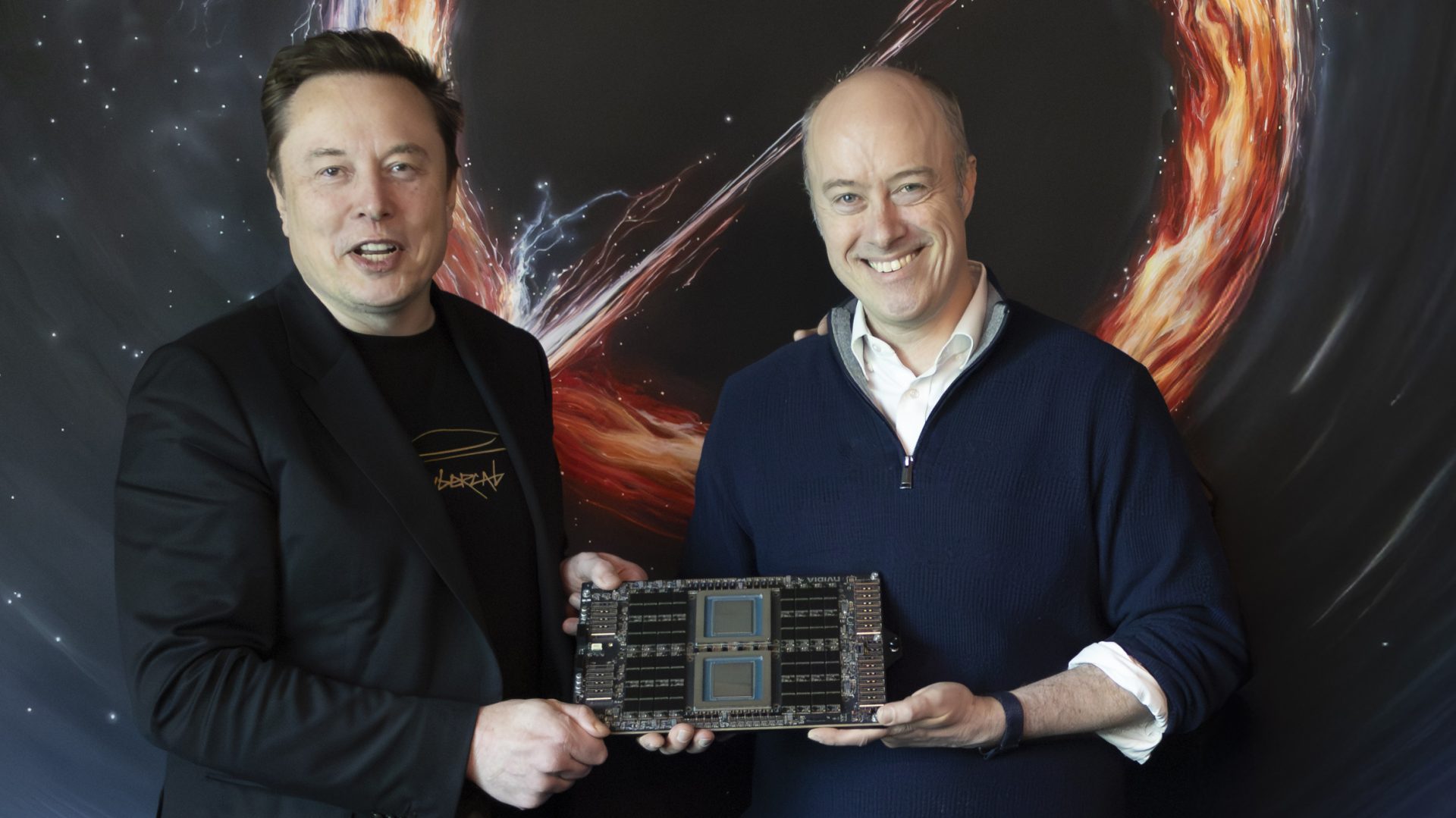
Forget Intel's turnaround story; this is about Elon Musk filing a flight plan for America's foundry future. A potential deal could ignite a race for domestic chip manufacturing, with AI demand as the engine.
Arm's ambition to capture a $1 trillion total addressable market means it's no longer just a neutral IP provider. The implications for its customers, and the rise of RISC-V, are seismic.
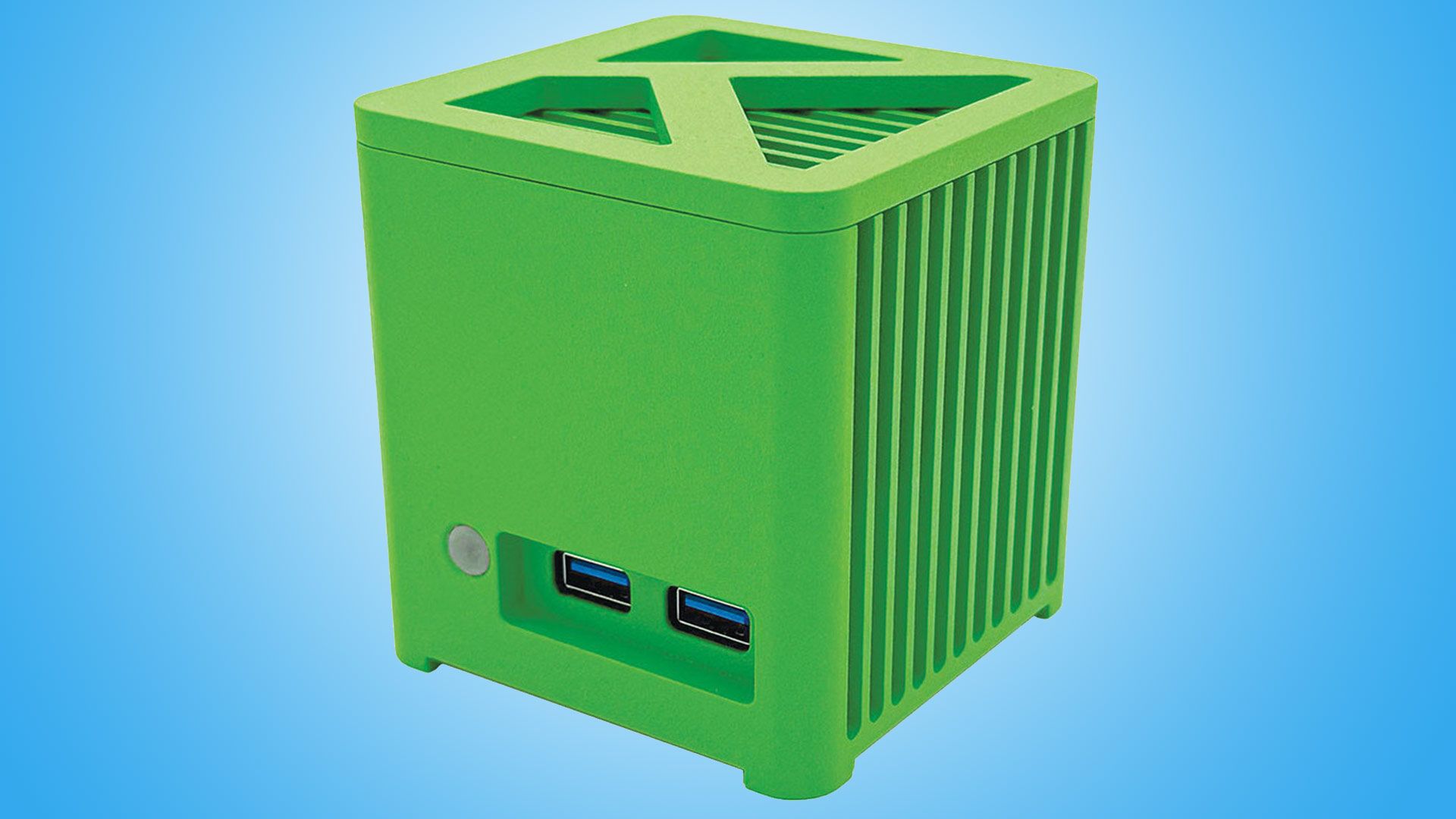
The silent PC market just got a lot louder – visually, at least. Kubb's new Mini PCs, powered by Intel's Twin Lake chips, arrive in a rainbow of hues, challenging the drab aesthetic of passive cooling.
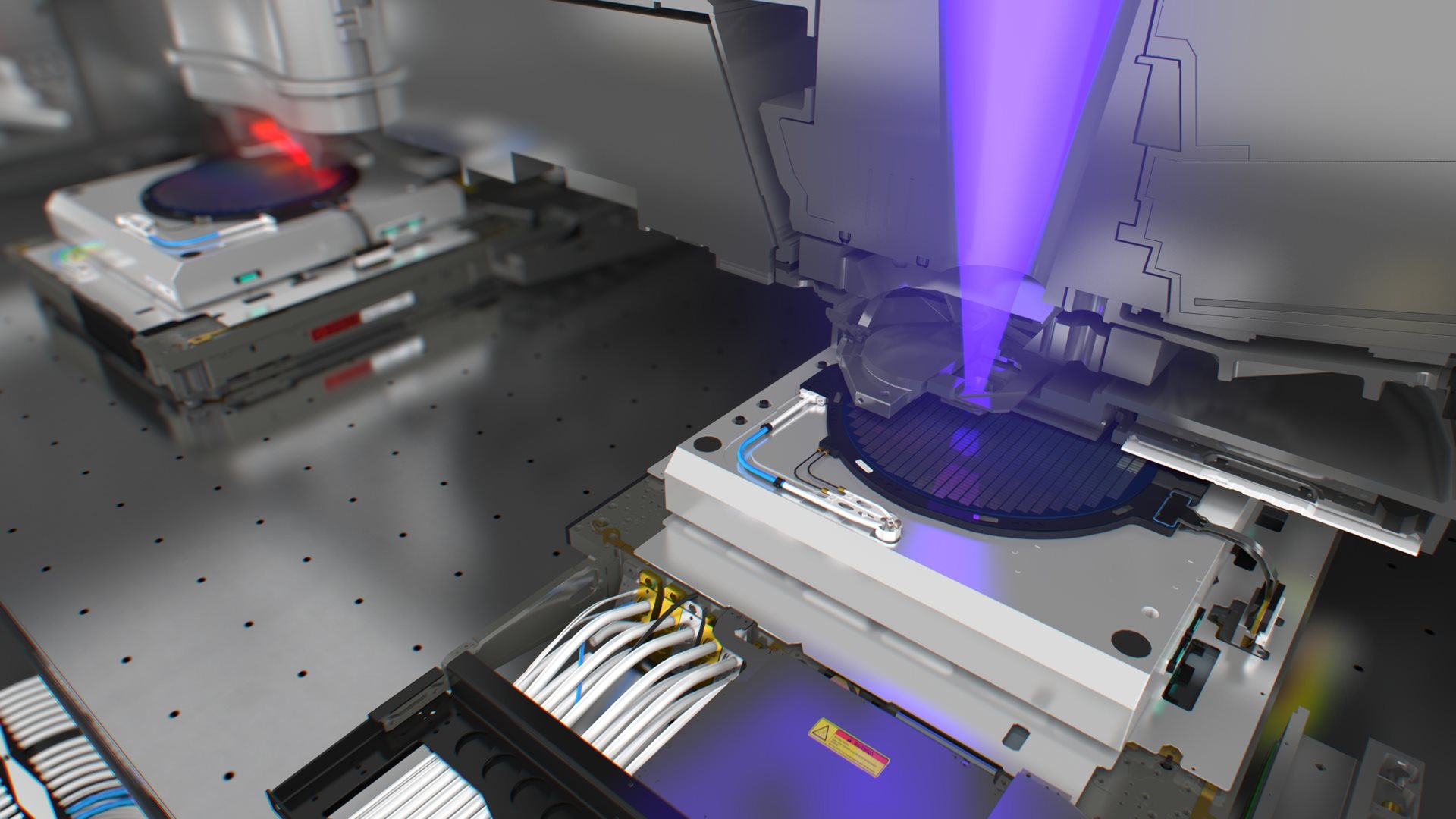
Is China's semiconductor ascent about to hit a brick wall? New US legislation aims to sever its lifeline to critical ASML equipment, potentially reshaping the global chip landscape.