Android 16 on RISC-V. That’s the headline. Alibaba managed it. And suddenly, the established order of mobile chips looks… wobbly.
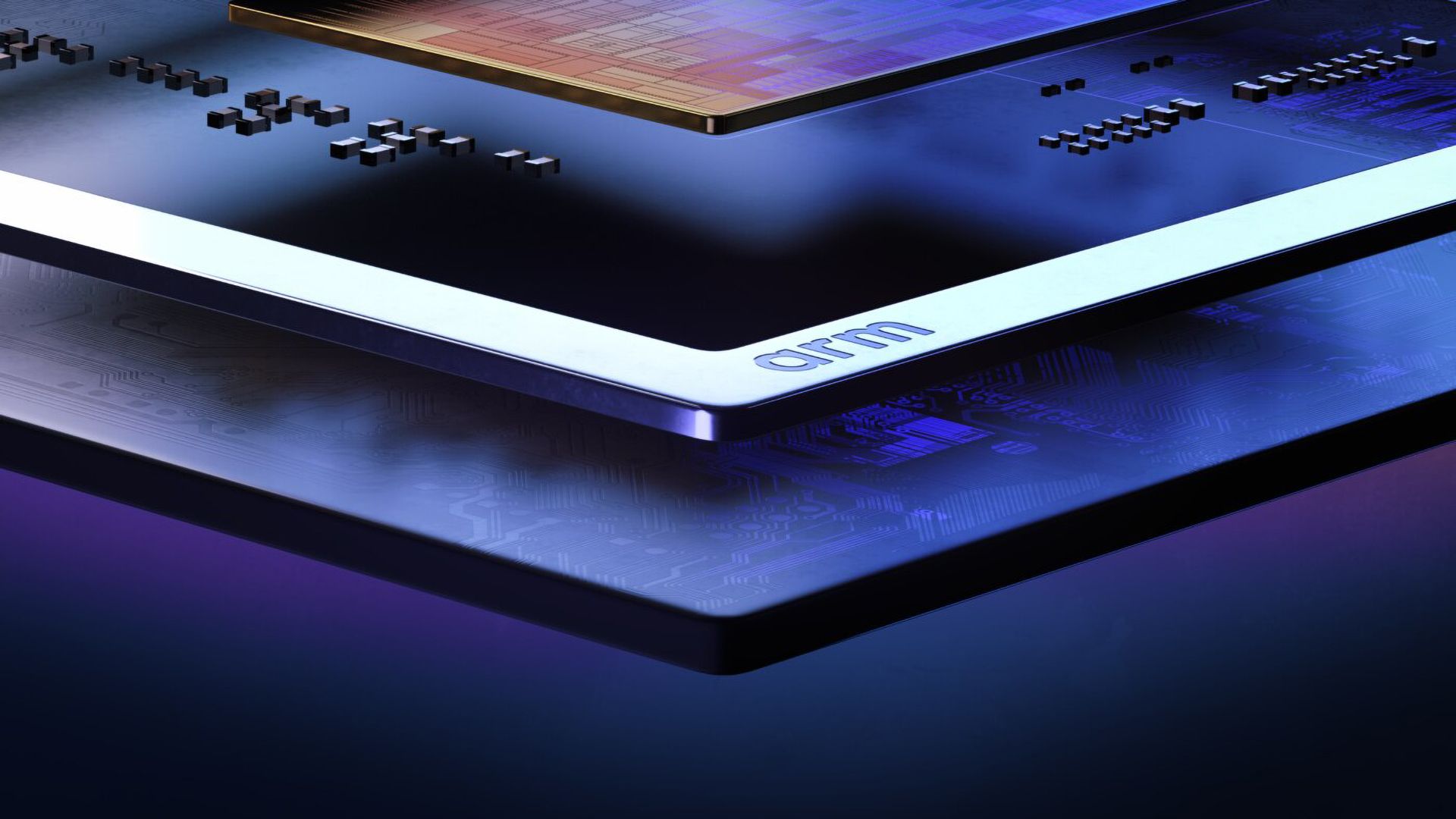
For years, ARM has been the undisputed king of the mobile processor castle. Every smartphone, every tablet, virtually every device you carry around with a screen runs on ARM. It’s ubiquitous. It’s reliable. And it’s also… proprietary. And expensive.
Now comes Alibaba, porting a bleeding-edge version of Android to an open-source instruction set architecture. RISC-V. This isn’t just some hobbyist project. This is a major tech player showing that the emperor has no clothes, or at least that his robes are starting to fray at the edges.
The ramifications are enormous. Think about it: RISC-V is royalty-free. Anyone can use it. Anyone can modify it. Anyone can build upon it without paying licensing fees to a gatekeeper. For companies looking to innovate, to shave costs, or frankly, to escape the gravitational pull of ARM’s licensing model, this is manna from heaven.
Why Android 16?
Running an old OS on new hardware is one thing. Anyone can do that. But getting the latest version of Android—the one designed for modern devices, with all its security patches and feature sets—to hum on a RISC-V chip? That’s a different beast. It means the RISC-V ecosystem is maturing faster than many predicted.
It means the software stack is catching up. It means the potential for real-world, mass-market devices running on RISC-V is suddenly much, much closer. And it means ARM is no longer the only game in town. Far from it.
The ARM Anxiety Starts Now
ARM’s business model relies on licensing its architecture. It’s a highly profitable business, but it also means every chip designer wanting to create a custom SoC, from Qualcomm to Apple, has to pay up. For decades, there’s been no viable alternative at scale. RISC-V changes that equation entirely.
Look, I’m not saying ARM is dead. Far from it. They’ve got decades of engineering, tooling, and mindshare. But this Alibaba news is a massive signal flare. It tells the world that the walls are no longer impenetrable. Companies that feel squeezed by ARM’s licensing, or those looking to truly differentiate with custom silicon, now have a concrete, viable path forward.
This is what happens when a powerful, open standard starts to prove itself. We saw it with x86 in PCs, we saw it with Linux in servers, and we’re starting to see it emerge in areas traditionally dominated by proprietary architectures.
What Does This Mean for Devices?
So, when will you see your next smartphone running on a RISC-V chip powered by Alibaba’s efforts? Probably not tomorrow. The path from a successful port to a mass-produced, consumer-ready device is long and winding. It involves intense optimization, supply chain deals, and frankly, convincing consumers that a RISC-V phone isn’t some niche gadget.
But the precedent is set. The technical hurdles are being cleared. And with major players like Alibaba pushing the envelope, the development won’t stop. We’re likely to see more and more companies experimenting with RISC-V, especially in areas where customizability and cost are paramount: IoT devices, embedded systems, even specialized AI accelerators.
And eventually? That trickle could become a flood. Prepare for a more diverse, and perhaps more competitive, chip landscape. ARM’s reign might not be over, but its absolute dominion is certainly under serious, serious threat.
🧬 Related Insights
- Read more: Telcos Flip Networks into AI Grids with NVIDIA’s Blackwell Muscle
- Read more: M5 Pro MacBook Pro Shatters Discount Records [Analysis]
Frequently Asked Questions
What is RISC-V? RISC-V is an open-source instruction set architecture (ISA). Unlike proprietary ISAs like ARM or x86, RISC-V is free to use and modify, allowing for greater customization and innovation in chip design.
Will this make my phone cheaper? Potentially, yes. By reducing or eliminating licensing fees, companies can pass those savings on to consumers or invest them in other features. However, the exact impact on pricing will depend on market competition and other manufacturing costs.
Does this mean ARM is finished? No, ARM is not finished. It has a strong market position, extensive developer support, and a wide range of optimized products. However, RISC-V presents a significant alternative that could challenge ARM’s dominance in various market segments over time.