Look, when a company like AMD announces it’s shoveling over $10 billion into its supply chain, especially in the hot-button world of AI, you don’t just nod and smile. You squint. You ask: Who’s really cashing in here, and what does it mean for the folks actually building and using this stuff, not just the suits in the boardroom? Because let’s be honest, all this talk of AI supercycles and multi-gigawatt deployments sounds great on paper, but for the average user, or even the IT admin trying to keep the lights on, it’s usually just more noise. Until it isn’t.
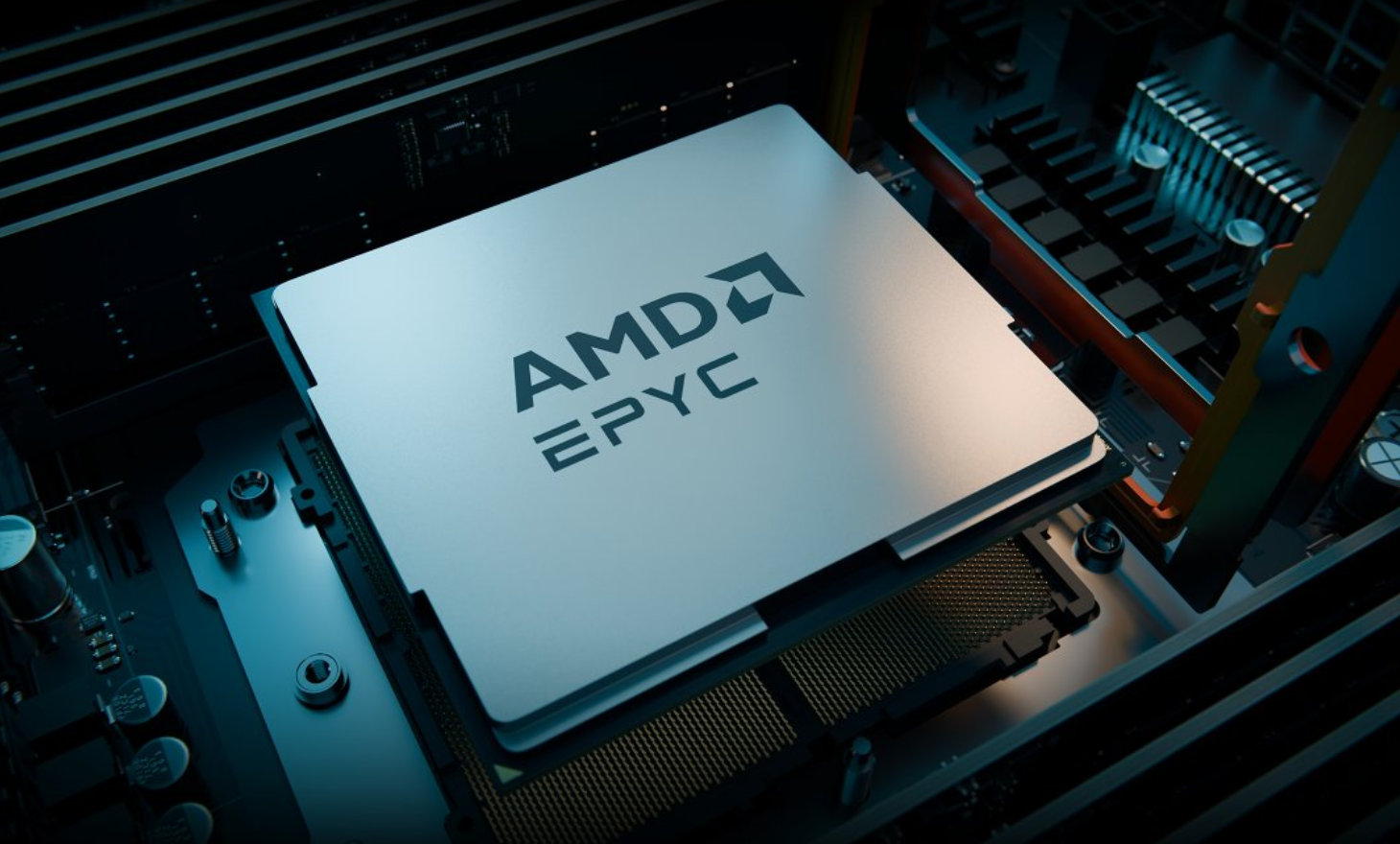
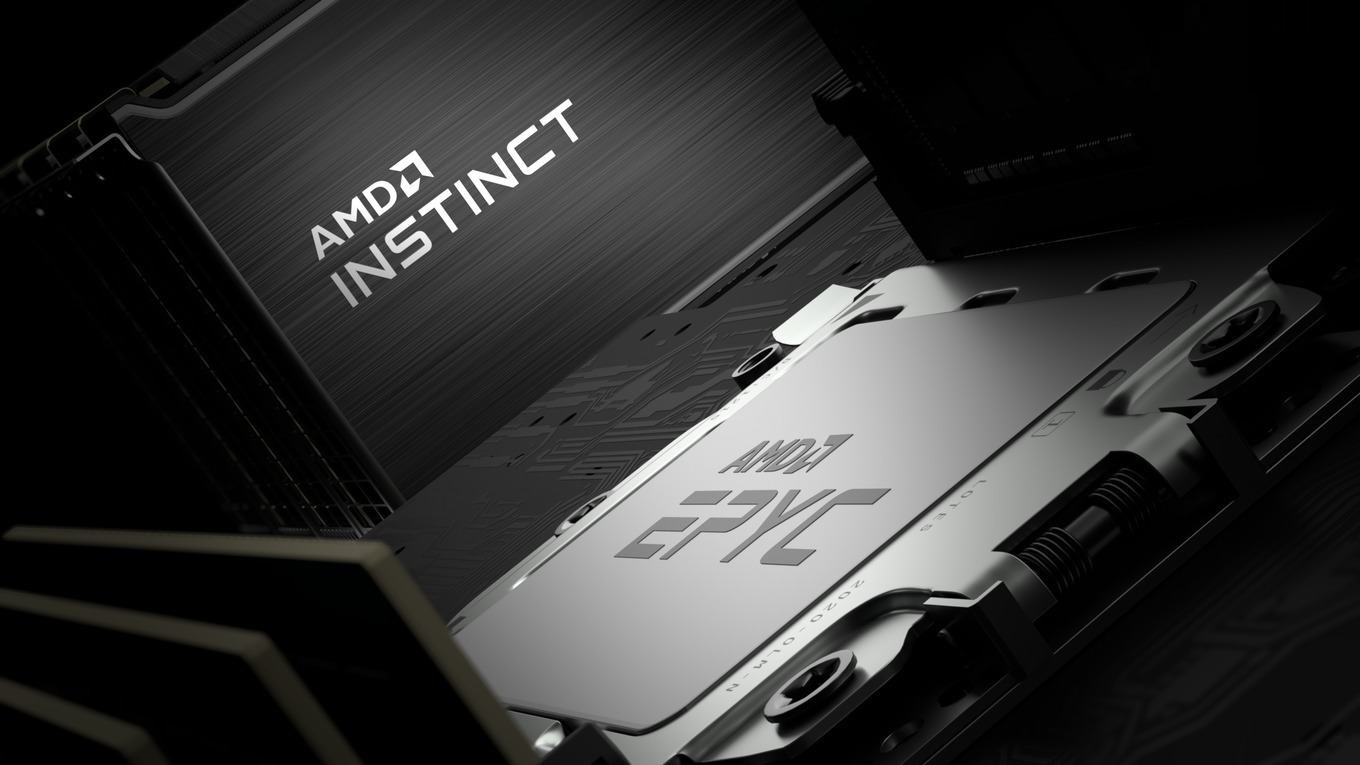
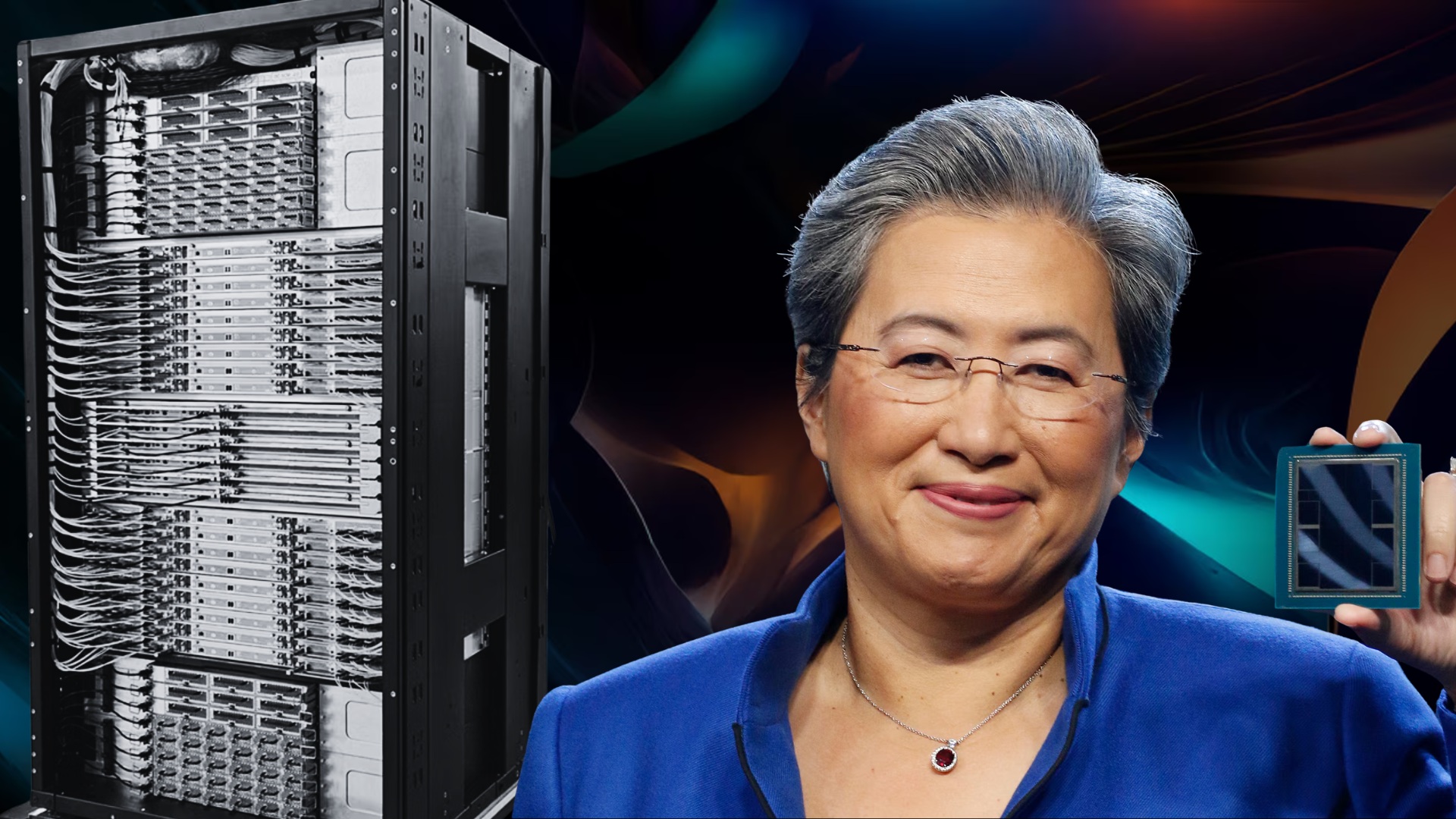
This latest splash of cash from AMD, aimed squarely at Taiwan’s tech manufacturing prowess, is all about getting their new Helios AI racks – stuffed with their 6th Gen EPYC CPUs (codenamed Venice) and MI450X GPUs – into data centers by the second half of 2026. They’re talking about a whole ecosystem, from the ODMs like Sanmina and Wiwynn to the chip packaging wizards like SPIL and PTI. It’s a whole lotta moving parts, and a whole lotta money changing hands. The question, as always, is whether this translates into anything tangible beyond bigger quarterly earnings reports.
Is This Just More AI Flash-in-the-Pan Hype?
AMD’s press release is, predictably, full of the usual Silicon Valley bravado. They’re talking about “strategic partnerships,” “advanced packaging capabilities,” and “industry-leading” tech. It’s the same song and dance we’ve heard a thousand times. But here’s the unique bit: this isn’t just about slapping a new chip in a server. This is about building out an entire rack-scale system – the Helios – and emphasizing advanced packaging. That’s where the real meat is. We’re talking about things like EFB-based 2.5D packaging, which, in plain English, means they’re trying to jam more connections between chips and make them talk to each other faster and more efficiently. Think of it like upgrading the highways connecting critical cities in a metropolitan area, rather than just building a few more skyscrapers.
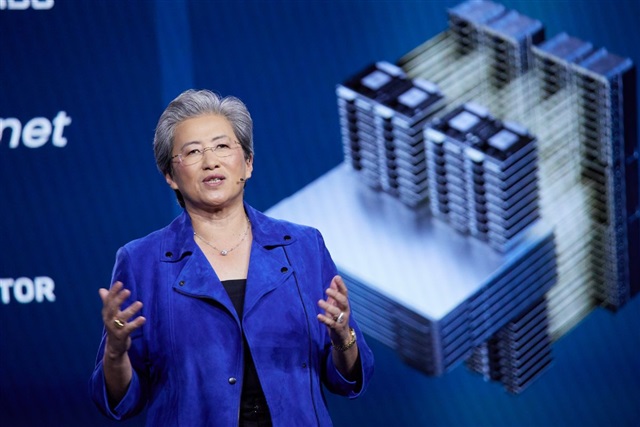
“As AI adoption accelerates, our global customers are rapidly scaling AI infrastructure to meet growing compute demand,” said Dr. Lisa Su, Chair and CEO, AMD. “By combining AMD leadership in high-performance computing with the Taiwan ecosystem and our strategic global partners, we are enabling integrated, rack-scale AI infrastructure that helps customers accelerate deployment of next-generation AI systems.”
Who’s actually making money here? Well, the Taiwanese firms getting the bulk of that $10 billion, for starters. Companies like ASE, SPIL, PTI, and the various ODMs are clearly poised to benefit. They’re the ones doing the heavy lifting on the manufacturing and packaging side. And then, of course, there’s AMD itself, betting big that these new chips and integrated systems will capture a significant chunk of the AI hardware market. It’s a high-stakes gamble, but one they seemingly have to make if they want to seriously compete with the giants already entrenched in this space.
Why Does This Matter for Developers and Data Centers?
For developers and those managing the data centers that will house these Helios racks, the promise is faster, more efficient AI processing. The focus on advanced packaging means potentially better performance per watt. That’s music to the ears of anyone who’s ever looked at a towering electricity bill or a server room that feels like a sauna. The goal is to enable these colossal AI deployments without completely breaking the bank on power and cooling. It’s a crucial step towards making AI infrastructure more sustainable and, dare I say, practical at scale. The caveat? We’re talking 2H 2026 for these to really hit the ground running. That’s a long time in the tech world, and a lot can happen between now and then. Will these chips still be cutting-edge? Will the AI landscape have shifted entirely? These are the kinds of questions that keep us veterans up at night.
It’s easy to get lost in the sheer numbers – $10 billion here, multi-gigawatt there. But drill down a bit, and you see AMD is trying to solve a real problem: the sheer complexity and cost of building AI infrastructure. Their bet on advanced packaging and deep integration with Taiwanese manufacturers isn’t just about pushing the envelope on performance; it’s about making large-scale AI deployments economically feasible. If they pull this off, it could significantly lower the barrier to entry for organizations wanting to run massive AI models, democratizing access to AI compute in a way that simply wasn’t possible before. But remember, this is AMD, not a startup with unlimited runway. They’ve got to execute flawlessly, and that’s a big ‘if’ in this cutthroat industry.
The Taiwan Connection: More Than Just Manufacturing?
The strategic importance of Taiwan in all this can’t be overstated. It’s not just about cheap labor or massive factories anymore. Taiwan has become the undisputed epicenter of advanced chip packaging and manufacturing expertise. Companies like ASE and SPIL aren’t just assemblers; they’re innovators in their own right, pushing the boundaries of what’s possible with silicon. AMD’s investment here is as much about tapping into that deep well of expertise as it is about securing manufacturing capacity. It’s a symbiotic relationship where AMD provides the vision and the funding, and Taiwan provides the specialized know-how and infrastructure. This isn’t a new development, but it’s certainly being amplified by the AI boom. The geopolitical implications are, of course, enormous, but for the purpose of this article, let’s focus on the silicon itself.
What happens if these plans don’t pan out? Well, AMD could find itself playing catch-up again, having sunk billions into a strategy that didn’t deliver. The Taiwanese partners might diversify their own client lists, and the much-vaunted Helios racks could end up being a footnote in AI history. But if they succeed, it’s a win-win-win: AMD gets its powerful AI hardware out the door, Taiwanese firms solidify their dominance in advanced manufacturing, and the world gets access to more potent AI tools. It’s a gamble with potentially massive payoffs, and frankly, that’s what makes covering this stuff endlessly fascinating. We’ll be watching.
🧬 Related Insights
- Read more: Samsung Foundry Flips to Profit: 4nm Demand Surges
- Read more: NVIDIA’s CPU Ambitions: Beyond GPUs, A $20B Revenue Tidal Wave
Frequently Asked Questions
What are AMD’s new AI chips called? AMD’s new AI hardware includes the 6th Gen EPYC CPUs codenamed ‘Venice’ and the Instinct MI450X AI GPUs, which will be housed in the Helios AI racks.
When will AMD’s Helios AI racks be available? AMD is targeting multi-gigawatt deployments of its Helios AI racks beginning in the second half of 2026.
What is advanced packaging in semiconductors? Advanced packaging refers to sophisticated methods of interconnecting semiconductor dies (chips) and integrating them into a single package. Techniques like 2.5D and 3D stacking allow for higher performance, greater power efficiency, and smaller form factors compared to traditional packaging.