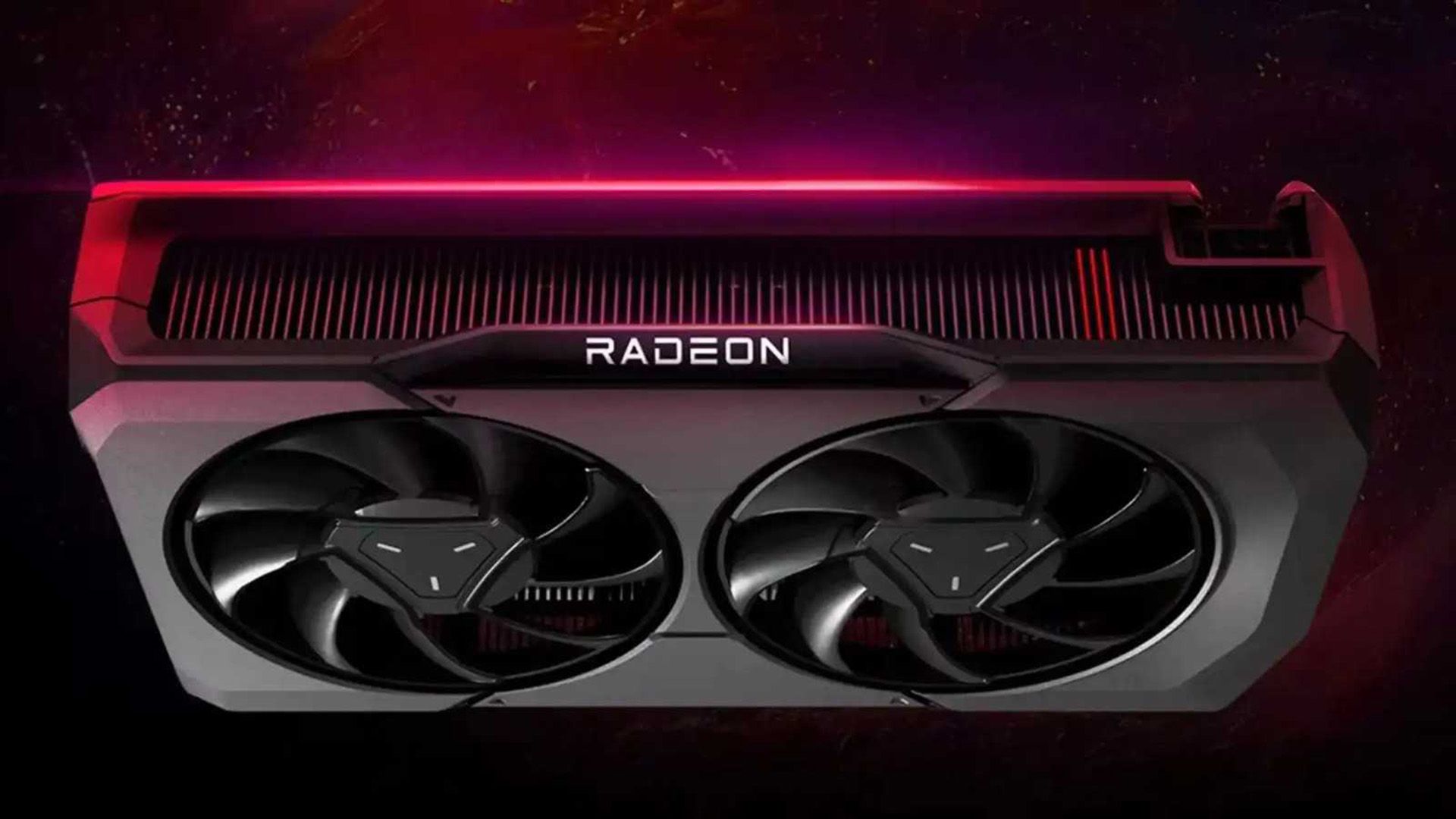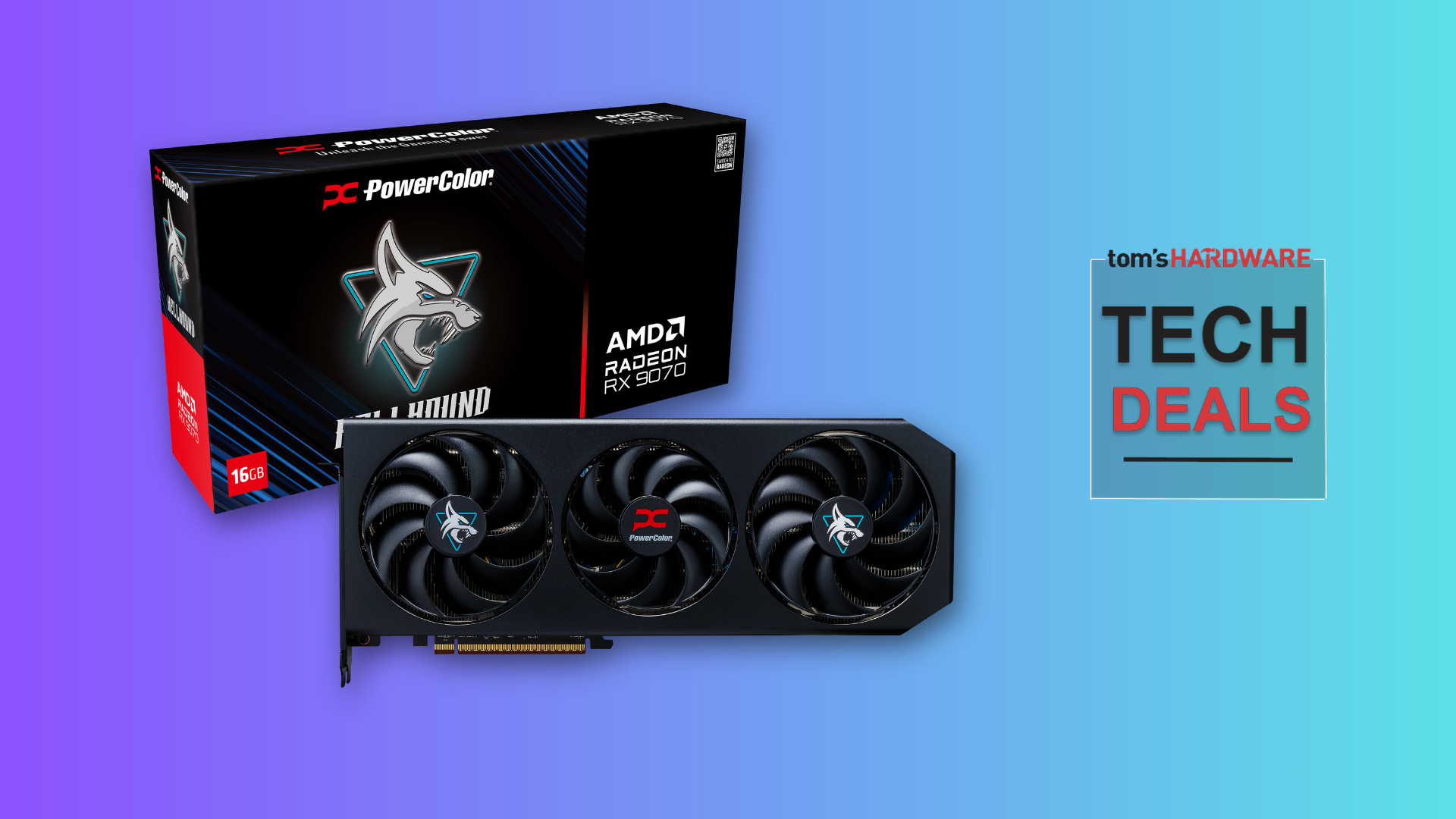
And just like that, the much-hyped RDNA 4 GPUs are hitting Japanese retailers like a sack of potatoes. We’re talking about AMD’s Radeon RX 9070 XT and RX 9060 XT, two cards that were supposed to be the shining beacons of AMD’s next-gen offering, now apparently finding themselves so unwanted they’re being peddled below their official Manufacturer’s Suggested Retail Price. This isn’t some fringe flash sale, mind you; reports from Gazlog paint a picture of a steady, unyielding slide in prices across the board.
Let’s talk numbers, because that’s what really matters, right? The flagship RX 9070 XT, which officially kicks off at 112,980 Yen and can climb all the way to 137,800 Yen, is now routinely found for under 100,000 Yen. We’re seeing prices as low as 87,800 Yen, which, if you’re doing the quick mental math, works out to about $552 USD. That’s a significant chunk off MSRP, and a slap in the face to the global ‘RAMpocalypse’ narrative that’s been inflating GPU prices everywhere else. Even models from Sapphire and ASRock are hovering around the 90,000 Yen mark.
And it’s not just the high-end bleeding. The supposedly popular budget option, the RX 9060 XT 16 GB, has also taken a nosedive, now available for an astonishing 52,800 Yen (or roughly $332 USD). Considering its US MSRP was $349 and Japan’s launch price was in the 52,800-59,800 Yen range, this is more than just a discount; it’s an admission of sorts that the market just isn’t biting. Retailers, bless their hearts, are apparently so eager to offload this RDNA 4 inventory that they’re willing to take a loss to recoup some of their investment. It’s a stark reminder that in this industry, hype rarely pays the bills – actual demand does.
The Unseen Hand of Demand (or Lack Thereof)
This price cratering in Japan tells a story far more complex than a simple supply chain hiccup. While the global market has been battling inflated component costs and insatiable demand for AI silicon, seemingly trickling down to consumer GPUs, something different is happening on the ground in East Asia. It suggests that either the marketing for these RDNA 4 cards missed the mark, or perhaps the actual performance gains simply aren’t justifying the initial sticker shock for a significant segment of the market. For years, we’ve seen GPU prices swing wildly based on crypto booms, supply crunches, and now, the AI gold rush. But this? This feels like a market saying, ‘Nah, we’re good.’
What’s truly fascinating here, and something the original report glosses over, is the disconnect. Globally, we’re still hearing whispers of inflated VRAM costs impacting GPU pricing. Yet, in Japan, these same cards are now cheaper than they were at launch, despite that alleged cost pressure. This implies a two-tiered market is in full effect, where regional demand, inventory levels, and possibly even local competitive pressures are creating vastly different pricing realities. Who’s actually making money here if retailers are selling below MSRP? The consumer, for sure. But for AMD and its partners, this is less a ‘competitive pricing’ strategy and more a desperate attempt to move metal before it becomes obsolete.
Why Are These New AMD GPUs So Cheap in Japan? Is it Overstock?
The obvious question for anyone looking at these prices is: what’s going on? Are we talking about a regional glut? Are these cards somehow defective? The most likely scenario, based on historical patterns and the sheer scale of the price drops, is that Japan simply ordered too many AMD RDNA 4 GPUs. Retailers, facing the prospect of sitting on depreciating assets, are slashing prices to stimulate sales and avoid being stuck with unsellable stock. This isn’t uncommon, especially when a new generation fails to capture the imagination or deliver a compelling performance leap that justifies the premium.
It’s a classic case of supply outstripping actual, palatable demand at the proposed price points. The ‘RAMpocalypse’ narrative, while very real in many global markets, seems to have hit a localized snag in Japan, where consumers might be more price-sensitive, or perhaps already adequately equipped. The fact that specific models like the Sapphire Pulse and ASRock Challenger are also seeing these drops reinforces the idea that this isn’t about one particular SKU failing, but a broader market signal.
What Does This Mean for the Global GPU Market?
While this Japanese price crash might seem like an isolated incident, it’s worth watching. If these cards are so deeply discounted in one major market, it puts pressure on AMD and its partners to adjust their global strategies. Will we see similar price adjustments elsewhere as inventory levels become clearer? Possibly. It also highlights the inherent risks in forecasting demand, especially when the underlying technological advancements don’t translate into immediate, obvious consumer benefits. The Radeon RX 9070 XT and RX 9060 XT are now test cases for how quickly market sentiment can shift, and how a company’s pricing strategy can be dictated not by production costs, but by the brutal reality of what people are actually willing to pay.
This isn’t just about GPUs crashing below MSRP; it’s about the unpredictable nature of consumer electronics. A product that’s touted as the next big thing can, with a few market corrections, become yesterday’s bargain bin fodder. And in the notoriously fickle world of PC hardware, that’s a lesson learned the hard way.
AMD Radeon RX 9070 XT and RX 9060 XT Price Drop Details
- RX 9070 XT: Now selling below 100,000 Yen, with lows reaching 87,800 Yen (approx. $552 USD). Original MSRP: 112,980 - 137,800 Yen.
- RX 9060 XT 16 GB: Dropped to 52,800 Yen (approx. $332 USD). Original launch price: 52,800-59,800 Yen.
- Regions Affected: Primarily reported in Japan and some EU regions.
- Cause: Alleged dwindling demand after initial price hikes due to VRAM costs; retailers selling at a loss.
🧬 Related Insights
- Read more: Meta’s Billions Brawl: Ofcom Fine Formula Under Fire
- Read more: Nvidia and Oracle Forge DOE’s Monster AI Supercomputer Fleet
Frequently Asked Questions
What are the new AMD RDNA 4 GPUs? The new AMD RDNA 4 GPUs are the Radeon RX 9070 XT and RX 9060 XT, representing AMD’s latest generation of graphics cards for the consumer market.
Why are the AMD RX 9000 series GPUs crashing in Japan? Reports indicate that demand for these GPUs has fallen significantly in Japan, leading retailers to sell them below their official MSRP, and in some cases, at a loss, to clear inventory.
Will these low prices spread to other countries? It’s possible, as significant price drops in one major market can put pressure on global pricing strategies. However, global demand and supply chain factors may differ.