Forget the breathless pronouncements about AI saving humanity and ushering in a golden age of creativity. What were we actually expecting? A tool, maybe. Something to speed up the grunt work. Instead, the industry’s darling child has become a blunt instrument, poised to churn out derivative dross and displace actual human creators. And this time, it’s not just the pixels we’re worried about. The music industry, particularly video game soundtracks, is staring down the barrel of an AI-generated mediocrity. The hype? It’s deafening. The reality? Potentially soul-crushing.
The focus has been on visual artists. Fair enough. But musicians, composers—they’re the quiet casualties. We’re talking about AI bands that fool the uninitiated, and the chilling prospect of video game soundtracks becoming indistinguishable. Gone will be the distinct magic, the emotional resonance that makes a game truly unforgettable. Replaced by… what? Algorithmic pleasantries.
Why Does This Matter for Composers?
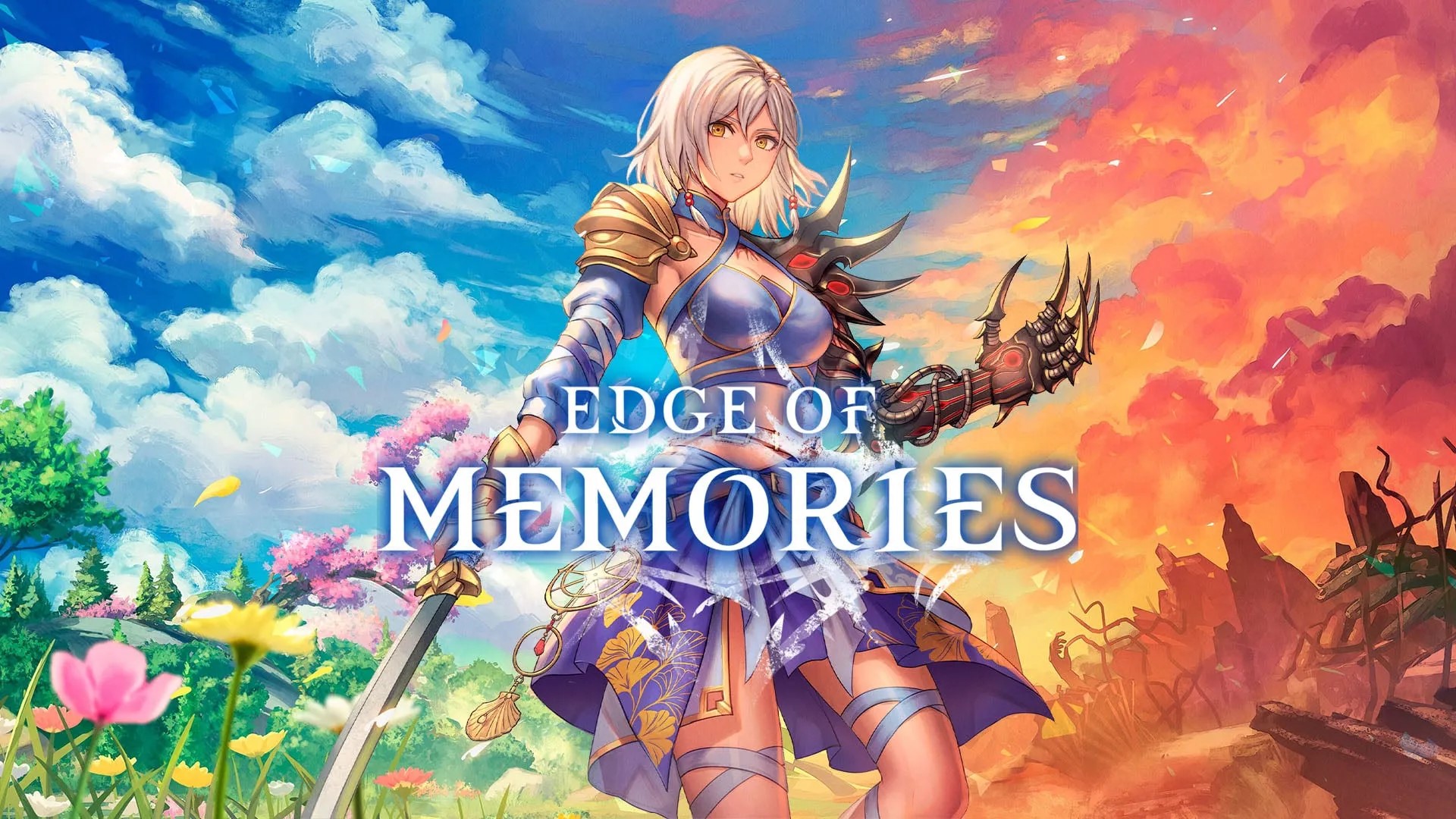
Enter Cédric Menendez, the maestro behind the Edge of Memories soundtrack. He’s not just another talking head. He’s in the trenches. And his take on generative AI is refreshingly, delightfully acid. He’s not buying the “AI as artist” narrative for a second. It’s a tool, sure, but a tool for what? Generating art? Please. It’s good for drafts, maybe. But the actual musical quality? Far from human brilliance. And vocals? Don’t even get him started. The man’s seen the future, and it’s tinny.
“I believe that viewing AI as a tool is a positive thing, but not as a tool for generating art. While it might be useful for rough drafts, the musical quality is still far, far behind that of real composers. And when it comes to vocalists, it’s even worse, in my opinion,” Cédric Menendez said. “I think people will soon move past this ‘AI hype.’ AI is simply a means for certain individuals to maximize profits by removing humans from the creative process, but it makes no sense. Art cannot exist without humanity.”
He nails it. The “AI hype” isn’t about innovation; it’s about profit. Pure and simple. Cutting out the messy, inconvenient, human element to boost the bottom line. It’s a cynical, hollow pursuit. And as Menendez rightly points out, art requires humanity. It’s the lived experience, the pain, the joy, the sheer, unadulterated human condition that fuels creation. AI can mimic patterns. It can stitch together existing data. But it cannot feel. It cannot bleed. It cannot truly create.
Is AI Truly a Threat to Musicians?
As a hobbyist musician myself—and trust me, the distinction is important—I find myself nodding vigorously. AI can be a helpful cog in the machinery of creation. It can churn through variations, offer starting points, iron out technicalities. But it can’t replace the spark. The intuition. The emotional core that only a human can inject. The industry needs to wake up. This isn’t just about protecting jobs; it’s about preserving the soul of art. We’re on the precipice of a homogenized wasteland of mediocrity, and the current hype machine is accelerating us toward it at breakneck speed.
The full interview is apparently dropping soon. I’ll be reading it. Because in an industry increasingly obsessed with efficiency over excellence, with algorithms over artistry, voices like Menendez’s are more valuable than ever. They’re a crucial reminder of what we stand to lose.
**
🧬 Related Insights
- Read more: 2025’s Semiconductor Odyssey: Diamonds in Chips, Stamped Silicon, and the CHIPS Act Implosion
- Read more: Tides of Annihilation: NVIDIA & Epic Fix Frame Drops
Frequently Asked Questions**
What is generative AI in music?
Generative AI in music refers to artificial intelligence systems that can create new musical content, such as melodies, harmonies, rhythms, and even full songs, often based on existing data or prompts.
Will AI replace human composers?
According to Cédric Menendez and many others, AI can be a useful tool for composers, but it cannot replace the human element of creativity, emotion, and lived experience essential for true art.
Why is AI being used for art generation?
AI is being used for art generation primarily by individuals or companies seeking to maximize profits by reducing the cost and time associated with human creation, potentially by automating or replacing human artists in the creative process.