This isn’t just about semiconductor jargon; it’s about what happens when the gears of global manufacturing shift and how it’ll ripple into our wallets and the gadgets we can’t live without.
We’re talking about a potential cliff-dive in the cost of memory chips – the very lifeblood of everything from your gaming PC to the AI servers powering tomorrow’s innovations. Imagine the current 414% surge in DDR5 prices evaporating like morning mist within 12 months. That’s the audacious prediction from Kye-hyun Kyung, a figure who knows the ins and outs of chipmaking as well as anyone, having advised Samsung Electronics and previously helmed its critical Device Solutions group. His forecast hinges on a massive, almost audacious, investment wave from China into DRAM production. If it pays off, the market could be drowning in supply, forcing prices to tumble.
Is China’s DRAM Ambition a Real Threat?
The memory chip market has been a rollercoaster lately, largely fueled by the insatiable hunger of the artificial intelligence boom. High-bandwidth memory (HBM) is the star player here, essential for those cutting-edge AI accelerators. But the ripple effect? It’s been felt across the board. Production capacity, once dedicated to standard memory like DDR5, has been reallocated, squeezing supply and sending prices into orbit. We’ve seen DDR5 chip prices jump by a staggering 414% in markets like Germany compared to mid-2023. Even PC giants like Apple and Dell have been scrambling, buying up inventory preemptively to cushion the blow to their own products. It’s a classic case of supply-demand dynamics gone wild.
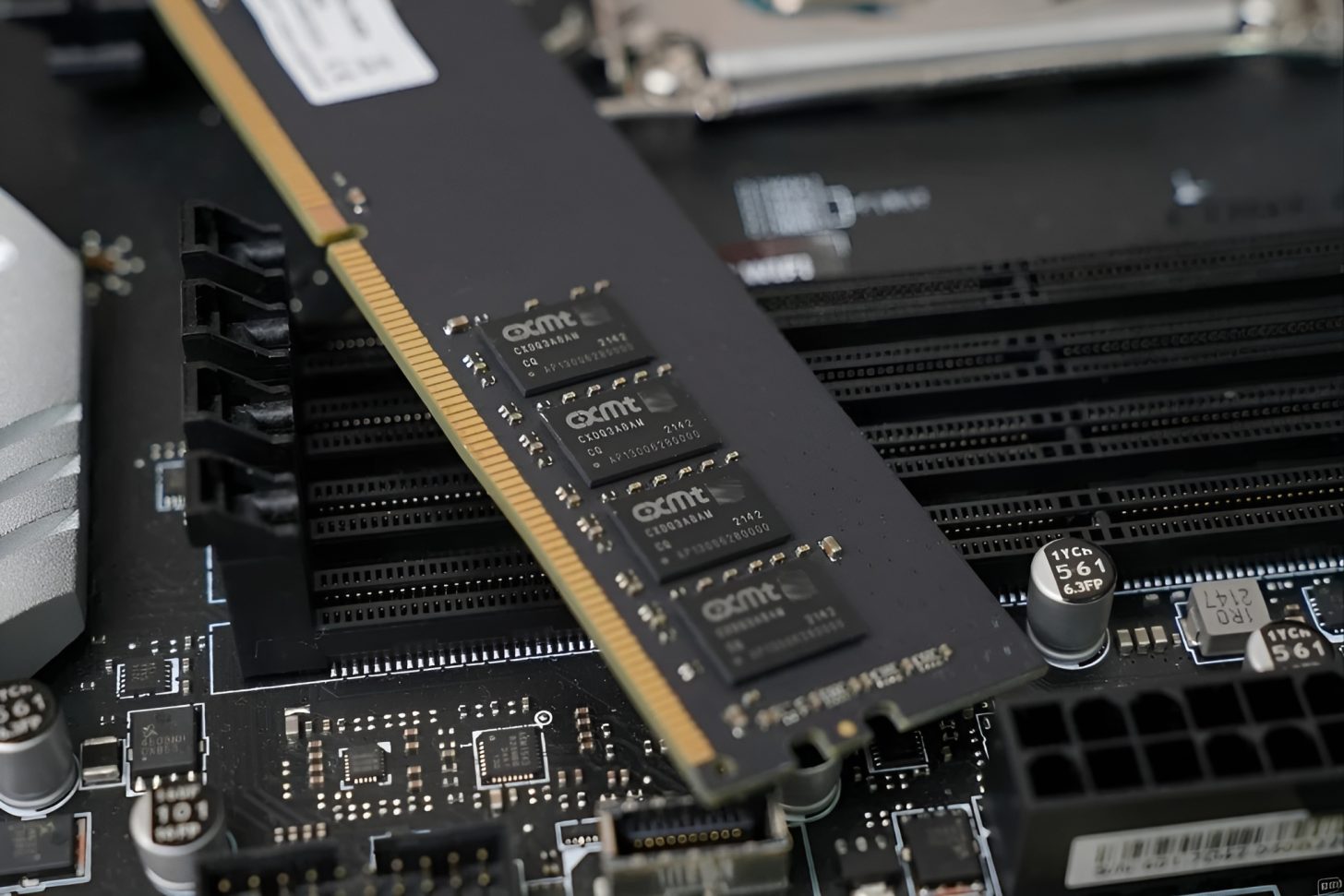
But here’s the twist, the truly fascinating part that Kyung is pointing to: China is not playing coy. They’re going all-in on DRAM manufacturing. ChangXin Memory Technologies (CXMT) is reportedly leading this charge, with other players like Jiahe Jinwei also making waves. Kyung’s analysis, drawing from market research, suggests a potential production capacity of six million wafers per month by the second half of 2027. This isn’t just a modest increase; it’s a potential tidal wave of chips, capable of reshaping the entire global market. It’s like watching a massive dam being built, ready to unleash its stored potential.
Will Prices Actually Plummet?
Kyung’s optimism, however, comes with a hefty dose of real-world caution. The massive capital expenditure required for these new fabs is intrinsically linked to the returns seen by the tech giants investing in AI. If those mega-cap companies suddenly find their AI investment returns drying up – perhaps due to market saturation or unexpected technological roadblocks – the incentive to push forward with massive memory production could evaporate. It’s a delicate ecosystem. The massive influx of capital hinges on the continued golden goose of AI growth. If that golden goose starts looking a little peckish, the whole feeding frenzy could slow down. This makes the timeline—a potential price drop in the latter half of next year—a forecast, not a guarantee.
His call for Korean companies to bolster their presence in the fabless sector is another crucial piece of the puzzle. It’s a geopolitical chess match, with the US and China constantly jostling for dominance. For South Korea, staying competitive means more than just manufacturing; it’s about innovating and designing the next generation of chips. It’s about not just making the bricks, but also designing the blueprints for the skyscrapers of the future.
This situation underscores a fundamental truth about the tech industry: cycles are relentless. What seems like an unbreakable price surge today can, with the right confluence of investment and market shifts, flip on its head with surprising speed. The era of AI demand has driven prices sky-high, creating an environment ripe for massive capacity expansion. China’s gambit could be the catalyst that brings those prices crashing back down, much to the relief of consumers and businesses alike. It’s a bold move, one that could redefine the memory market as we know it.
“Speaking at the 285th National Academy of Engineering of Korea (NAEK) Forum, the former executive remarked that Chinese companies are investing aggressively to boost their memory chip production. According to him, if these investments are successful and lead to an increase in output, then the surge in supply could cause prices to fall a year from now in the second half of next year.”
It’s a powerful statement, highlighting the direct correlation between production capacity and market price. The sheer scale of China’s planned investment is the critical variable here. If they succeed in bringing significant new fabs online, the market will have no choice but to react. This isn’t just about a few percentage points; it’s about a potentially fundamental reset of memory chip economics. The potential for oversupply is real, and if it materializes, the current price spikes will look like a distant memory (pun intended).
🧬 Related Insights
- Read more: NVIDIA Unlocks GPU Slicing for Kubernetes — But Who’s Really Winning?
- Read more: ASUS ROG SCAR 18: Is 240Hz Mini LED the New Gaming Standard?
Frequently Asked Questions
What does China’s DRAM expansion mean for consumers? It could mean significantly lower prices for devices that rely on DRAM, such as computers, smartphones, and gaming consoles, once any potential oversupply hits the market.
Will this expansion impact AI chip development? Potentially. While the focus is on DRAM, increased production capacity could eventually lead to more competitive pricing for components used in AI infrastructure, though specialized AI accelerators (like HBM) might remain distinct markets.
Is this a guarantee that prices will fall next year? No, it’s a forecast. The outcome depends heavily on the success of China’s investments and the continued demand from the AI sector. If AI demand falters or production hitches occur, prices might not fall as predicted.