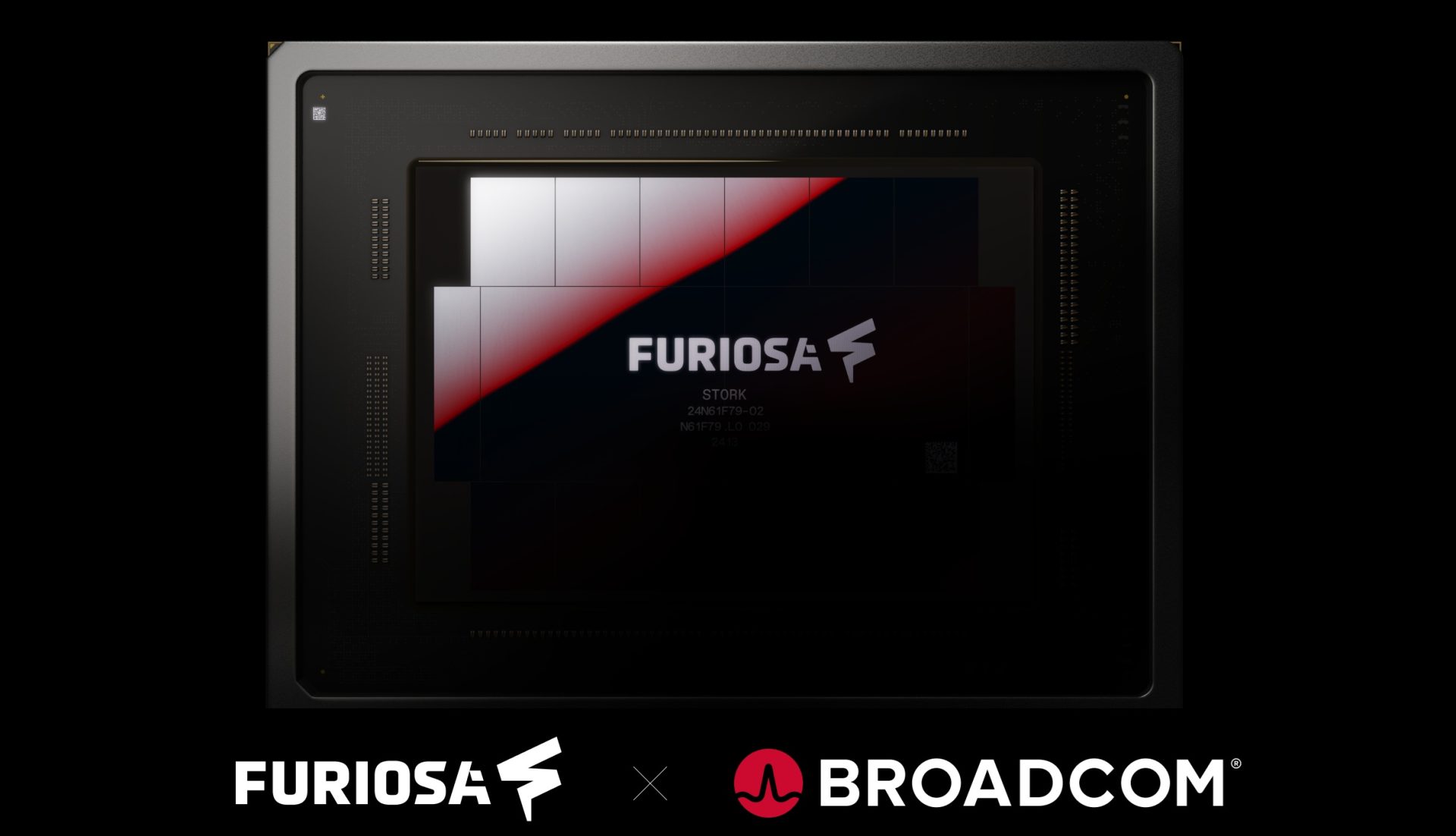
Look, another chip announcement. This time it’s FuriosaAI, and they’re not even trying to play the same game as NVIDIA or AMD. They’ve teamed up with Broadcom, and the gist is this: a 2nm inference chip. Sounds fancy, right? But what does it actually mean beyond the glossy PR slides and the inevitable buzzwords? This isn’t some incremental update; they’re talking about ditching the GPU playbook entirely for AI inference.
Forget those massive GPUs crammed into servers. FuriosaAI’s third-generation accelerator, set to sample in early 2028, is all about raw inference power, specifically for those gnarly LLM and Agentic AI workloads that are gobbling up compute like it’s going out of style. They’re not just slapping more cores on a die; they’re talking about a 2nm chiplet architecture, paired with HBM4/E memory. That’s the good stuff, the next-generation memory that promises insane bandwidth. And who’s building this marvel? Broadcom, a name that usually conjures up networking gear, not AI chips, but they’ve got the advanced packaging chops to put it all together.
The Bandwidth Play: Is It Enough?
The big claim here, the one that’ll make GPU vendors twitch, is that this new chip will offer higher performance-per-watt and greater token density than even the most efficient GPUs. FuriosaAI’s CEO, June Paik, is practically shouting it from the rooftops. He’s saying their focus on bandwidth, rather than what he dismisses as the “thread management” overhead of GPUs, is the secret sauce. It’s a bold statement, especially considering how entrenched GPUs are in the AI landscape.
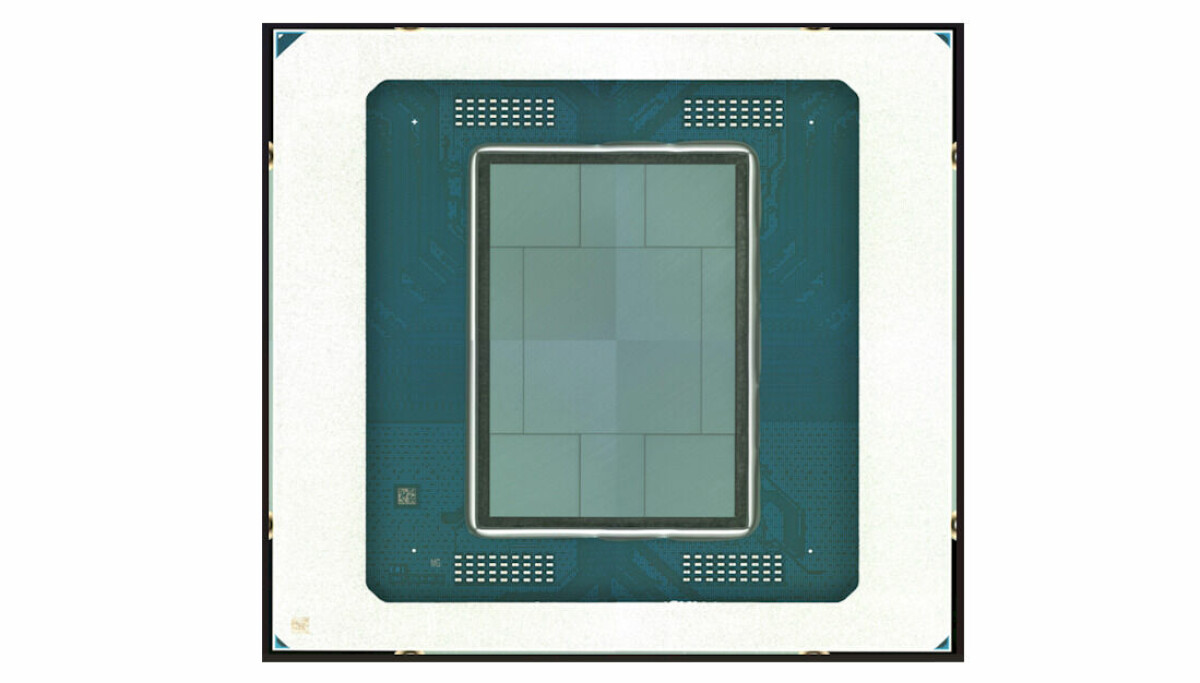
What’s really interesting to me, after two decades of watching this circus, is the sheer audacity. They’re not just competing; they’re trying to redefine the competitive landscape for AI inference hardware. They’re showing off a chiplet design with two massive 2nm compute dies and, crucially, 12 HBM4/E memory sites. If those are 36GB modules, that’s over 432GB of memory. That’s not pocket change. This isn’t your average accelerator; this is built for the “token factory era,” as Paik so aptly put it.
Bringing together Broadcom’s infrastructure capabilities and Furiosa’s Tensor Contraction Processor architecture and its industry-defining software stack allows us to move beyond the chip level and deliver a comprehensive solution for the token factory era.
This quote from Paik is telling. It’s not just about the silicon; it’s about the whole ecosystem. They’re touting a software stack that claims to map PyTorch code directly to silicon, promising quick deployment and meeting those all-important throughput and latency demands. For developers tired of wrestling with CUDA, this sounds like a potential olive branch, albeit one that requires a significant leap of faith towards a new architecture. Their Virtual ISA sounds like an attempt to offer hardware control without the GPU programmer’s traditional headache.
So, Who’s Actually Making Money Here?
This is the question that always hangs in the air. FuriosaAI is betting big on inference. It’s a smart bet, considering the tsunami of AI applications hitting the market, but it’s also a crowded space. Broadcom, of course, stands to gain by providing its manufacturing and packaging expertise, likely securing a lucrative partnership. Samsung SDS and LG AI Research are already on board with their current-gen chips, which is a good sign, but scaling up to this next-gen beast is a different animal entirely.
The real question is whether this 2nm architecture, with its heavy reliance on HBM4/E and chiplets, can truly deliver on its promises and dislodge the incumbent GPU behemoths. We’ve seen ambitious chip designs before fizzle out. The proof, as they say, will be in the silicon. But if FuriosaAI and Broadcom can pull this off, it might just force a major rethink of how we build and deploy AI infrastructure for the future.
It’s a long shot, maybe, but one that’s definitely worth watching. The AI hardware game is far from over, and this could be a significant shake-up. I’ll be keeping an eye on those sampling dates in 2028. That’s when the real story begins.
🧬 Related Insights
- Read more: AMD Parts Deal: RX 9070 XT Slashed Below MSRP [Analysis]
- Read more: Synopsys Nails HBM4 Silicon Link-Up — But Who’s Cashing In First?
Frequently Asked Questions
What does FuriosaAI’s new chip do? FuriosaAI’s third-generation AI accelerator is designed specifically for AI inference workloads, aiming to provide higher performance and efficiency for tasks like LLM processing.
Will this replace NVIDIA GPUs? It’s aiming to offer an alternative for AI inference, particularly for large-scale deployments, but whether it ‘replaces’ GPUs across the board remains to be seen. GPUs still dominate training and a broader range of AI tasks.
When can I buy this chip? Sampling for the third-generation FuriosaAI accelerator is expected to begin in the first half of 2028, with mass production following.