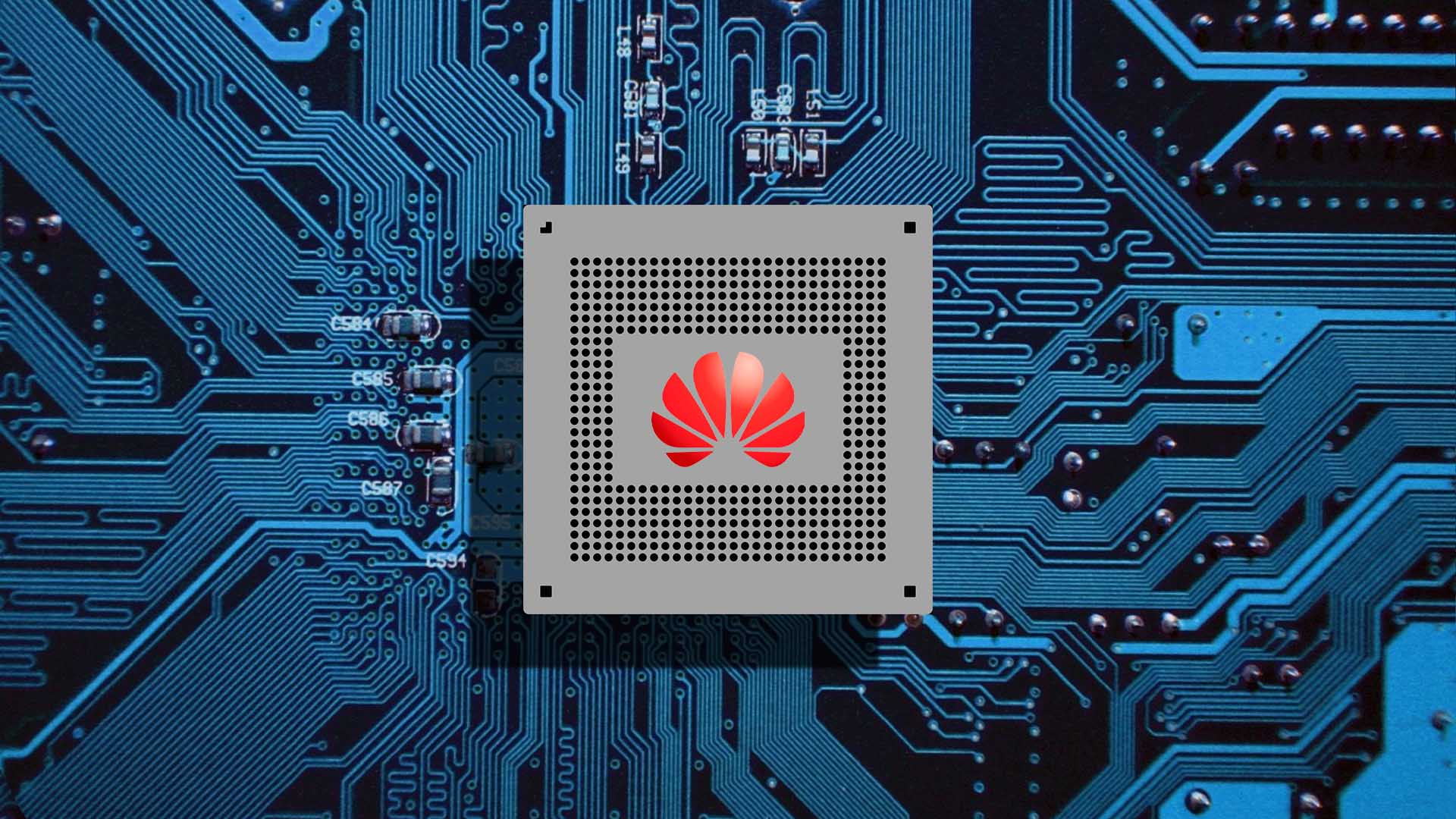
Can a company truly leapfrog decades of specialized industrial development by sheer force of will—or perhaps, by cunningly circumventing international trade restrictions? That’s the tantalizing, and frankly, staggering question Huawei is daring us to ask with its latest pronouncement: a claimed intention to produce chips at a process node equivalent to TSMC’s vaunted 1.4nm by 2031.
It’s a statement that lands with the subtle grace of a falling anvil in the high-stakes world of semiconductor manufacturing. The US sanctions, designed to choke Huawei’s access to cutting-edge global technology, seem to have instead acted as a catalyst for an almost defiant display of domestic ambition. He Tingbo, a Huawei executive, dropped this bombshell alongside news of their ‘LogicFolding Design’ technology, slated for a Kirin chipset this year. But the 1.4nm claim, seven years from now, is the real story here.
Here’s the thing: achieving 1.4nm lithography isn’t just a slightly smaller transistor. It’s a paradigm shift, a monumental leap that relies on extremely specialized, astronomically expensive equipment. We’re talking about ASML’s High-NA Extreme Ultraviolet (EUV) lithography machines, each costing hundreds of millions of dollars. TSMC, the current titan, is investing tens of billions—$49 billion, the report suggests—just to lay the groundwork for its own 1.4nm production by 2028, and even that might be without the absolute bleeding edge of High-NA EUV.
And therein lies the rub for Huawei. The US ban explicitly prohibits American firms from doing business with Huawei, and critically, it extends to companies like ASML that rely on US technology. So, how does Huawei plan to acquire the very tools that enable this next generation of chipmaking? The company’s announcement offers little in the way of concrete engineering blueprints, just a stated intention. This isn’t unlike promising to build a skyscraper without mentioning steel or concrete.
Is China Building Its Own EUV Machine?
The narrative Huawei is pushing hinges on the hope that China can develop its own EUV machinery. Reports from last year hinted at trial production for Chinese EUV equipment potentially kicking off in Q3 2025. This is, to put it mildly, a Hail Mary. Developing such sophisticated technology from scratch, especially when it took decades and billions from global giants, is an almost unfathomable undertaking. It’s the equivalent of a nation deciding it will build its own fusion reactor by next Tuesday.
Another potential avenue is through domestic companies like SiCarrier, reportedly working on alternatives to ASML’s EUV equipment. SiCarrier was said to be seeking significant funding, but updates on their progress have been conspicuously absent. If Huawei is betting its future on the success of these nascent domestic efforts, it’s a gamble of epic proportions. They’re placing a very large chip on the table, and it’s not clear if they have the winning hand.
The audacity of Huawei’s announcement is undeniable. But we’ve seen this movie before. Tech companies, especially those under pressure, often inflate their roadmaps and project future capabilities that are, at best, highly speculative. The gulf between claiming a 1.4nm equivalent and actually achieving mass production is vast, a chasm filled with scientific hurdles, engineering complexities, and the unforgiving realities of physics.
While Huawei’s drive for self-sufficiency is a powerful geopolitical narrative, particularly in the context of the ongoing trade war, we must temper enthusiasm with a healthy dose of skepticism. The ambition is there, certainly. But the ‘how’ remains shrouded in mystery, making this pronouncement feel less like a detailed technical roadmap and more like a defiant statement of intent, a whisper of possibility in the face of international blockade.
What Happens if Huawei Fails?
If Huawei doesn’t achieve its 1.4nm goal by 2031, it doesn’t necessarily mean the end of their chip endeavors. They will likely continue to rely on less advanced, but still capable, manufacturing processes from domestic foundries. This could mean their flagship devices might lag behind competitors in raw performance for a longer period, but their ecosystem strategy could still maintain relevance. The real damage would be to their reputation as an industry leader in chip innovation, a status they’ve fought so hard to reclaim.
What this does signal, however, is the broader trend. China is doubling down on its quest for semiconductor independence, pouring resources into domestic R&D and manufacturing. Whether Huawei hits its 1.4nm target or not, the underlying effort to reduce reliance on foreign technology will continue, with or without ASML’s gleaming EUV machines. This is the long game, and Huawei’s announcement, however ambitious, is a clear marker on that board.
**
🧬 Related Insights
- Read more: China’s CPU-Only Supercomputer Shakes Up AI Race
- Read more: VMware Arm Hypervisor: A Strategic Gamble?
Frequently Asked Questions**
What does Huawei’s 1.4nm claim mean? It means Huawei aims to produce chips with a manufacturing process comparable to TSMC’s most advanced upcoming technology by 2031, suggesting a significant advancement in their domestic chip capabilities despite US sanctions.
Can Huawei really achieve 1.4nm without ASML? It’s highly unlikely to achieve cutting-edge lithography without advanced equipment like ASML’s EUV machines. Huawei’s claim relies on the development of domestic alternatives or the possibility of acquiring such technology through indirect means.
Will this affect global chip supply chains? If successful, it could reduce Huawei’s reliance on foreign suppliers and potentially create a more competitive landscape. However, the timeline and feasibility make a major immediate impact on global supply chains uncertain.