Look, we’re all supposed to be breathless about Intel’s next big thing, aren’t we? For months, the whispers have been about Arrow Lake, the incremental step, the ‘good enough’ upgrade for your gaming rig or that suspiciously quiet workstation.
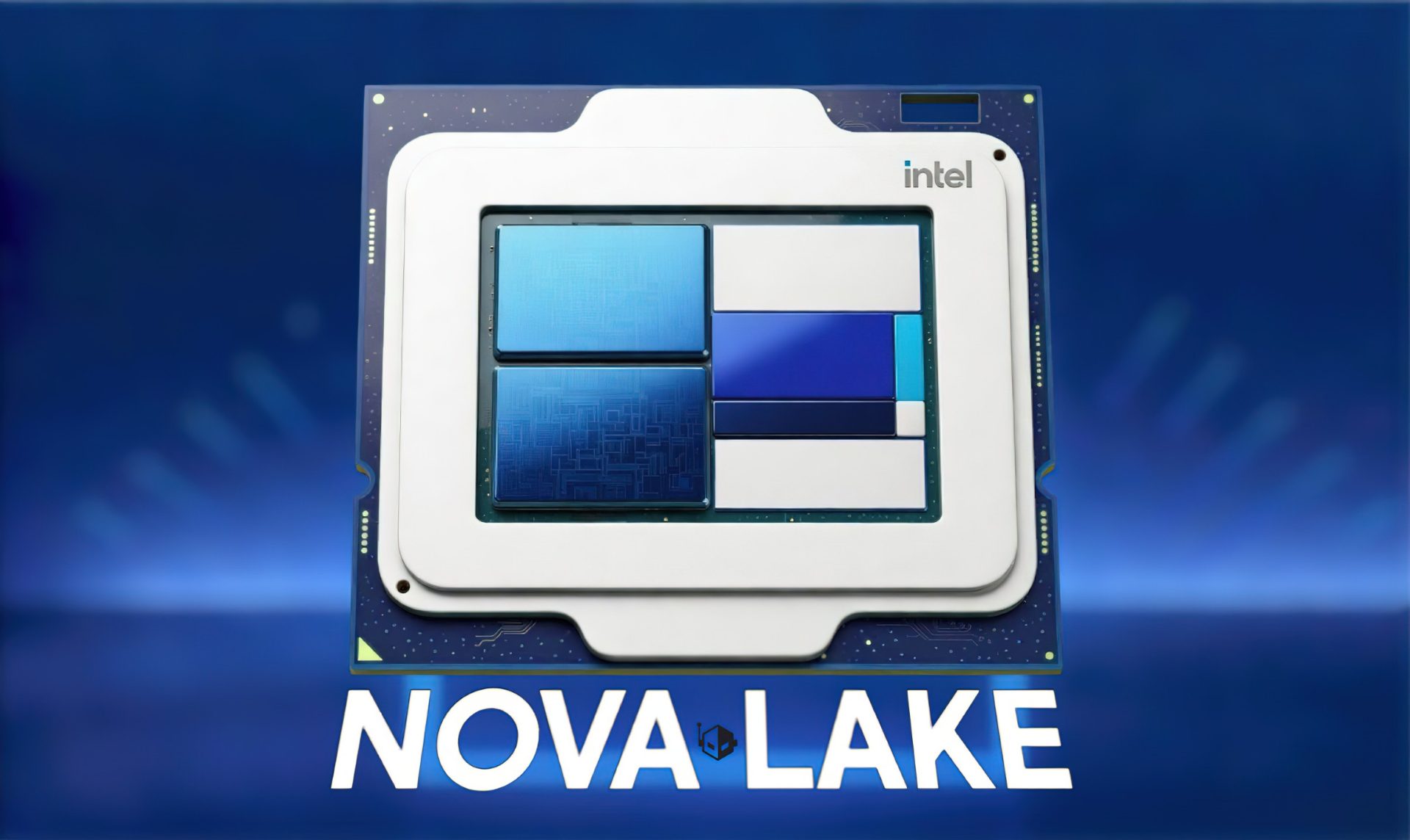
But now? Now we’ve got ‘Nova Lake.’ And the rumor mill, which frankly is usually choked with more marketing fluff than a Kardashian’s Instagram feed, is churning out some wild numbers. We’re talking up to a massive 2x multi-core performance boost and a respectable 20% single-core lick. That, my friends, is not just a step; it’s a serious shove.
What was everyone expecting? A refined version of what we have. A few more cores, slightly faster clock speeds, maybe a new feature buried in the marketing brochure that only a handful of enthusiasts will ever use. It’s the predictable rhythm of the chip world – iterate, improve, sell. But this Nova Lake talk… this could actually shake things up.
Who’s Actually Making Money Here?
That’s always the million-dollar question, isn’t it? Intel, obviously, wants to sell more chips. They’ve been having a bit of a tough time lately, playing catch-up with AMD’s consistently strong Ryzen offerings and battling the relentless march of ARM in other sectors. A performance jump like this isn’t just about bragging rights; it’s about market share, about justifying those R&D budgets and keeping the stock price from looking like a flatlined EKG.
And then there are the PC builders, the gamers, the professionals who need more power. They’re the ones who will eventually foot the bill. Will this massive performance gain translate into a price hike that makes you wince? Probably. But the allure of double the cores and 20% faster single-core speed is a powerful siren song for anyone pushing their hardware to the limit.
The Spec Sheet Looks… Ambitious
Let’s talk brass tacks, or rather, silicon specs. The report, from a place called SiliconFly (ever heard of ‘em? Me neither, but hey, everyone starts somewhere), suggests engineering samples are already out the door. These aren’t final products, mind you. They’re the early, often buggy, prototypes that engineers beat on to find the weak spots. But they’re also where you get the first whiff of real potential.
We’re looking at configurations that could push up to 52 cores. FIFTY-TWO. Contrast that with the Arrow Lake-S, which was topping out at a comparatively quaint 24 cores. That’s not an upgrade; that’s a whole new ballgame. This jump is attributed to Intel’s new Coyote Cove P-Core and Arctic Wolf E-Core architectures, plus some optimizations with bLLC, AVX10.2, and APX. Fancy acronyms, sure, but the end goal is simple: make the chip think faster and do more at once.
And the cache? Up to a staggering 288MB on the dual-tile models. This is Intel clearly taking a page from AMD’s playbook with their X3D chips. More cache can mean a smoother ride, especially for games that love to hoard data. If they can nail this, it’s a direct shot at AMD’s gaming crown, which has been firmly on their head for a while now.
“On the multi-core side, Nova Lake CPUs are expected to double the performance over Arrow Lake, which is expected since you are looking at almost double the core count from the current 24-core ARL-S variants to the 52-core NVL-S variants.”
This quote is the headline, isn’t it? It’s also the part I’m most skeptical about. Doubling performance is a lot. It implies a fundamental architectural shift, not just more grunt. We’ll see.
A New Socket and a Thirst for Power
So, if you’re thinking about upgrading your rig to accommodate Nova Lake, start clearing out some desk space. These beasts will sit on a new LGA 1954 socket, paired with Intel’s 900-series chipsets, like the flagship Z990. And yes, you’ll likely need a beefier power supply. The reported maximum power draw is… eye-watering. We’re talking potentially ~700W for the dual-tile models. My electricity bill just had a minor existential crisis.
DDR5 memory support is also getting a boost, with talk of CUDIMM and CQDIMM standards to push frequencies even higher. Faster RAM? More cores? It’s a feeding frenzy for performance.
Is This the End of the Competition?
Don’t start writing eulogies for AMD just yet. They’re not exactly sitting still. Zen 6 is on the horizon, and word is it’s bringing its own set of goodies, including up to 24 cores, platform upgrades, and of course, more 3D V-Cache magic. The desktop space is shaping up to be a real slugfest.
Intel had a rough patch, sure. AMD came in and basically owned the performance narrative for a while. But Intel’s latest offerings, like the Core Ultra 200S Plus, have shown they’re fighting back. The big test for Nova Lake will be whether it can not only match AMD’s gaming performance and efficiency but surpass it. That’s the real mountain to climb.
We’re looking at a launch sometime in the second half of 2026. Computex is coming up, which is often where we get our first peek at upcoming hardware. Keep your eyes peeled. If these Nova Lake numbers hold up, the next couple of years in PC hardware are going to be anything but boring.
What Does Intel Nova Lake Mean for My Current PC?
For your current PC, not much in the immediate sense. Nova Lake is slated for a 2H 2026 launch, meaning it’s still over two years away. It represents the next generation of high-performance desktop CPUs from Intel. If you’re looking for an upgrade now, you’d focus on current or upcoming releases like Arrow Lake.
Will Nova Lake’s Performance Jump Kill My Wallet?
That’s the big unknown. Historically, significant performance leaps often come with a price premium. However, with strong competition from AMD, Intel may be incentivized to price competitively to win market share. We’ll need to see actual retail pricing closer to launch.
How Does Nova Lake Compare to AMD Zen 6?
It’s too early for a direct comparison as both are still in development. However, Intel’s Nova Lake is rumored to offer up to 52 cores with substantial single-core gains, while AMD’s Zen 6 is expected to feature up to 24 cores with significant architectural improvements and 3D V-Cache enhancements. The competition is expected to be fierce.