The glow of a laptop screen, illuminating a user’s face as they scroll through news—a mundane scene, until you realize the silicon powering that experience might be a harbinger of a seismic shift.
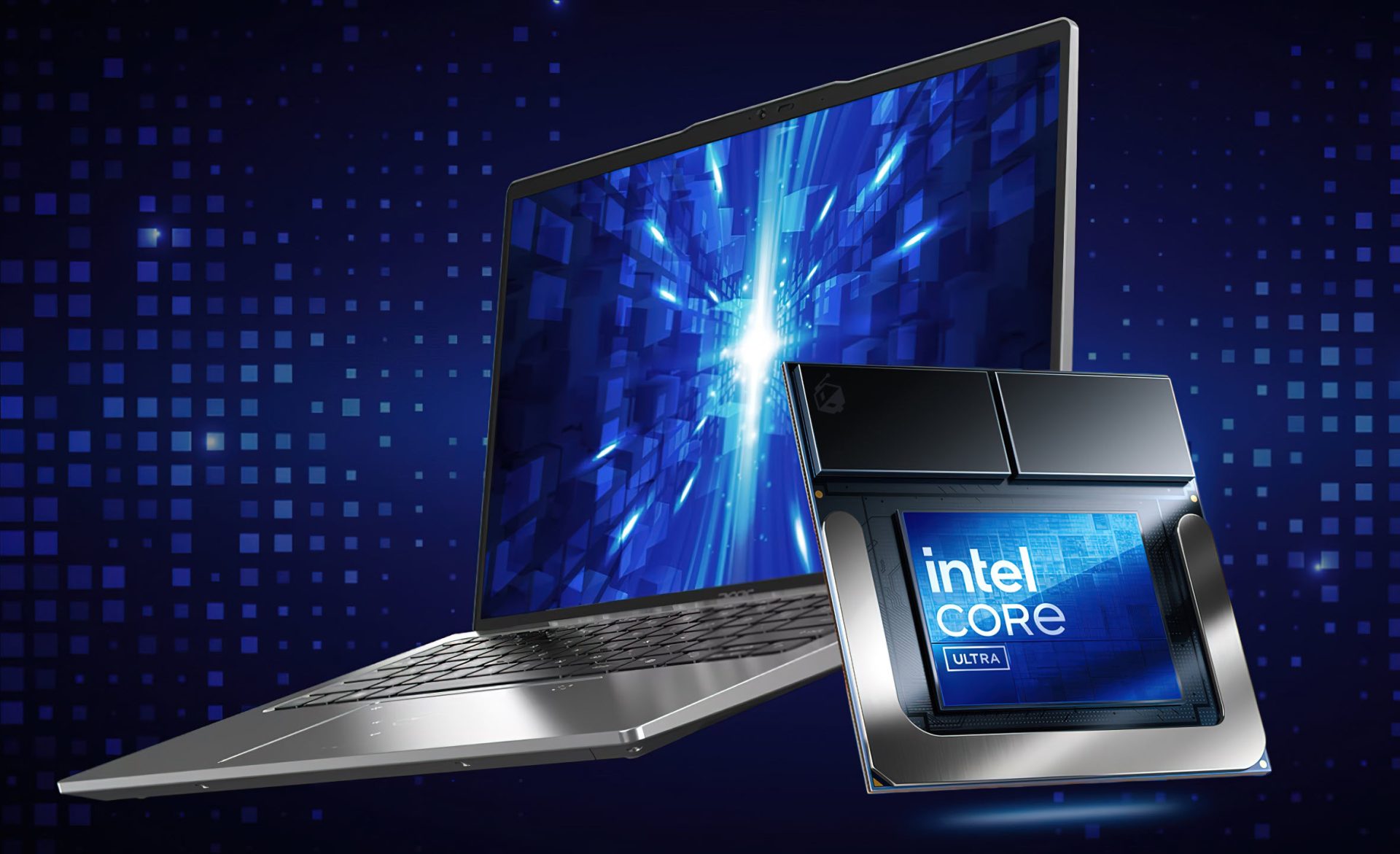
Look, the way I see it, Intel’s recent tumble in the Chinese market isn’t just a pricing blip; it’s a flashing neon sign pointing to the fundamental platform shift AI represents. We’re talking about a world where processing power isn’t just about raw speed anymore; it’s about intelligent execution, about an AI co-pilot embedded at the silicon level, whispering suggestions and handling tasks before you even consciously think them. And when Intel’s premium Lunar Lake chips—designed for lightweight, long-battery-life machines—start appearing for less than their supposed budget-tier Wildcat Lake counterparts, well, that’s not just a price cut; that’s a market re-calibration happening at warp speed.
It’s almost laughable. We’ve been told Lunar Lake is the successor, the more refined offering, the one bringing eight cores and those fancy long battery life promises, aimed squarely at the premium, lightweight devices. Wildcat Lake, on the other hand, was the budget warrior, the 5-6 core chip for entry-level machines. And yet, here we are, with Lunar Lake-based laptops like the Mechrevo 16S 2026, rocking a Core Ultra 5 226V, hitting a staggering 4,099 Yuan—that’s roughly US$600. This is the same price bracket we were seeing for the Wildcat Lake models, which had an MSRP of $645! It’s like buying a steak dinner and getting a caviar appetizer thrown in for free.
Why Is This Happening?
The narrative Intel likely wants us to buy into is simple market competition, perhaps a bit of end-of-quarter salesmanship. But the implications run far deeper. For years, we’ve been on a performance treadmill, chasing ever-higher clock speeds and core counts for traditional computing tasks. AI, however, is a different beast. It thrives not just on brute force, but on specialized silicon – NPUs (Neural Processing Units) – and efficient architecture. Lunar Lake, with its 8-core setup and presumably more AI-tuned integrated graphics and NPU performance (even if the Xe2 cores are branded as Arc 130V), is fundamentally designed to handle these new AI workloads. The fact that it’s being dumped into the budget segment suggests either an overestimation of its premium appeal, a desperate need to move inventory, or a strategic decision to seed the market with AI-capable hardware at an unprecedentedly low entry point.
The Mechrevo 16S 2026, for instance, isn’t just a cheap laptop with a fancy name. It’s packing 16 GB of RAM and a 512 GB SSD – configurations that were considered quite respectable even a year or two ago for mid-range machines, let alone budget ones. And let’s not forget the display: often a key differentiator. This Mechrevo boasts a resolution potentially up to 2.5K and a refresh rate double that of some competitors in this price bracket. This isn’t the typical compromise we expect from a sub-$700 laptop, especially one powered by what was supposed to be a more premium chip family.
This isn’t just about Intel cutting prices; it’s about the commoditization of AI-ready hardware. Think of it like the transition from early, bulky PCs to the sleek smartphones we carry today. AI isn’t just an add-on anymore; it’s becoming the platform. And when the hardware that enables it becomes this accessible, this affordable, the pace of innovation and adoption accelerates exponentially. We’re essentially looking at the democratization of AI computing, and Intel, for whatever reason, is kicking down the door.
My unique insight here? This price war isn’t a sign of Intel’s weakness as much as it is a bold, albeit perhaps chaotic, bet on the future. By flooding the market with AI-capable Lunar Lake chips at bargain-basement prices, Intel is essentially forcing developers and consumers alike to engage with AI-native computing. They’re betting that once people experience AI-accelerated tasks on their everyday devices, the demand for more powerful AI hardware will skyrocket. It’s a bit like giving everyone a taste of a revolutionary new cuisine – even if it was initially intended for the Michelin-star crowd. They want you hooked.
This rapid descent in pricing also means the lines between performance tiers are blurring into oblivion. The core architecture difference, the minor clock speed variations—these are becoming less significant when the price of entry for a supposedly superior chip is now lower than that of its predecessor. The AI NPU is the new key differentiator. The question is, will the software ecosystem mature quickly enough to justify these early AI hardware investments across the board?
What Does This Mean for the Future of Laptops?
For consumers, especially in markets like China, this is a dream scenario. Access to modern, AI-capable hardware without breaking the bank. It means applications that can use those NPUs—from advanced photo and video editing to more intelligent system management and predictive text—will likely see wider adoption sooner than anticipated. Developers, on the other hand, have a green light to build more sophisticated AI-powered applications, knowing there’s a vast installed base of hardware ready to run them.
Intel’s move is a fascinating, if slightly bewildering, play. It’s a clear signal that AI isn’t just a feature for high-end workstations or servers anymore. It’s coming to every laptop, every desktop, and it’s doing so at a pace that’s frankly exhilarating. The future of personal computing just got a whole lot smarter—and a whole lot cheaper.
🧬 Related Insights
- Read more: UK Chip Founders: Swing for $1 Billion or Swing Home
- Read more: Chips Are Cooking Themselves—Time for Thermal Metrology to Catch Up
Frequently Asked Questions
What is Lunar Lake? Lunar Lake is Intel’s latest processor architecture designed for premium, lightweight laptops, emphasizing long battery life and integrated AI capabilities through its Neural Processing Unit (NPU).
Why are Lunar Lake laptops cheaper than Wildcat Lake ones in China? The exact reasons are complex, but it suggests aggressive pricing strategies by Intel or its partners in the Chinese market, possibly to drive adoption of AI-capable hardware or move inventory, leading to Lunar Lake chips being priced below their intended tier.
Will this price drop affect laptop prices globally? While China often serves as an early indicator and a unique market, significant price drops there can pressure manufacturers and competitors worldwide. It’s likely to influence pricing trends as AI hardware becomes more mainstream.