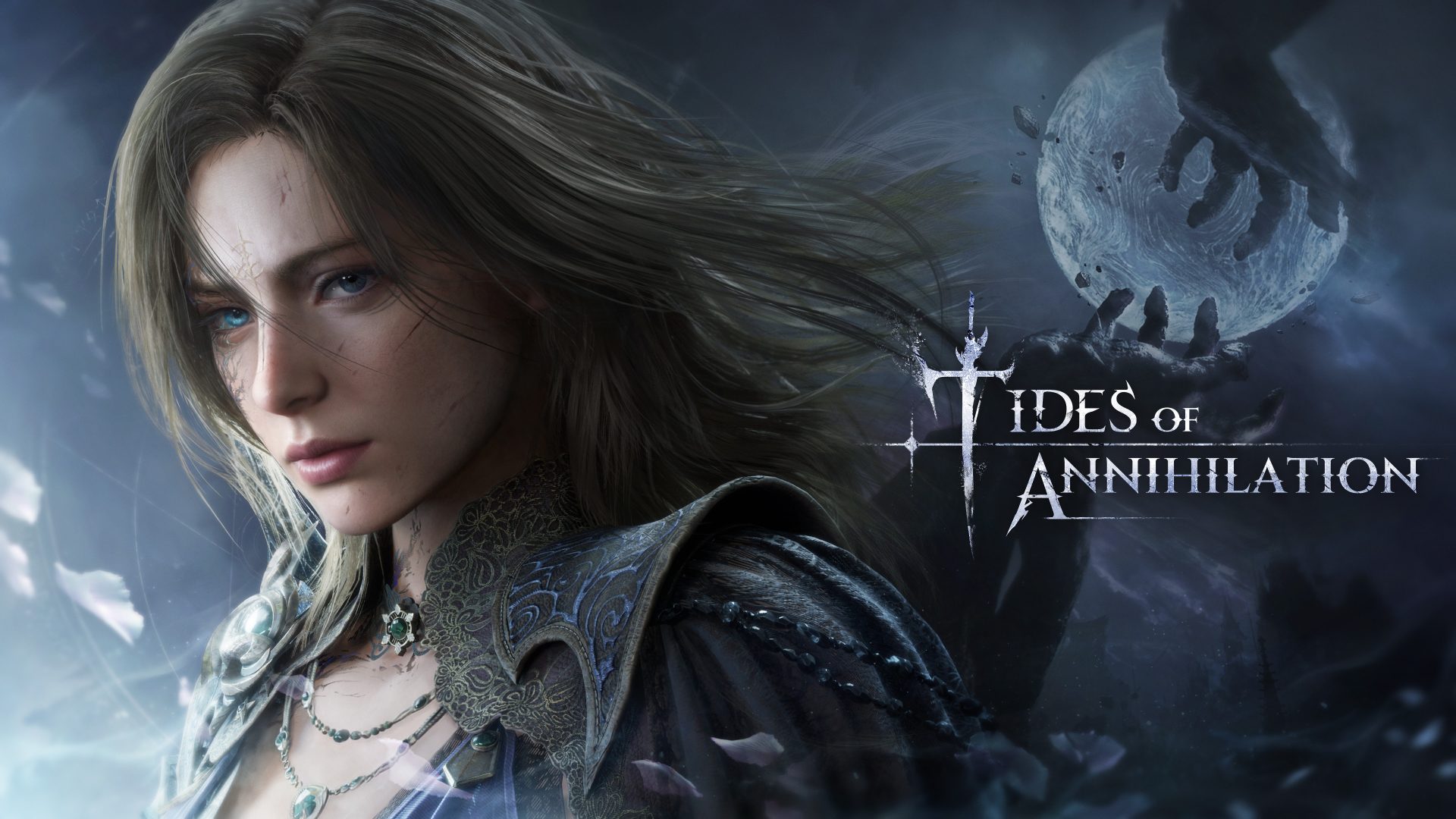
Here’s the thing about game development: polish isn’t an afterthought, it’s the bedrock. And when your ambitious fantasy action-adventure game, Tides of Annihilation, features colossal, climbable knights that bring your frame rate to its knees, that bedrock starts to look a little… shaky. This is exactly the predicament Eclipse Glow Games, the studio behind the title, found itself in. Footage of their upcoming game, heavily inspired by Arthurian legend and set in a post-apocalyptic London invaded by Avalon, clearly showed a significant performance hiccup during boss encounters, most notably against their titular Giant Knight.
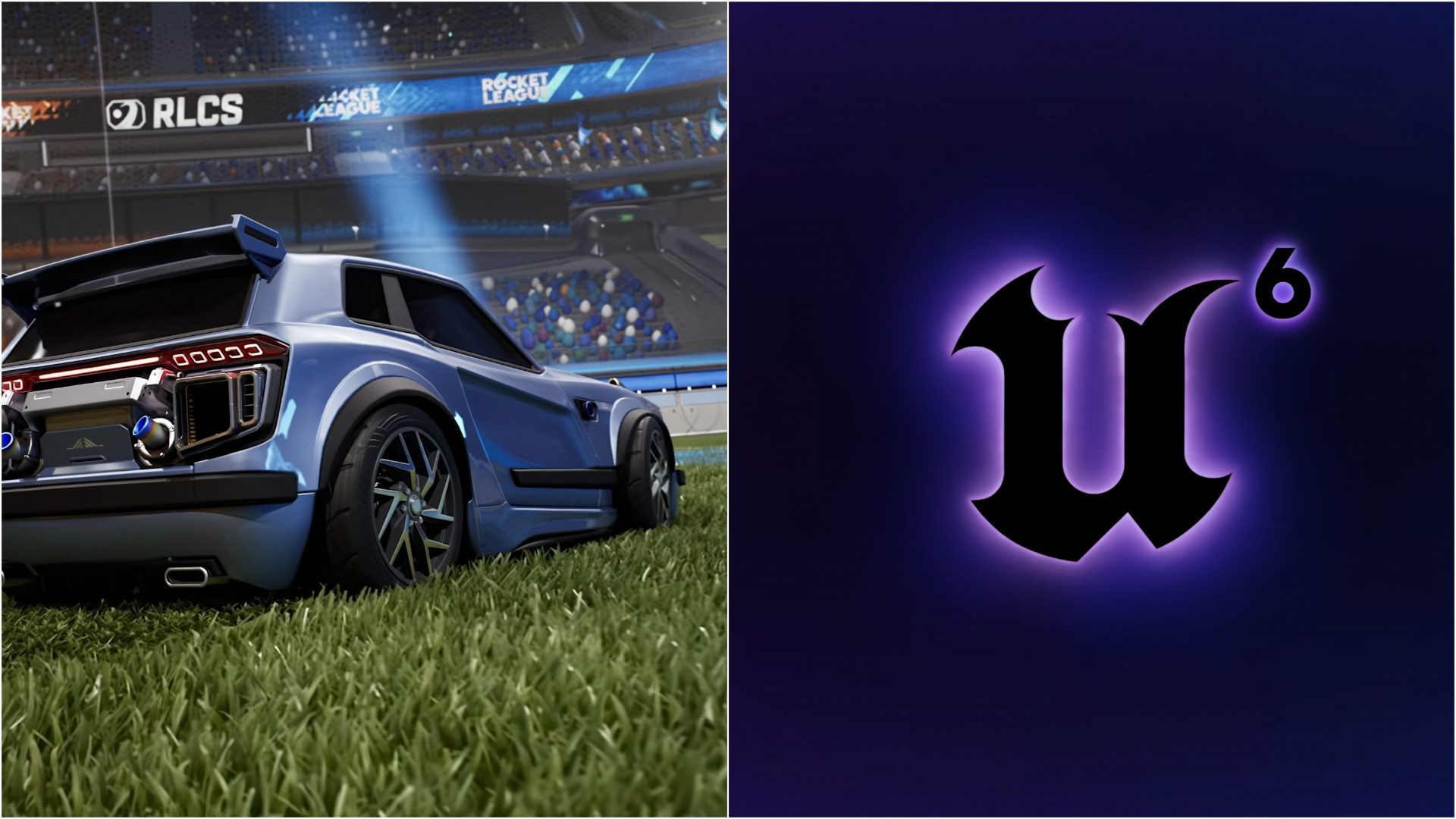
But rather than just push ahead, Eclipse Glow Games went deep. They’ve revealed a “deep technical partnership” with two titans of the industry: Epic Games, the architects of the Unreal Engine, and NVIDIA, the undisputed king of graphics hardware. This isn’t just about slapping on DLSS or ray tracing to mask the problem; this is about architectural intervention. The narrative here, unearthed from a technical deep-dive video, isn’t just about fixing a bug; it’s about how cutting-edge technology, when applied thoughtfully, can elevate a smaller studio’s vision.
The Nanite Gymnastics
The core of the frame drop issue, particularly with the Giant Knight, stemmed from its Nanite mesh. Nanite, Unreal Engine 5’s revolutionary virtualized geometry system, allows for “film-quality” assets without the traditional performance penalties. Or so the theory goes. For truly gargantuan entities like this knight, however, even Nanite can buckle under the strain. Epic Games, intimately familiar with its own engine’s inner workings, stepped in to architect a new hierarchical mounting solution for the Giant Knight’s Nanite mesh. Think of it like how an operating system manages incredibly complex data structures; instead of loading everything at once, it cleverly breaks down the knight into manageable, context-aware chunks. This allows the engine to focus rendering power only on what’s immediately visible and relevant, a critical optimization for such massive characters.
Epic’s involvement didn’t stop at the geometry. They performed a granular analysis of both CPU and GPU performance bottlenecks. This meant dissecting texture maps, the game’s logic, and animation systems, all with the singular goal of reducing computational overhead. It’s the kind of meticulous, often unseen, work that separates a good-looking game from one that actually plays well. Reducing those calculation costs directly translates to smoother gameplay, a fact that players will undoubtedly appreciate when the game’s hands-on demo drops this summer.
NVIDIA’s Driver’s Seat
NVIDIA’s contribution goes beyond the usual suspects of DLSS and path tracing, though those are certainly part of the equation for Tides of Annihilation. Their engineers are working with Eclipse Glow Games on something even more fundamental: joint optimizations at the driver level. This is where the silicon meets the software in the most intimate way. Driver optimizations can unlock performance gains that are otherwise impossible through game code alone. It suggests a level of collaboration that extends to NVIDIA’s core software stack, ensuring that the game can squeeze every last drop of potential from their hardware.
This partnership signals a potential shift. Traditionally, driver-level optimizations are reserved for AAA titles with massive budgets and long-standing relationships with hardware vendors. For a studio like Eclipse Glow Games to secure this kind of attention speaks volumes about the perceived potential of Tides of Annihilation and perhaps a strategic move by NVIDIA to cultivate future talent and showcase their platform’s capabilities. It’s a symbiotic relationship, one that benefits the game’s performance and highlights NVIDIA’s commitment to a smooth gaming experience across the board.
Why This Partnership Matters
We’re not just talking about a quick patch before a demo. This is a proof to the evolving collaborative ecosystem in game development. When smaller studios can tap into the deep technical expertise of industry giants like Epic and NVIDIA, the entire gaming landscape benefits. The Dual Frontline Battle System, where players control Gwendolyn alongside up to four spectral Knights of the Round Table, sounds complex. Swapping knights on the fly, managing synchronized states – these elements require a solid performance foundation. The ability to scale colossal enemies and engage in dynamic combat without stuttering is paramount to experiencing the game as intended.
This collaboration isn’t just about preventing frame drops on one boss; it’s about setting a standard for future titles aiming for ambitious scale and detail. It’s proof that with the right technical backing, indie developers can punch far above their weight, delivering experiences that might have once been the exclusive domain of the largest AAA studios.
“With the help of Epic, the developers of Tides of Annihilation created a new hierarchical mounting solution for the Giant Knight’s Nanite mesh.”
This quote, pulled directly from the studio’s announcement, gets to the heart of the matter: innovative solutions born from deep collaboration. It’s not just fixing something; it’s building something new to solve a problem that arises from pushing technological boundaries. The upcoming summer hands-on event, which sounds like a public demo rather than a curated event, will be the real test. Players will be able to see firsthand if these optimizations have truly conquered the challenges of Tides of Annihilation’s colossal ambition.
A Glimpse of the Future?
What’s fascinating here is how this partnership transcends simple developer support. It’s about co-evolution. Eclipse Glow Games is pushing the limits of what Unreal Engine 5 can do with Nanite, and in turn, Epic and NVIDIA are refining their tools and systems based on these real-world, high-stakes use cases. This feedback loop is invaluable. It’s how engines mature and how graphics technology advances.
We’ve seen this dynamic before, of course. Early adopters of new technologies often find themselves in these collaborative trenches, ironing out the kinks. But the fact that it’s happening with a game inspired by Arthurian legend, rather than a sci-fi shooter or a military sim, shows the broad applicability of these advanced graphics techniques. It’s not just for polygons and explosions; it’s for fantasy, for myth, for the sheer spectacle of a knightly battle writ large.
🧬 Related Insights
- Read more: NVIDIA’s 007 GPU Giveaway: Marketing or Motivation?
- Read more: PS6 RAM Cut? [Sony Scrambles for Price Ceiling]
Frequently Asked Questions
What does Tides of Annihilation actually do about frame drops?
Eclipse Glow Games, with help from Epic Games and NVIDIA, implemented a new hierarchical mounting solution for the Giant Knight’s Nanite mesh and conducted in-depth CPU/GPU performance analysis to reduce computational costs, thereby improving frame rates. NVIDIA is also involved in driver-level optimizations.
Will this fix make my PC run the game better?
While specific hardware performance will vary, the optimizations are designed to improve frame rates and overall stability, especially during demanding boss encounters, making the game run more smoothly on a wider range of PCs.
Is Tides of Annihilation a AAA game?
No, Tides of Annihilation is being developed by Eclipse Glow Games, an independent studio. However, their deep technical partnerships with Epic Games and NVIDIA are bringing AAA-level optimization efforts to their title.