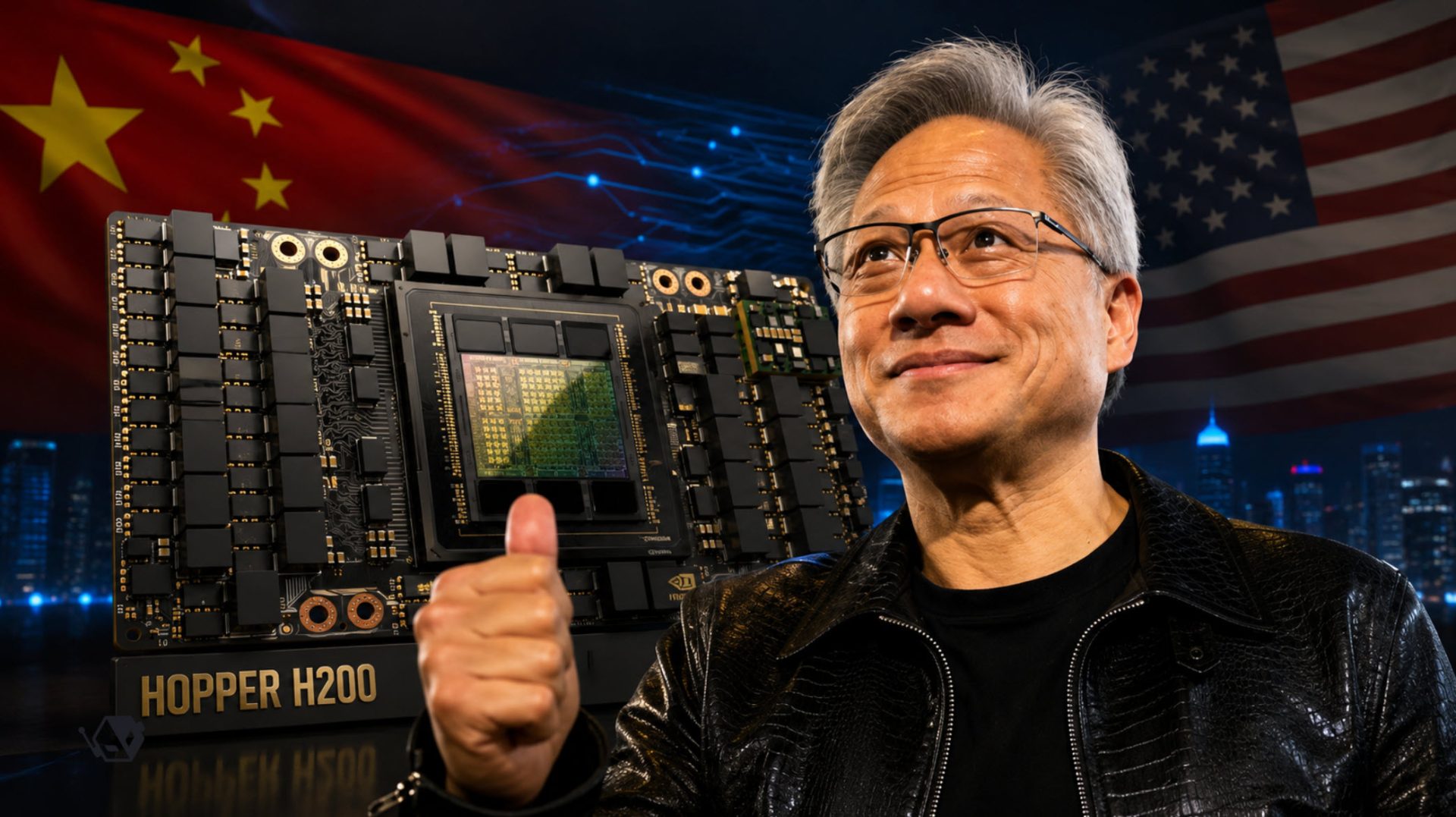
So, NVIDIA’s high-end H200 AI GPUs have received the green light from the US government for export to China. Sounds like a win, right? Wrong. Not only has NVIDIA secured these crucial approvals, but its own CFO, Collette Kress, admitted during the latest earnings call that they anticipate zero revenue from these sales. It’s a head-scratcher, a move that feels less like a strategic play and more like a concession stand where the hot dogs are approved but nobody’s buying.
NVIDIA CEO Jensen Huang, in a candid interview, practically shrugged, lamenting that by being forced to abdicate the Chinese market due to stringent US restrictions, local competitors like Huawei have been given free rein. “We’ve evacuated that market,” he stated, a rather colorful way to put it. It’s like a chess grandmaster deliberately moving their queen off the board and then complaining when the opponent’s king advances. The irony? These H200s are considered older generation, a workaround for sanctions that were designed to hobble China’s AI ambitions. Now, even these “lesser” (by NVIDIA’s standards) chips might not find their way into Chinese data centers.
Why Can’t NVIDIA Sell Its Chips to China? A Geopolitical Standoff
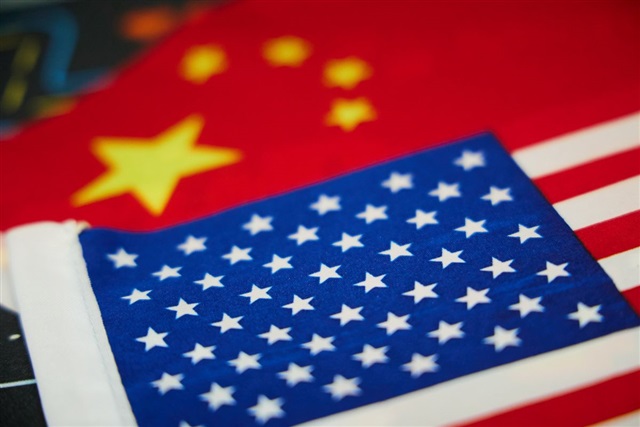
The entire situation is a masterclass in the thorny intersection of technology and geopolitics. The US government, understandably concerned about China’s rapid advancements in AI and its potential military applications, has imposed increasingly severe export controls. NVIDIA, a linchpin in the global AI hardware supply chain, is caught squarely in the crossfire. They develop China-specific GPUs, designed to skirt the strictest rules, but then, it seems, the Chinese government itself steps in, either by banning certain products outright or by simply not allowing imports for them. It’s a regulatory labyrinth, and NVIDIA appears to be wandering lost within it.
Collette Kress laid it out starkly:
While the US government has approved licenses for H200 to be shipped to China-based customers, we have yet to generate any revenue. And we are uncertain whether any imports will be allowed into the country. As a result, consistent with last quarter, we are not including any China data center compute revenue in our outlook.
This isn’t just about lost revenue; it’s about conceding ground. Huang’s observation about Huawei performing well because NVIDIA “evacuated that market” isn’t just a complaint; it’s an acknowledgment of a strategic vacuum being filled. Local Chinese companies, spurred by government pressure and the desire for self-sufficiency, are pushing forward, even if their chips are reportedly years behind in raw power. Estimates suggest the best US AI chips are five times more potent than Huawei’s current offerings, and even a massive production run by Huawei wouldn’t rival NVIDIA’s total compute power anytime soon. Still, every chip they can make and sell is a chip NVIDIA cannot.
Is This an Opportunity for Competitors?
This whole kerfuffle presents a fascinating case study in market dynamics. As the AI landscape shifts—particularly with the rise of agentic AI, which paradoxically brings back the importance of CPUs—established players are finding their foundations tested. Intel, for instance, is getting a second wind. While NVIDIA’s dominance in AI accelerators is undeniable, its struggles to navigate the geopolitical minefield in China highlight the fragility of even the most powerful monopolies. It forces you to wonder if the real long-term winners won’t just be the companies with the most advanced tech, but those best equipped to maneuver through the complex web of international relations.
It’s a peculiar position for NVIDIA. Approved to sell, but unlikely to profit. It’s a proof to how much global politics now dictates the flow of even the most cutting-edge silicon. They might have the most powerful chips, but if you can’t ship them, or if they’re blocked upon arrival, what’s the point?
**
🧬 Related Insights
- Read more: Samsung’s Map Mess: North Korea’s Geography Gets a Digital Upgrade
- Read more: Google Search Box Redesigned for AI Conversation
Frequently Asked Questions**
What exactly are the US restrictions on NVIDIA selling to China?
The US government has implemented export controls aimed at limiting China’s access to advanced AI chips and related technologies, citing national security concerns. These restrictions prevent the sale of high-performance GPUs that could be used for military or sophisticated AI development.
Will NVIDIA ever be able to sell its latest AI chips to China?
It’s uncertain. Future US policy shifts, Chinese technological development, and NVIDIA’s ability to create compliant but still competitive hardware will all play a role. For now, the trend is toward stricter controls, not looser ones.
How much is Huawei’s AI chip market share compared to NVIDIA’s?
While Huawei is growing, its current aggregate computing power from AI chips is estimated to be a small fraction of NVIDIA’s, potentially around 4% even with significant production increases. NVIDIA’s top chips are also estimated to be about five times more powerful than Huawei’s current offerings.