Could the most significant pronouncements about the future of artificial intelligence at a major tech expo come not from a singular chip giant, but from the confluence of two key players discussing their partnership?
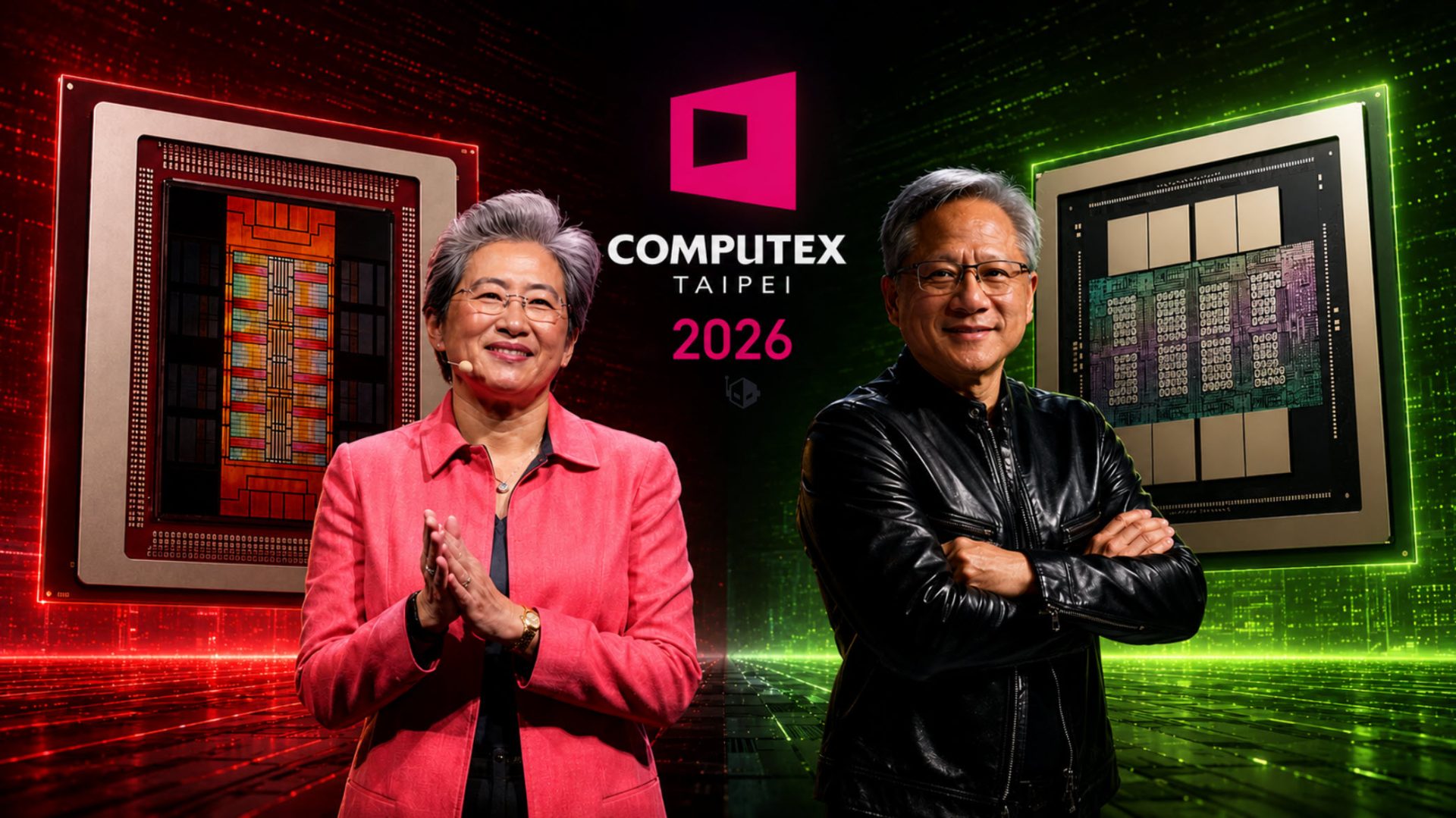
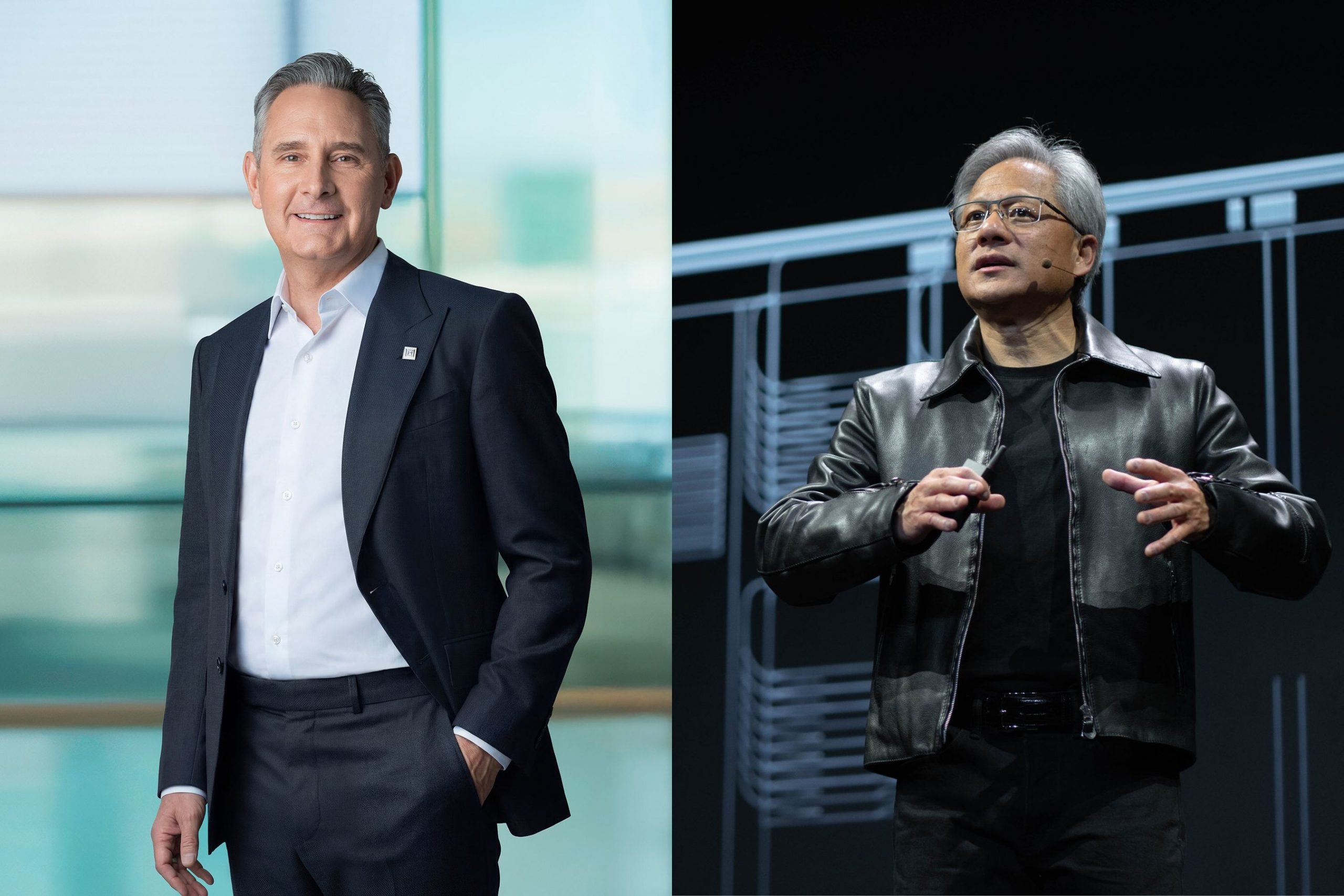
That’s the provocative question COMPUTEX 2026 is posing, with the unexpected announcement that NVIDIA’s Jensen Huang will share the stage with Marvell Technology’s CEO Matt Murphy for the event’s keynote. Forget the typical solo product unveil; this is a strategic dialogue, precisely timed to underscore the critical, often-overlooked role of connectivity in the AI revolution.
The AI Infrastructure Equation: More Than Just Cores
Marvell’s pitch, helmed by Murphy, is centered on “The Future of AI Depends on Connectivity.” It’s a bold statement, and one that positions the networking and infrastructure company not as a mere enabler, but as a foundational pillar for the entire AI ecosystem. While NVIDIA dominates headlines with its GPU dominance, the sheer volume of data processing required for cutting-edge AI necessitates a strong, high-bandwidth network. Marvell aims to be that network.
Their partnership, first announced in March, is now being elevated to the global stage. The joint appearance suggests a deeper integration than typical co-marketing. Murphy and Huang are set to discuss how their combined efforts offer “greater choice and flexibility” for customers building next-generation AI infrastructure. This implies a strategic alignment where Marvell’s silicon — powering everything from within servers to the vast data center interconnects — becomes the invisible highway upon which NVIDIA’s computational power travels.
During the address entitled, “The Future of AI Depends on Connectivity,” Jensen Huang, founder and CEO of NVIDIA, will make an appearance on stage with Murphy. Building on the companies’ partnership announced in March, Murphy and Huang will discuss how Marvell and NVIDIA are working together to provide customers with greater choice and flexibility in developing next-generation AI infrastructure.
This is a savvy move for Marvell. By aligning with NVIDIA at such a high-profile event, they’re directly tapping into the gravitational pull of the AI hardware king. It’s a strategy designed to elevate their visibility from component supplier to indispensable partner. For NVIDIA, it signals a pragmatic understanding that raw compute power is only one half of the AI equation; efficient, high-speed data movement is the other.
Is This Just PR, or a Strategic Shift?
Let’s cut through the corporate gloss. Is this a genuine strategic realignment, or a well-timed marketing play? The data suggests the former. The sheer scale of AI deployments—from massive cloud data centers to specialized edge computing—means bandwidth constraints are becoming as significant a bottleneck as processing power. Marvell’s portfolio, encompassing optical and electrical interconnects, Ethernet controllers, and storage accelerators, directly addresses these challenges. Their ability to deliver high-performance, low-latency connectivity across the entire data center fabric is not incidental; it’s essential.
COMPUTEX 2026 itself is leaning heavily into this narrative, themed “AI Together.” With 1,500 exhibitors and 1,700 booths dedicated to AI & Computing, Robotics & Mobility, and Next-Gen Tech, the event is clearly positioning itself as the nexus for all things AI. The inclusion of other Marvell partners further reinforces the idea that this is about building an interconnected ecosystem, not just a single-vendor solution.
Why Does This Matter for Developers and Investors?
For developers, understanding these infrastructure layers is increasingly critical. Building efficient AI models and applications requires awareness of data pipeline performance, latency, and the underlying network architecture. The Marvell-NVIDIA alliance suggests that future development platforms will likely integrate these connectivity considerations more deeply, potentially simplifying deployment and optimization for complex AI workloads.
For investors, this highlights a less-discussed segment of the AI boom. While GPU valuations grab headlines, companies providing the critical interconnectivity infrastructure are poised for significant growth. Marvell, often overshadowed by semiconductor giants, is now explicitly positioning itself as a vital cog in the AI machine. Their ability to execute on this vision — delivering reliable, scalable connectivity solutions that keep pace with AI’s voracious appetite for data — will be key.
This partnership is more than just a keynote appearance. It’s a statement of intent, a recognition that in the complex world of AI, no single company operates in a vacuum. The future, it seems, is about how well these technologies talk to each other, and Marvell is making a loud case for its role as the universal translator.
🧬 Related Insights
- Read more: Edinburgh Councillors Reject ‘Green’ AI Datacenter [Key Vote]
- Read more: China’s Memory Makers Soar: AI Fuels Price Surge
Frequently Asked Questions
What is Marvell Technology’s role in AI? Marvell designs and manufactures semiconductors that provide critical connectivity solutions for AI data centers, including components for servers, racks, and the networks connecting them. Their focus is on enabling high-performance, scalable data movement essential for AI workloads.
Why is Jensen Huang appearing with Marvell’s CEO? Jensen Huang’s appearance signifies NVIDIA’s recognition of the importance of connectivity in AI infrastructure and highlights the strategic partnership between NVIDIA and Marvell. It underscores their collaborative approach to providing comprehensive AI solutions.
What is the main theme of COMPUTEX 2026? The main theme of COMPUTEX 2026 is “AI Together,” emphasizing the collaborative nature of AI development and deployment across various technological domains and companies.