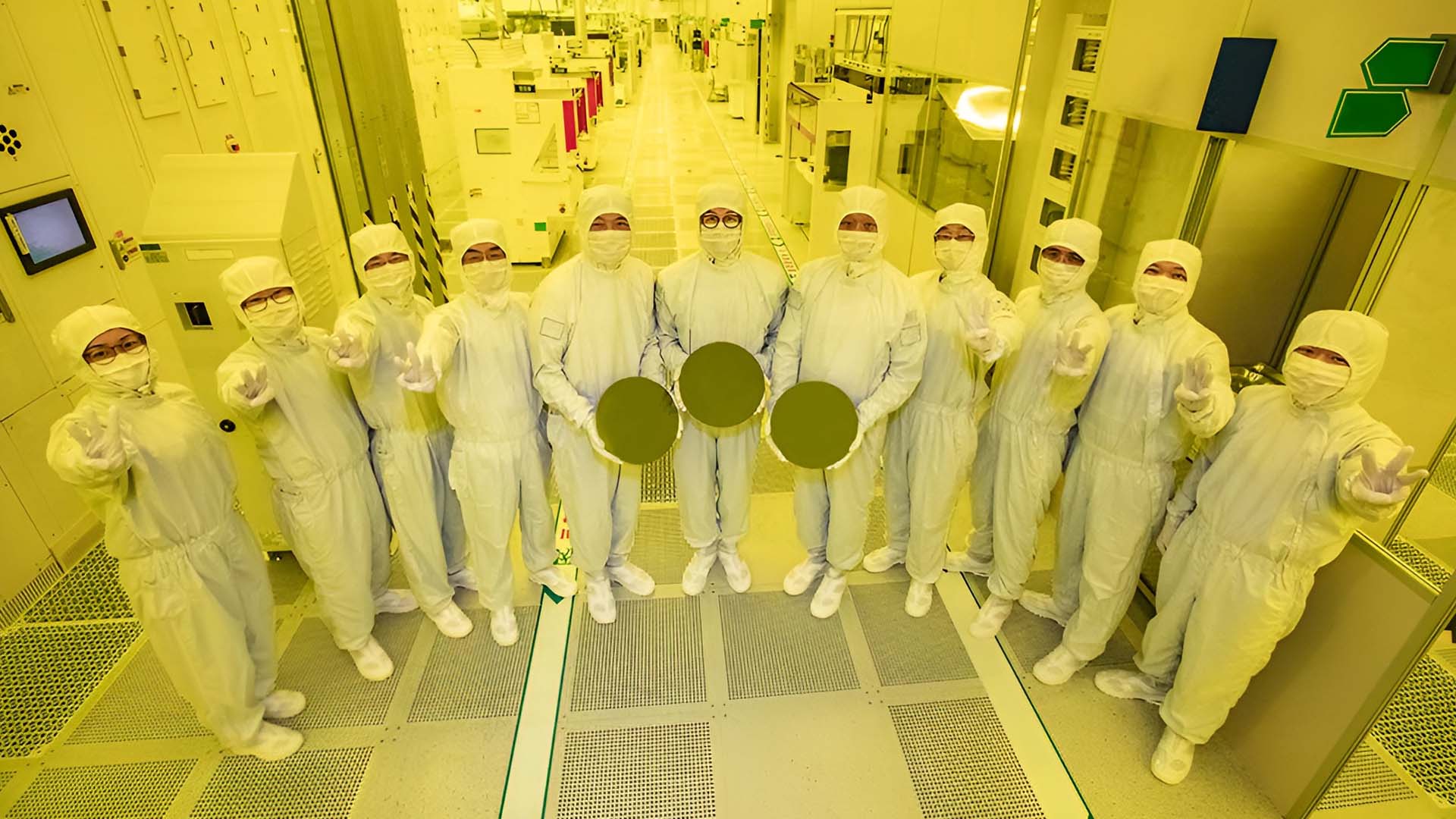
Everyone expected a handshake, a sigh of relief. After the looming specter of debilitating strikes, Samsung’s tentative deal with its unionized workers was supposed to be a salve, a return to a semblance of internal equilibrium. Instead, it’s ripped the company’s cohesion right at the seams. The devil, as it often does, hides in the architectural details of compensation, and in this case, the chasm between what memory chip employees stand to gain and what their mobile counterparts will pocket is so vast it threatens to pull the entire edifice down.
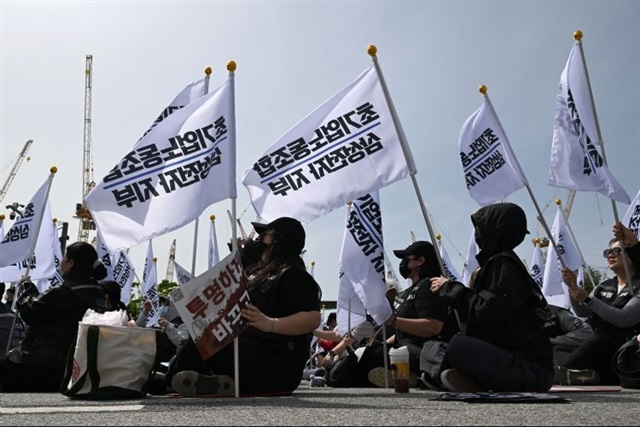
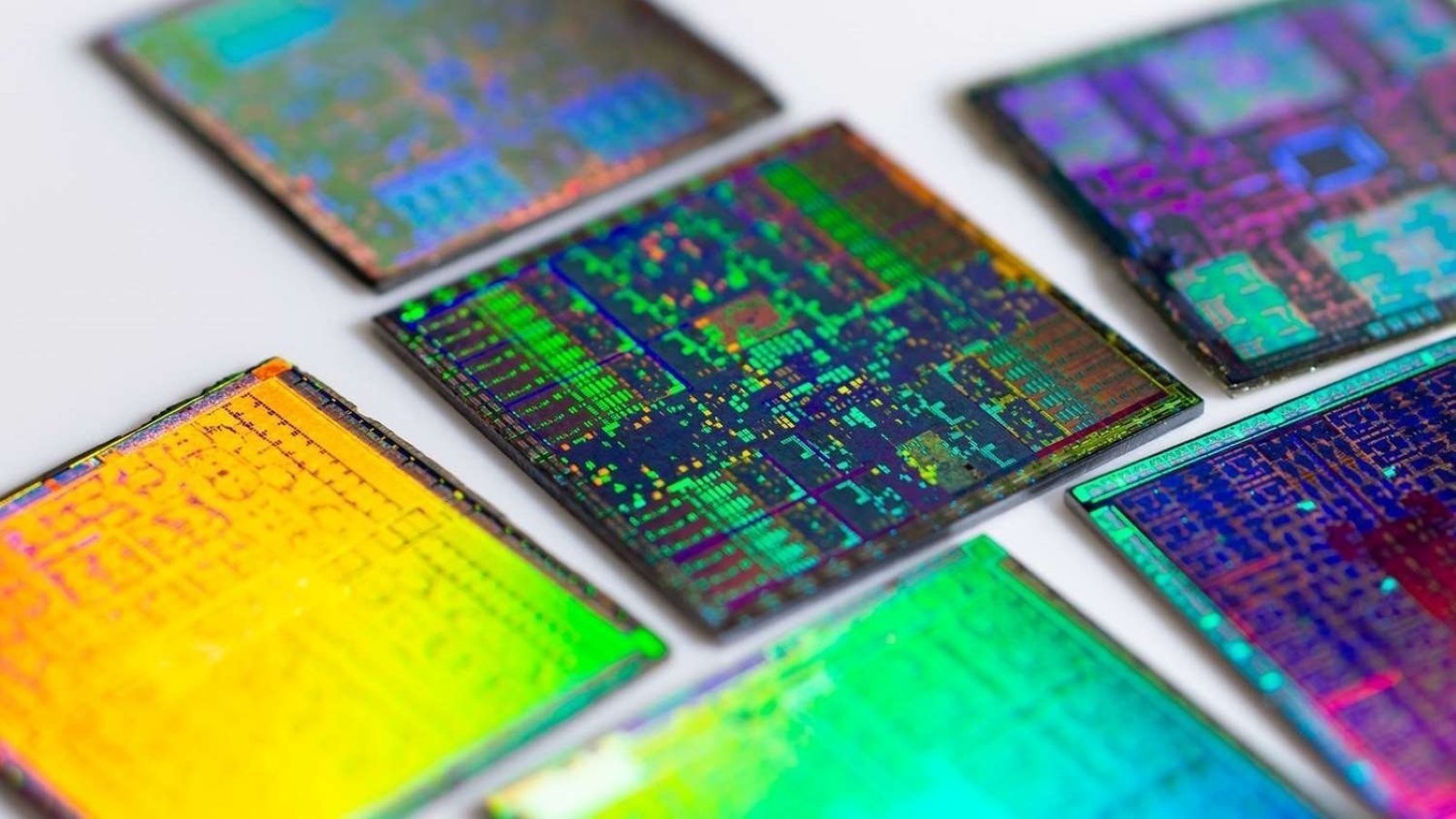
This isn’t just a minor grumble; it’s a full-blown revolt. The union representing Samsung’s home appliance and mobile division workers has made it crystal clear: they’re heading to court, vowing to seek an injunction to block the deal. The numbers, as reported, are stark and frankly, mind-boggling. We’re talking about a nearly 100x difference in implied bonuses. Semiconductor employees, under the terms of this new agreement, are poised to receive a staggering 10.5 percent of the company’s annual operating profits, provided those profits clear substantial thresholds in the coming years. The immediate payoff? Based on current profit projections of around 300 trillion won this year, each memory-focused employee could be looking at a cool $400,000 bonus.
And that’s just the performance-based sweetener. On top of that, these same memory division workers are slated to snag a 40 percent share of the company’s total bonus pool, a separate kitty entirely. It’s a bonanza that makes the meager $4,000 bonus designated for Samsung Mobile employees – a figure calculated by the tipster Ice Universe based on YTN data – look less like a bonus and more like a charitable handout.
A Tale of Two Sannsyns: Memory vs. Mobile
This isn’t just about fairness; it’s about fundamental value perception. For years, the memory division has been Samsung’s cash cow, the bedrock of its dominance. It’s understandable that extraordinary performance might warrant extraordinary reward. But is the disparity so colossal that it breeds resentment and legal action? The LSI division, another crucial cog, falls somewhere in between, with employees set to receive around $100,000. While a significant sum for many, it only amplifies the perceived injustice for those at the lower end of this tiered reward system. The PR spin, if there is any, is going to have a Herculean task convincing anyone that this isn’t a recipe for internal disaster.
It begs the question: how did this disparity become so pronounced? The deal’s architecture seems to tie the bulk of the rewards directly to the memory sector’s profit margins, which have historically been cyclical but recently strong. But this structure ignores the interconnectedness of Samsung’s vast ecosystem. Mobile phones, for all their struggles against Apple, still represent a massive revenue stream. Appliances, too, are a foundational business. To silo rewards so dramatically risks alienating entire swaths of the workforce whose contributions, while perhaps less directly tied to explosive profit spikes in a single quarter, are nonetheless vital to Samsung’s sustained existence. It feels like the architects of this deal were so focused on appeasing the golden goose (memory chips) that they forgot the farm itself is a complex, interdependent organism.
“Given the 100x difference in the bonuses for Samsung workers in memory and mobile divisions, the situation has predictably turned explosive.”
The implications extend beyond the factory floor. Shareholders are also reportedly threatening lawsuits unless this deal is put to a vote. This isn’t just a labor dispute; it’s a corporate governance headache. A company’s internal stability is intrinsically linked to its external perception and investor confidence. A house divided against itself, as the saying goes, cannot stand. And right now, Samsung’s house is looking decidedly fractured, with internal divisions threatening to become legal battlegrounds.
And the sheer speed at which this is unfolding is telling. The voting turnout for the deal ratification, which is open from May 21st to May 28th, already eclipsed 66 percent on day one. This isn’t just a slow burn; it’s a wildfire. It suggests a deep-seated anger and a unified front among those feeling left behind. Samsung’s leadership faces a monumental task: either they can double down and risk further fracturing, or they must find a way to bridge this cavernous gap, lest the revolt spread beyond the legal injunctions and into the very core of their operations.
Will This Deal Be Blocked in Court?
The union’s threat to seek a court injunction is not idle posturing. Depending on the specifics of their labor agreements and South Korean labor law, they may have grounds to argue that the deal unfairly discriminates or violates established collective bargaining principles. The sheer magnitude of the bonus disparity could be a key point of contention. If a judge finds merit in their claims, the entire agreement could be halted, forcing Samsung back to the negotiation table under even greater duress.
What Does This Mean for Samsung’s Future?
This internal turmoil is more than just a headline. It’s a symptom of a larger challenge: how to incentivize and reward a diverse workforce in a rapidly shifting technological landscape. Samsung’s success has always been built on its manufacturing prowess and its ability to innovate across multiple sectors. If the very people driving that innovation feel undervalued or unfairly compensated, it erodes the company’s competitive edge. The long-term impact could be a brain drain, decreased morale, and ultimately, a hit to Samsung’s ability to maintain its market leadership across all its key business areas.