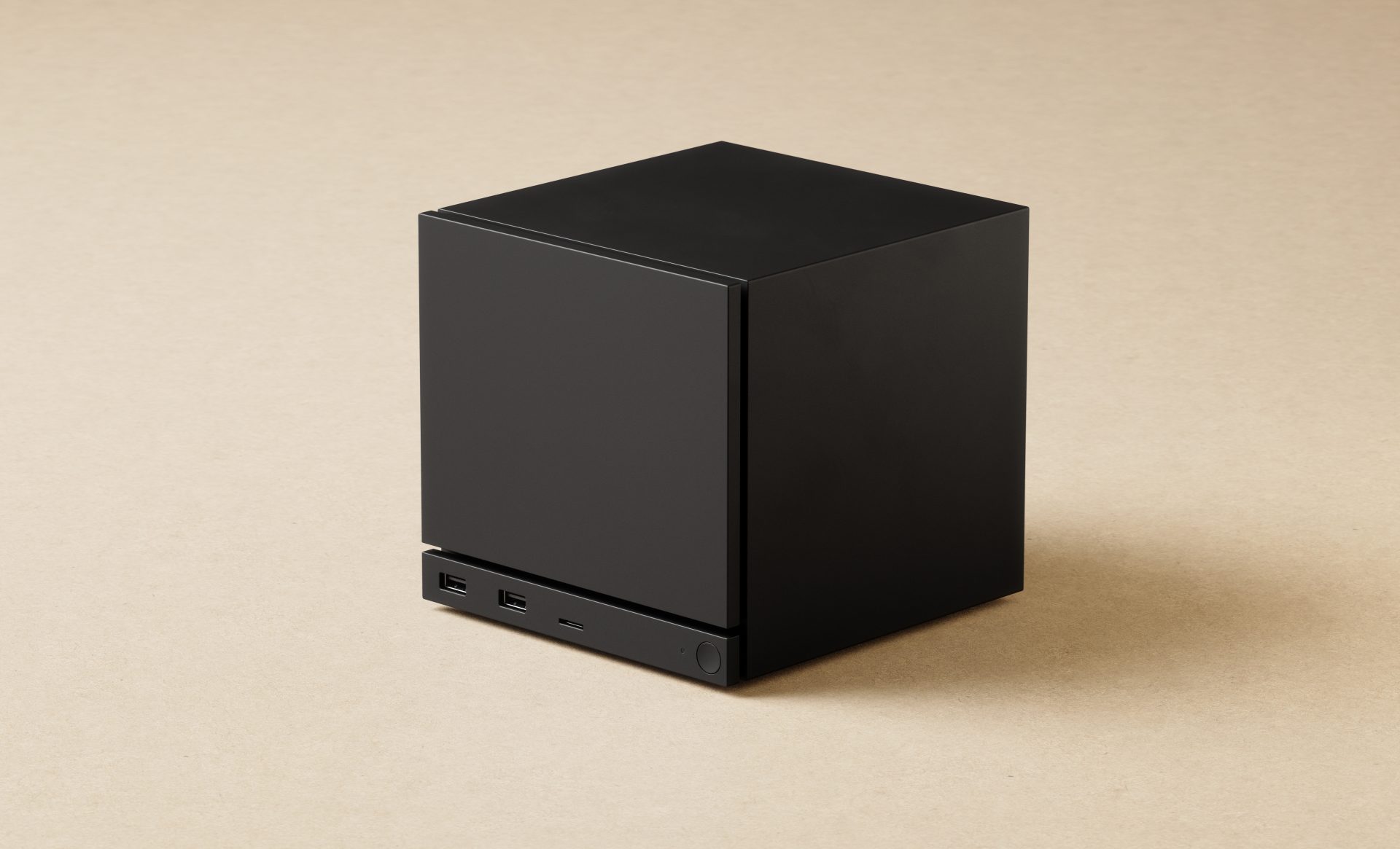
For years, the Steam Machine has been vaporware, a promise that flickered and faded. Expectations, by this point, had dwindled to virtually nothing. Yet, here we are, with Valve’s much-maligned gaming hardware suddenly — and with little fanfare — popping up on the official Khronos Vulkan conformant product database.
This isn’t just some random listing. It’s Valve’s “AMD Steam Machine,” specifically noting support for Vulkan 1.4 via an open-source Mesa/RADV driver. The entry spills some beans on the hardware too: a custom AMD CPU (1772), Linux kernel 6.16.12, and a RADV_NAVI33 product family. It’s the kind of detailed technical information that typically precedes a hardware launch, signaling that the company is, indeed, making final preparations.
The Ticking Clock: Vulkan Certification as a Pre-Launch Indicator
The addition to the Vulkan database is significant. It’s one of those behind-the-scenes certifications that almost always signifies a product is on the cusp of being released into the wild. Think of it as the digital equivalent of getting final approval from the safety inspector before opening a building. While it doesn’t offer a precise launch date — a detail Valve has historically guarded like state secrets — it’s a near-universal indicator of imminent availability. This isn’t a marketing announcement; it’s a technical gate passed.
Why Does This Matter for Competitors?
Mike Ybarra, a former Xbox executive, has pegged the Steam Machine as PlayStation’s “true competitor.” That’s a bold claim, given Sony’s entrenched position. But the hardware itself, powered by AMD and running Linux, offers a different path than consoles. The success of this ambition, however, hinges entirely on factors outside of raw technical specs and driver conformance. Price. Always price.
The Elephant in the Room: Price Hikes and Scalper Woes
Here’s the gut punch. Reports suggest the internal price for the Steam Machine has “skyrocketed” thanks to the current RAM cost surges. If Valve is forced to pass those costs onto consumers, the appeal of a Linux-based gaming machine—especially one entering a market dominated by established players—could evaporate. The market dynamics are brutal right now. A premium price point could sink this ship before it even leaves port. It’s not just about competing with Sony; it’s about competing with the economic realities of hardware manufacturing in 2024.
According to reports, the price skyrocketed internally due to the current RAM price hikes, so current market conditions may force Valve to set a price higher than intended, which will inevitably impact the system’s appeal.
And then there’s the specter of scalpers. We’ve seen it with every major console launch since the PlayStation 5 and Xbox Series X|S. Expensive hardware, often in limited supply, becomes an instant target for bots and resellers. Valve seems to be anticipating this, preparing a queue system. Whether that’s enough to combat the well-oiled scalping machines out there remains to be seen. History suggests it’s a difficult battle to win.
A Second Chance or a Repeating Cycle?
The original Steam Machine, launched years ago, was a noble but ultimately flawed experiment. It promised PC gaming on the couch, but fragmentation, a confusing marketplace, and a lack of killer apps doomed it. This new iteration, with its deeper integration into SteamOS and what appears to be more focused hardware, might have a better shot. But history has a way of repeating itself, especially when economic headwinds and market dynamics conspire against you. This second act could be a redemption story, or it could be another cautionary tale of ambitious hardware launches in a challenging market. The Vulkan certification is the first step, but the path forward is paved with economic peril.
🧬 Related Insights
- Read more: InP Export Controls: Supply Chain’s Looming Threat
- Read more: FTC Probes Arm: Antitrust Probe Launched Into Chip Giant
Frequently Asked Questions
What does the Vulkan 1.4 conformant product listing mean for the Steam Machine?
It means the hardware has passed a critical technical certification for the Vulkan graphics API, a step usually taken just before a product’s public release. It indicates the system is nearing readiness for launch.
Why are RAM prices affecting the Steam Machine’s cost?
RAM is a key component in modern computing hardware. Significant price increases in the memory market, driven by supply and demand factors, directly increase the manufacturing cost of devices that rely on it, like the Steam Machine.
Will a queue system stop scalpers from buying the Steam Machine?
A queue system is designed to distribute limited stock more fairly and slow down automated purchases by scalpers. While it can help, historically, scalpers have found ways to circumvent such systems, especially for highly sought-after hardware. Its effectiveness will depend on implementation details and overall stock availability.