
Taiwan's $9.4B Chip Program Funds 200+ Devices [Talent Push]
Taiwan's dropping NT$300 billion on chip gear for schools. Over 200 high-end devices. Sounds ambitious—until you sniff the desperation.

Washington's latest export hammer drops — the MATCH Act — just as Intel refinances its way to Foundry dominance and Nvidia turns competitors into collaborators. These aren't isolated moves; they're the architecture of AI supremacy.
The AI gold rush is hitting a wall, and chipmakers are quietly scrambling. Intel and SambaNova's latest move isn't just another partnership; it's a pragmatic pivot away from the GPU-only playbook.
Forget Intel's turnaround story; this is about Elon Musk filing a flight plan for America's foundry future. A potential deal could ignite a race for domestic chip manufacturing, with AI demand as the engine.
DRAM now eats 35% of an entry-level phone's bill of materials. Qualcomm's move with China's CXMT could ease the pain—or ignite bigger risks.
Invoice leaks reveal Sharetronic snapping up nearly 300 servers packed with banned Nvidia AI chips for $92 million. Shares tank 20% amid Super Micro smuggling bust—signaling Washington's export controls are cracking under pressure.
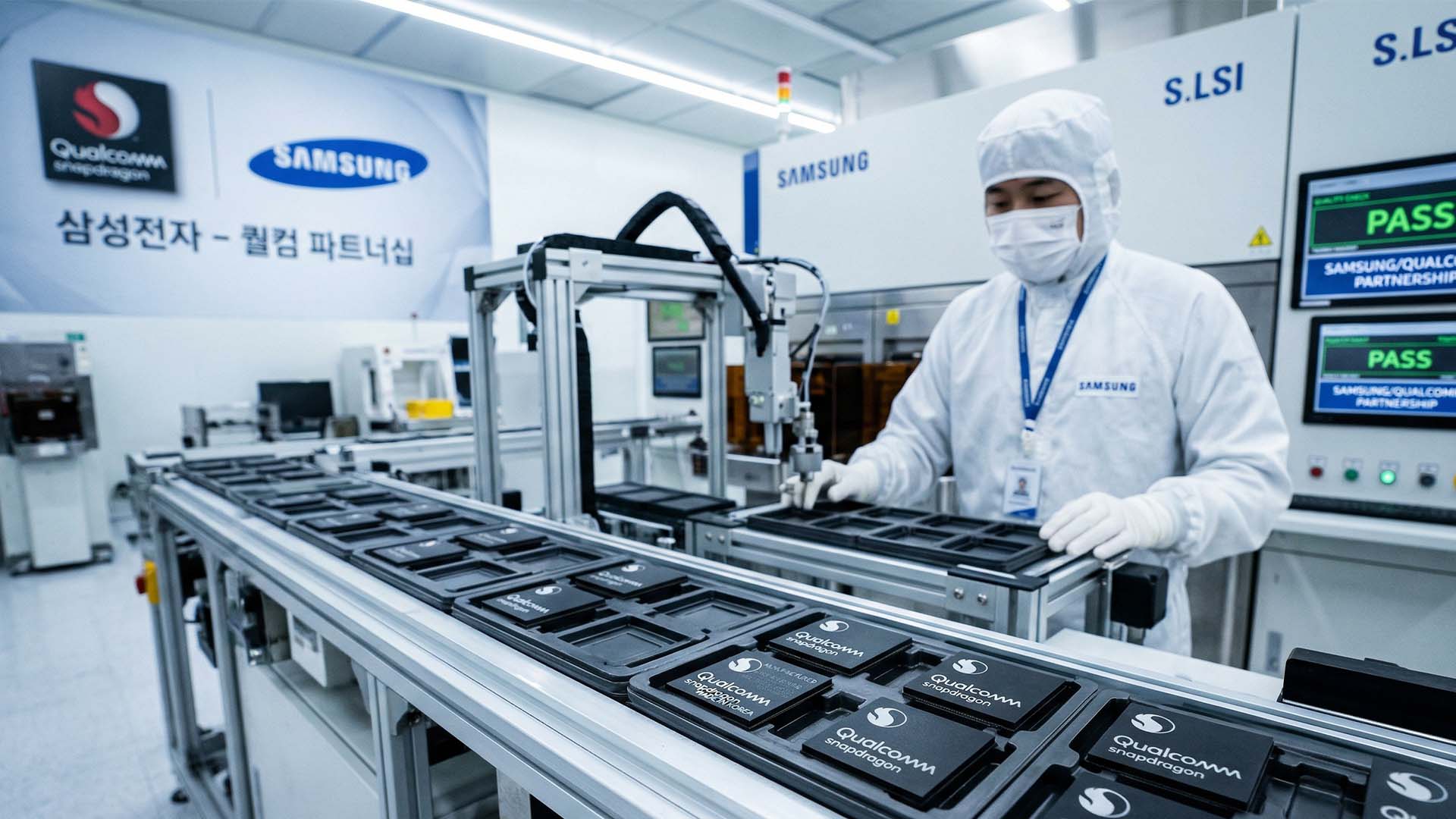
Qualcomm's got its benchmark. Samsung's 2nm can't hit it. Another year glued to TSMC's premium wafers.
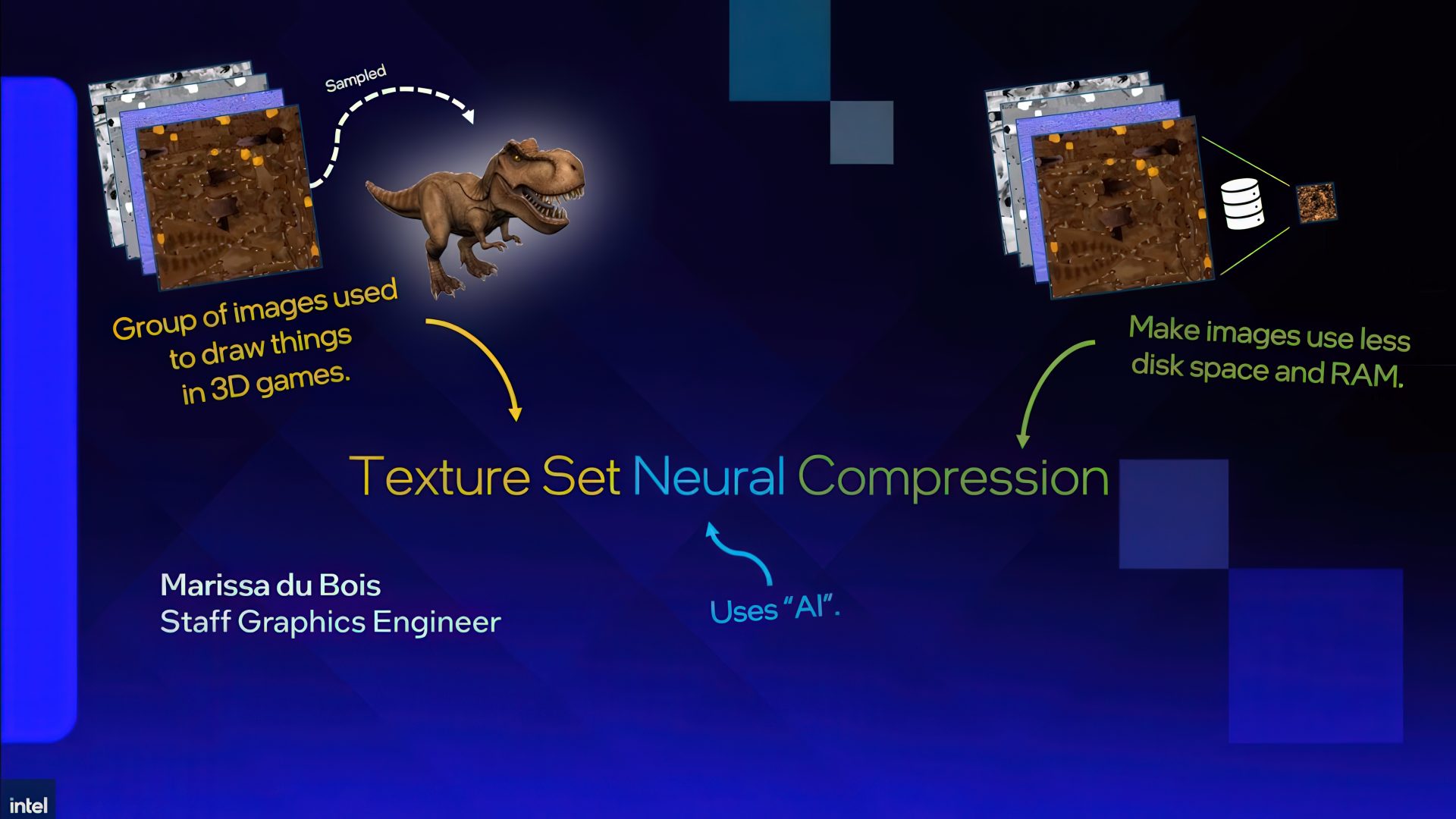
Intel just dropped its neural texture bomb at GDC. 18x compression? Sure—but runtime costs might bite back hard.
Nvidia's Rubin GPUs lean on FP64 emulation to claim HPC supremacy, but AMD calls bluff on real-world readiness. A workaround born of AI dominance?
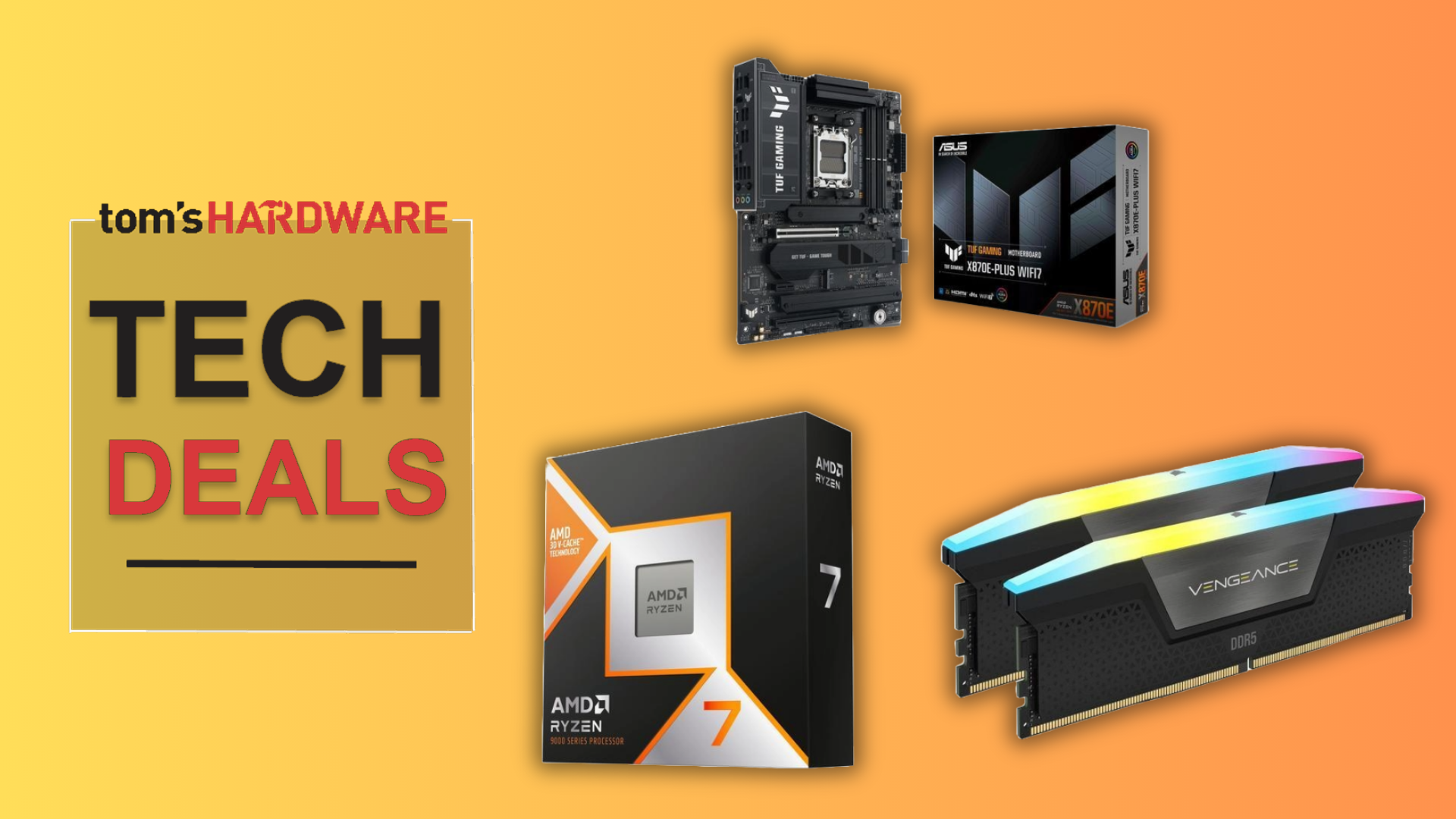
Picture this: your rig's heart pounding with AMD's fastest gaming CPU, all for under a grand. Newegg's bundling the Ryzen 7 9800X3D with premium parts—steal of the year, or just hype?
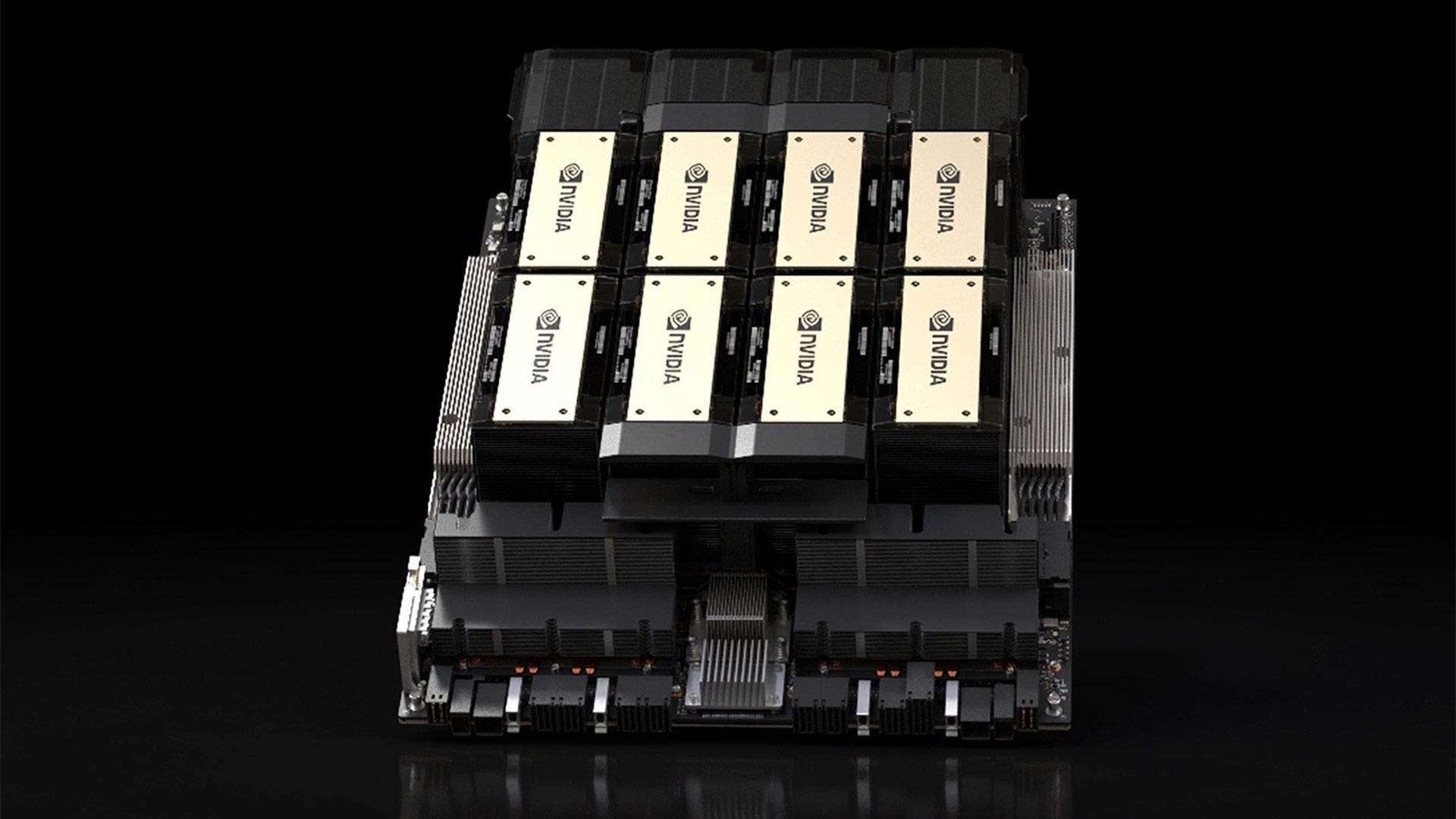
Deep in Argonne's labs, 100,000 Nvidia Blackwell GPUs hum to life. This isn't sci-fi; it's Uncle Sam's bid to own AI's future — nukes, climate, and all.
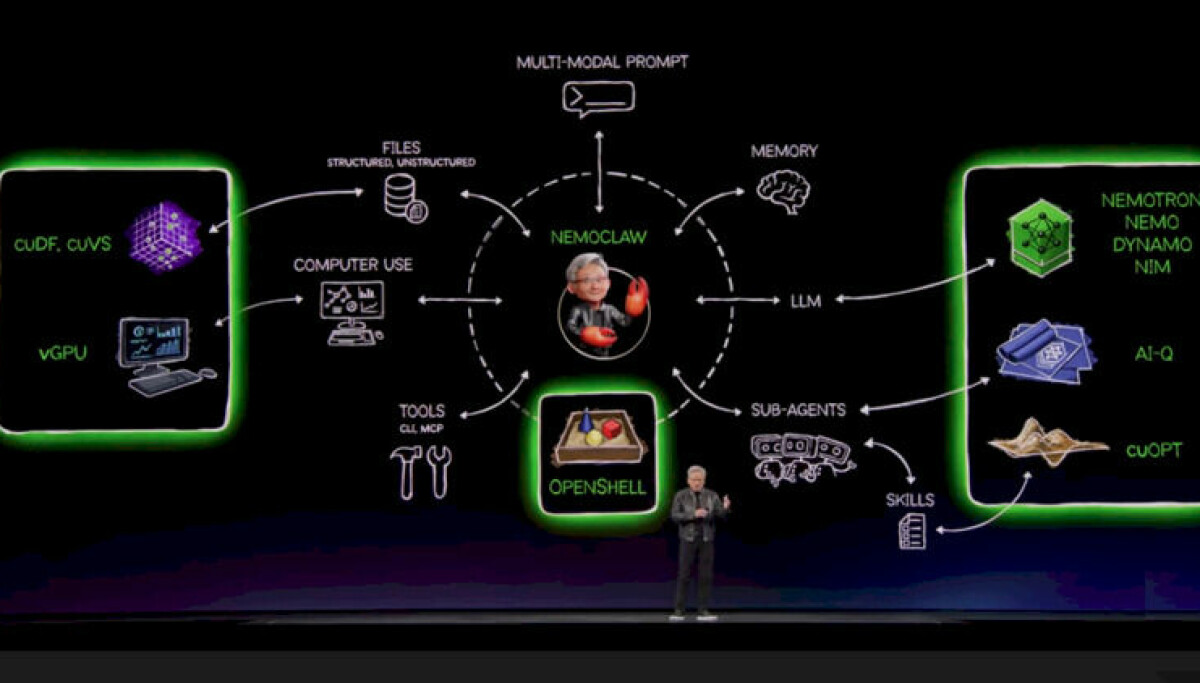
Picture this: Nvidia, the GPU king, just committed $26 million to flood the world with free, frontier-grade agentic AI models. It's not charity—it's checkmate in the race for AI dominance.
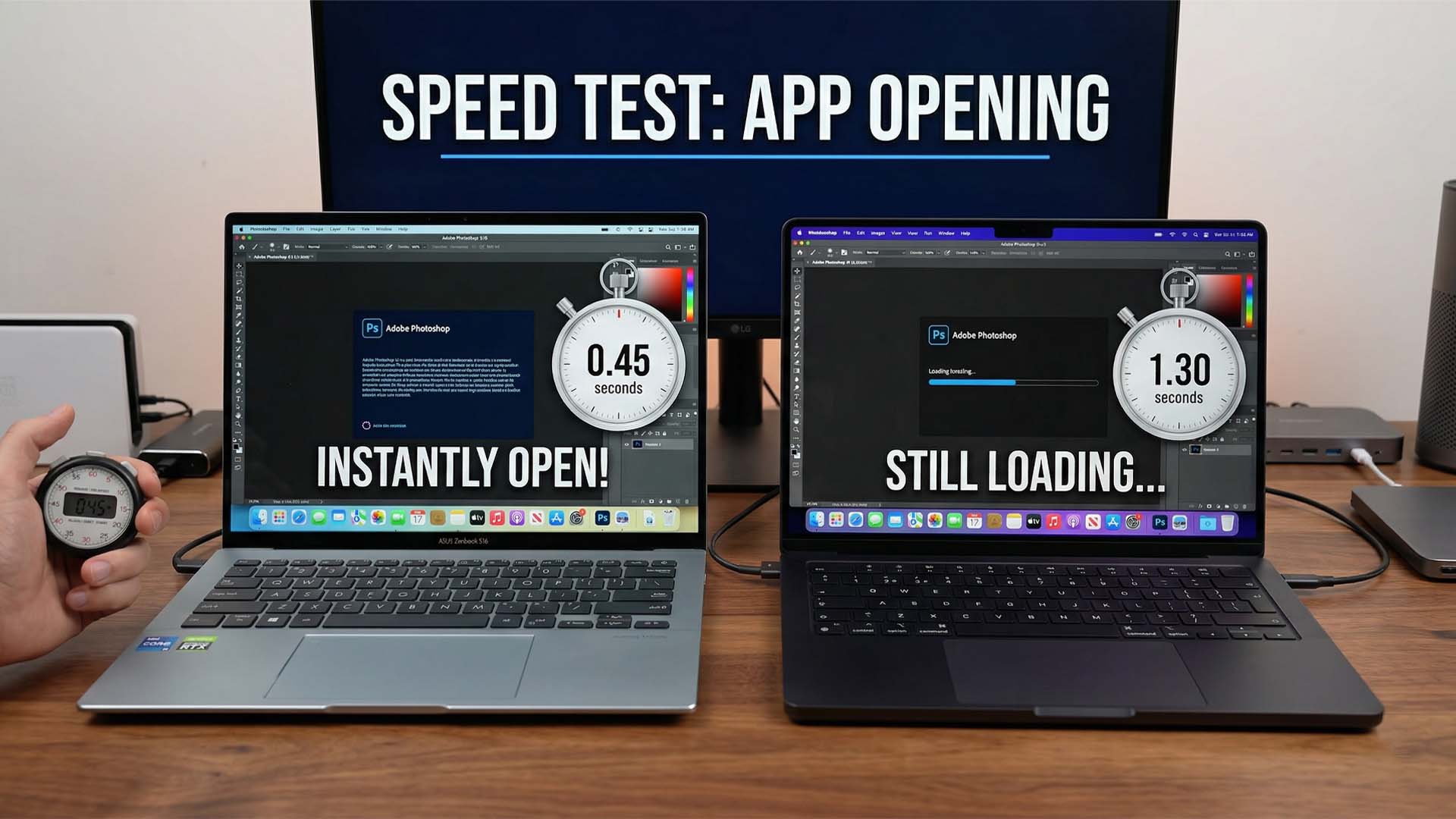
If you're juggling apps all day on a budget, that shiny M3 MacBook Pro might not launch them as fast as a Windows rival anymore. One tester's simple benchmark flips the snappiness script.
Imagine firing up HWMonitor to check your GPU temps, only to hand over your Chrome passwords to hackers. That's what hit CPUID users for six straight hours.
A decade ago, x86 powered 90% of top supercomputers. Now? Just 57%. Arm and challengers are rewriting the rules.
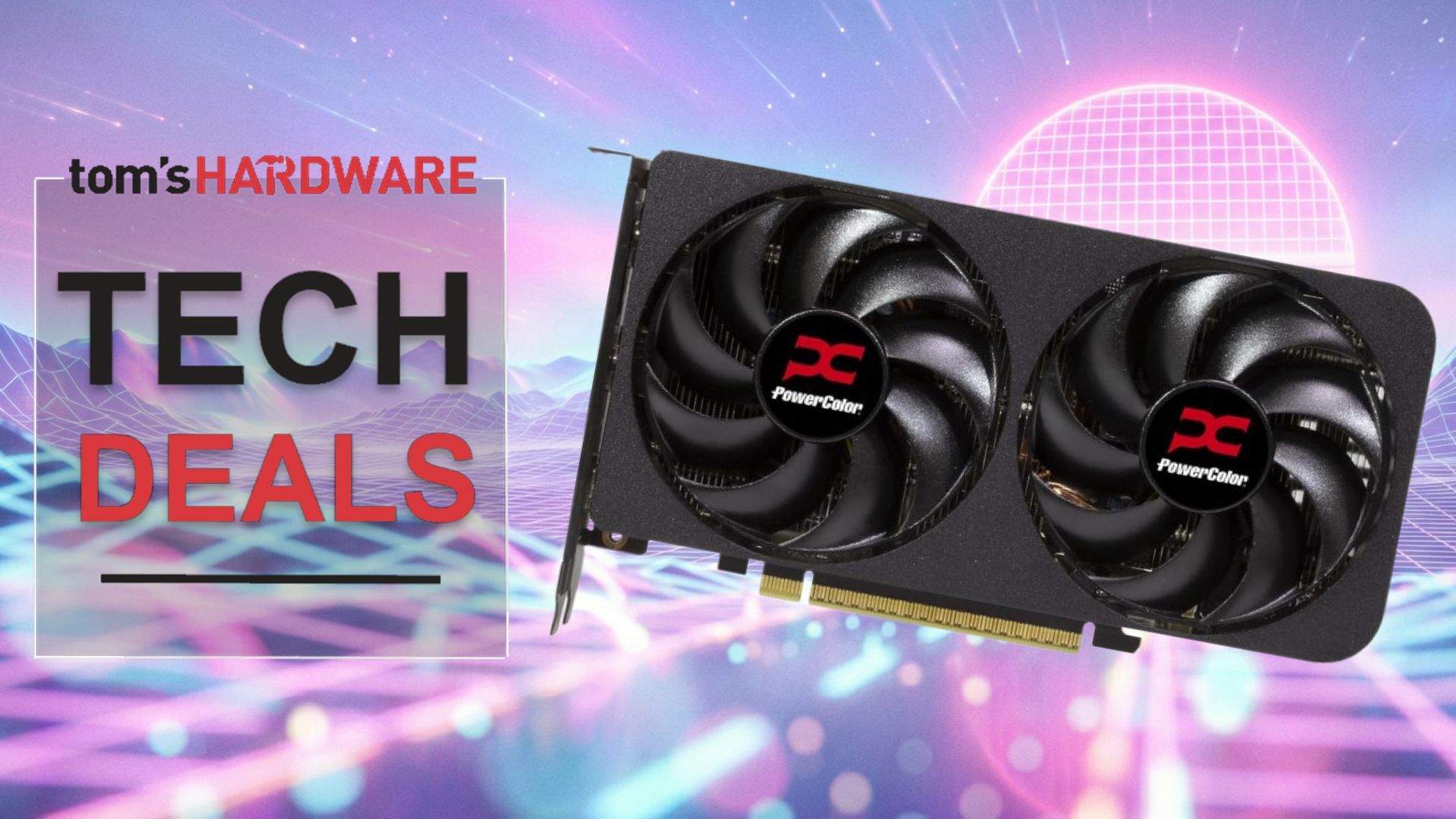
Tired of GPU prices doubling overnight? The Radeon RX 9060 XT just dropped to $419, handing midrange builders a rare victory lap against Nvidia and market madness.
The US Department of Energy just greenlit seven massive AI supercomputers from Nvidia and Oracle, headlined by Argonne's 100,000-Blackwell-GPU Solstice. It's the government's boldest AI infrastructure play yet, but will 'agentic scientists' actually crack real discoveries?
Everyone figured memory makers would feast on AI hype. SK hynix didn't just eat—they devoured, posting record profits and plotting a full-stack takeover.
SK hynix just nailed Ethisphere's World's Most Ethical Company award—for the second year running. In a cutthroat semiconductor world, this isn't fluff; it's proof their ethics engine is revving harder than rivals'.
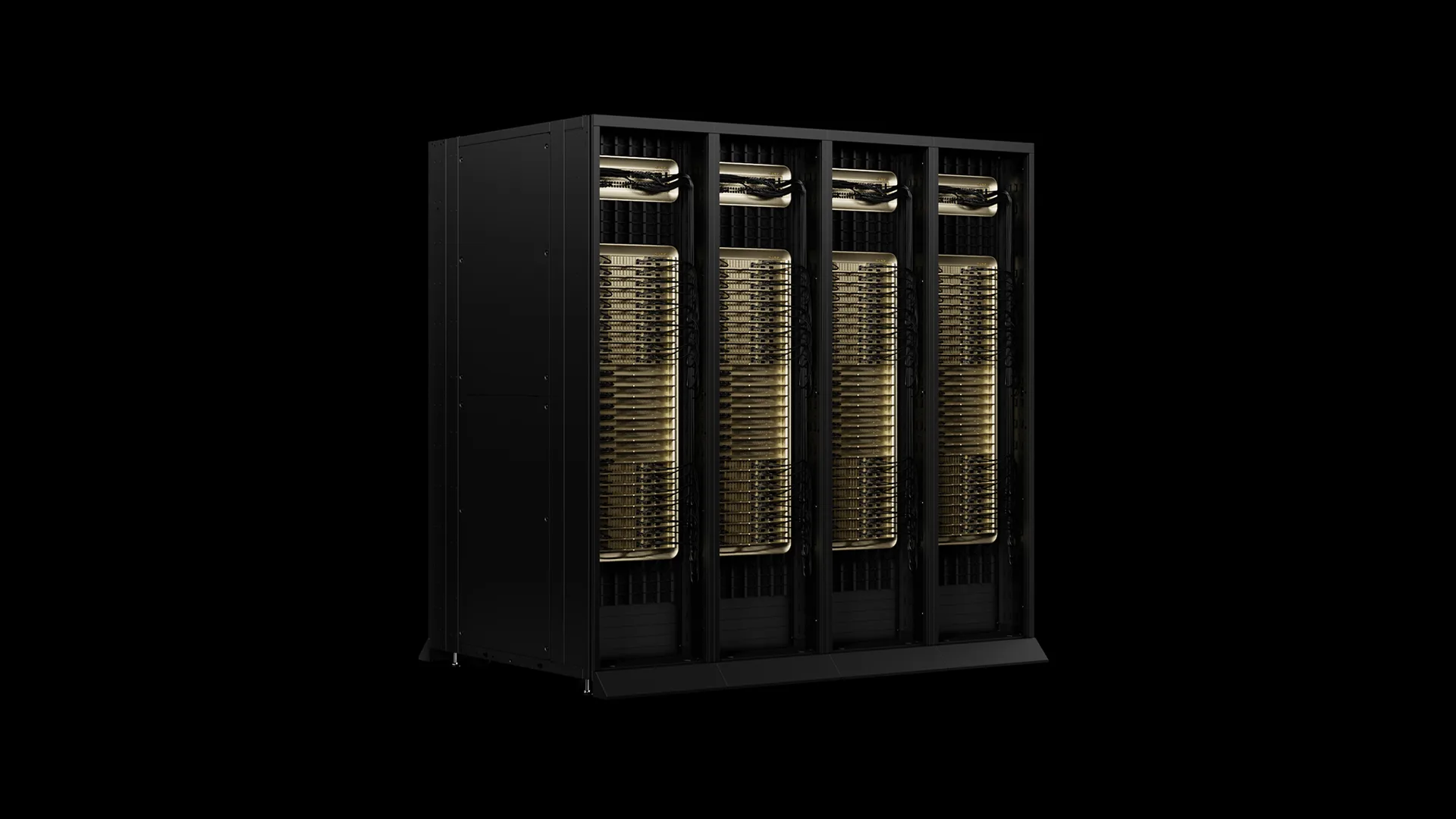
Picture this: 72 Blackwell GPUs humming in one rack, primed for your trillion-parameter AI model. One bad schedule across cliques, though, and it's slower than a single H100.