
SiFive's $400M RISC-V Gamble: CPUs for AI Agents or Just More Hype?
SiFive just hauled in $400 million, betting big on RISC-V CPUs to run the brains of agentic AI. Sounds promising—until you poke at the power-hungry reality of data centers.
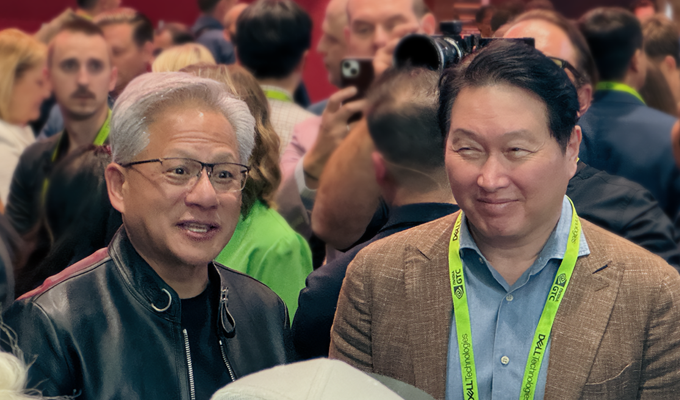

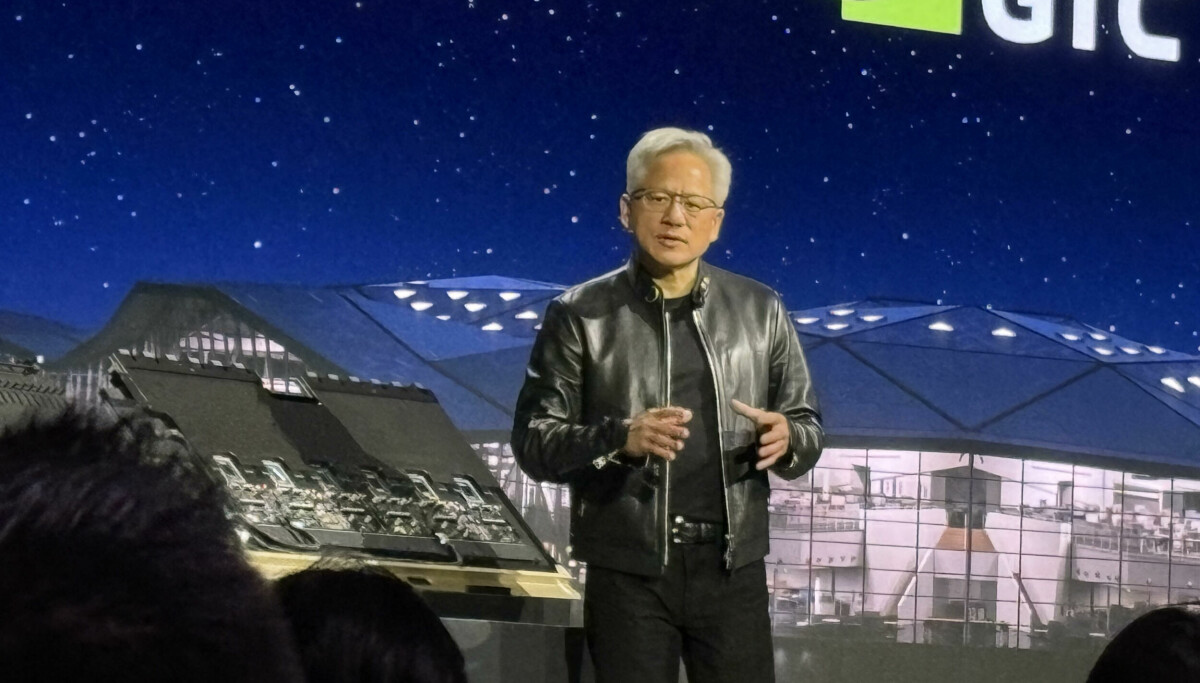
Picture this: Silicon Valley's AI circus, and SK's Chey Tae-won is front row for Jensen Huang's keynote. It's not just sightseeing—it's a calculated grab for HBM dominance.
Forget the boardroom battles. This means cheaper AI tools for you and me—or more excuses from Amazon as rivals lap them. AWS's gigawatt gamble with Anthropic's Trainium chips could flip the script.
Jensen Huang's full-platform sermon just got empirical backup. Nvidia's software tweaks propel MLPerf inference benchmarks to absurd new heights, leaving rivals in the dust.
NVIDIA's shoving Google's Gemma 4 models onto everything from Jetson bots to your RTX rig. Promises low-latency magic — but who's really cashing in on this edge AI push?
Deep inside SK Hynix's fabs, photolithography isn't just etching patterns—it's the silent gatekeeper deciding who wins the AI memory race. New Photo Tech head Hyunsok Kim calls it the 'scaling master key,' and he's betting big on it.
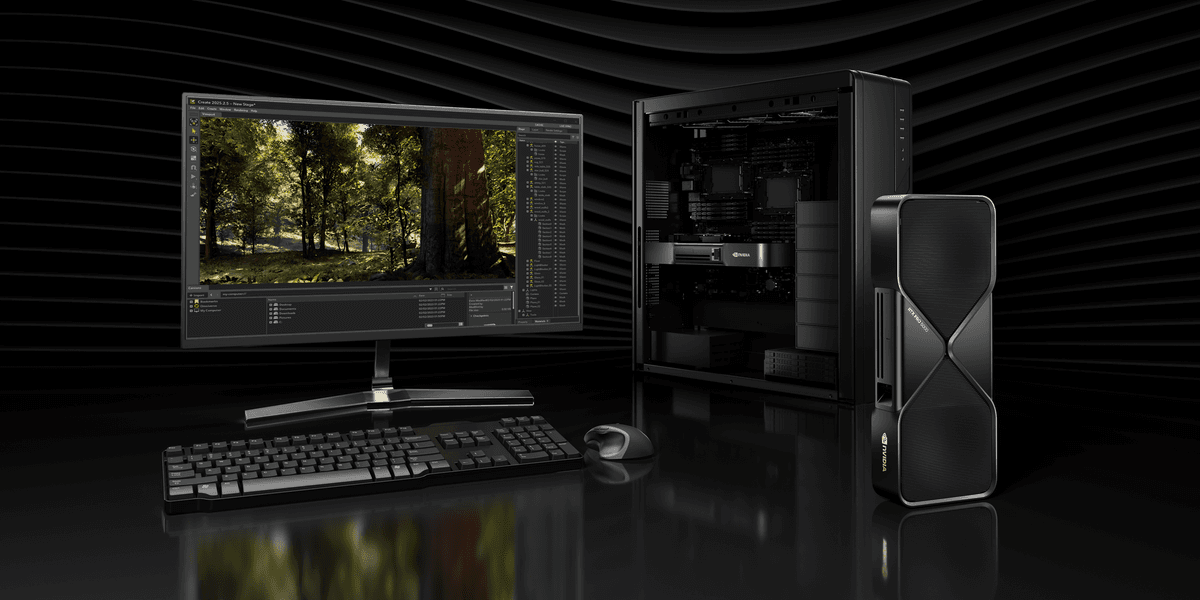
Data scientists drown in terabytes while CPUs choke. NVIDIA's RTX PRO 6000 Blackwell Workstation Edition claims to fix that with data-center muscle at desk level — but supply woes and real-world fit raise questions.
Picture this: Intel, battered by rivals, snags Zoom's scaling wizard Aparna Bawa to overhaul its legal, people, and culture ops. It's a bet on human horsepower in the AI chip wars.
AlphaFold2 unlocked 200 million monomer structures. But protein complexes? NVIDIA's GPU blitz just predicted millions more — if you can afford the SuperPOD.
Kubernetes schedulers always treated GPUs like exclusive real estate—one pod, one card. But partitioning flips the script, cramming lightweight AI models onto idle GPU slices for massive efficiency gains.
AI factories bleed tokens from congestion and power caps. NVIDIA's Mission Control 3.0 promises a fix — modular control planes and predictive ops. Skeptical? Let's unpack the architecture.
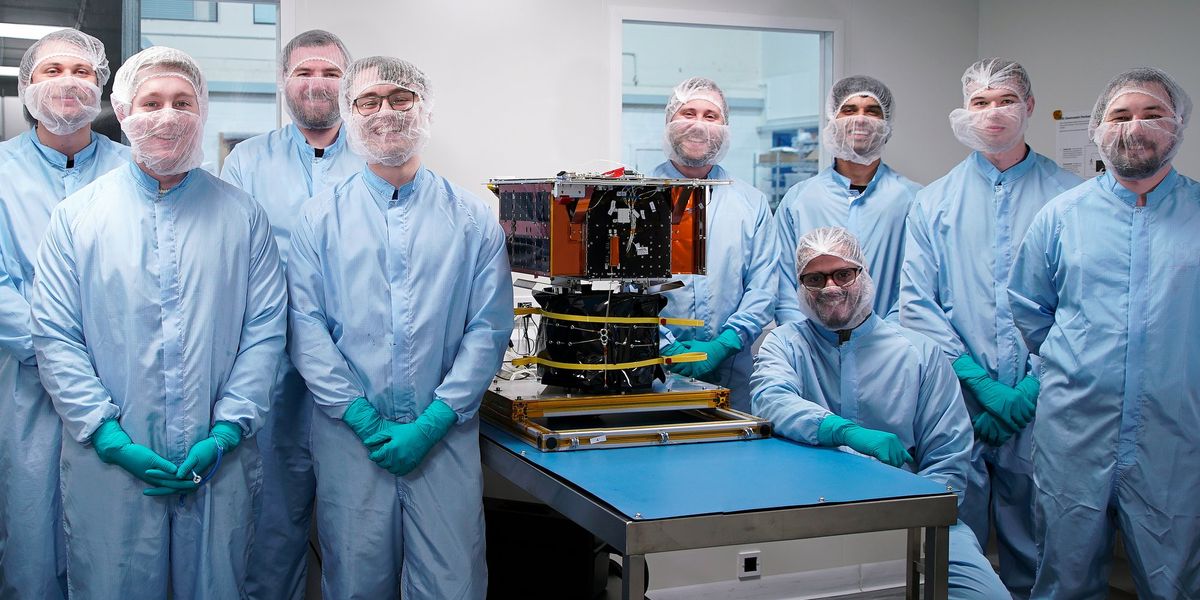
Imagine semiconductors so pure they barely heat up—like diamonds forged in the cosmic void. Space Forge just lit the fuse on orbital manufacturing, promising chips that could turbocharge AI without melting data centers.
Agentic AI's production push slams into GPU limits. Intel and SambaNova counter with a Xeon 6-powered blueprint that mixes compute types for real-world scale.
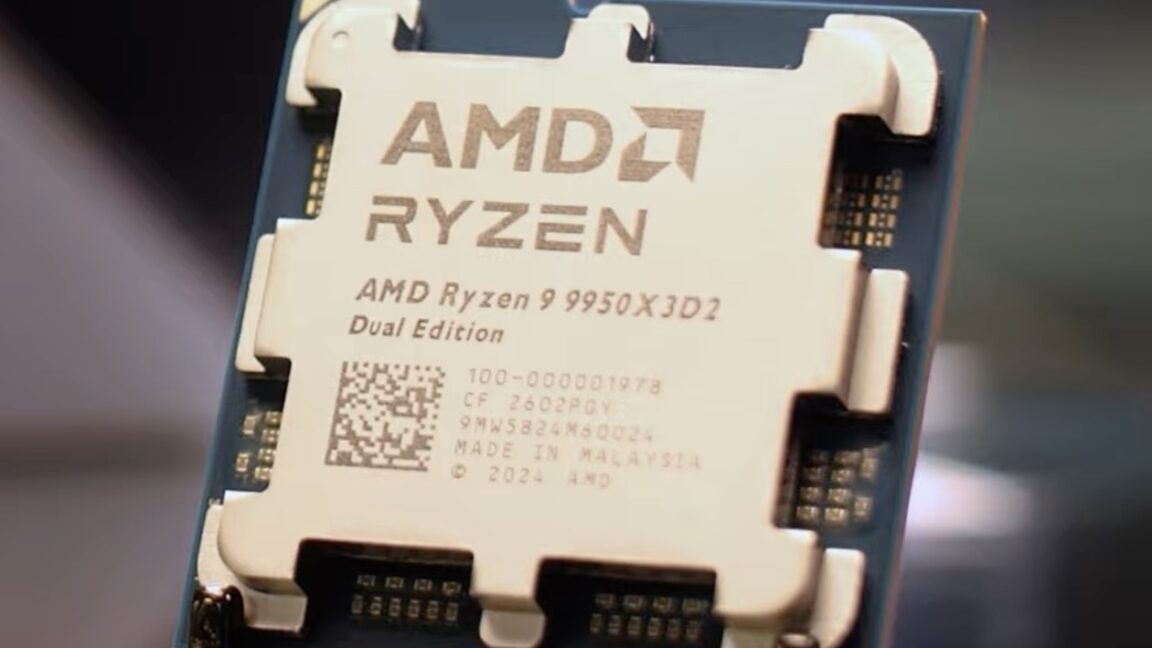
Picture this: a single CPU chip hoarding 208MB of cache, enough to swallow entire game worlds without blinking. AMD's Ryzen 9 9950X3D2 Dual Edition just turned desktop processors into cache-stuffed behemoths.
Picture this: global semiconductor sales rocketing from $805 billion to $1.32 trillion in one year. Gartner's latest forecast pins it on AI frenzy and skyrocketing memory prices they call 'memflation.'
UK engineers with chip dreams? Brace yourself. VCs are now sniffing only for billion-dollar unicorns—no $100 million consolation prizes allowed.
Picture AI clusters guzzling power like small cities—Broadcom's just dropped the tech to make it real. At OFC 2026, they're showing off the end-to-end infrastructure for 200T-scale beasts.
Aitech's dropping two new rugged SBCs packed with Intel's latest Core Ultra chips for military AI crunching. But after 20 years watching Valley hype crash into reality, I'm asking: Does this actually move the needle on the battlefield?
What if your underfunded SOC could punch like an enterprise giant? Broadcom's new Symantec CBX promises that — merging Symantec prevention with Carbon Black detection in one cloud platform.