Agentic AI: Subsurface Engineering's 24/7 Simulation Shift
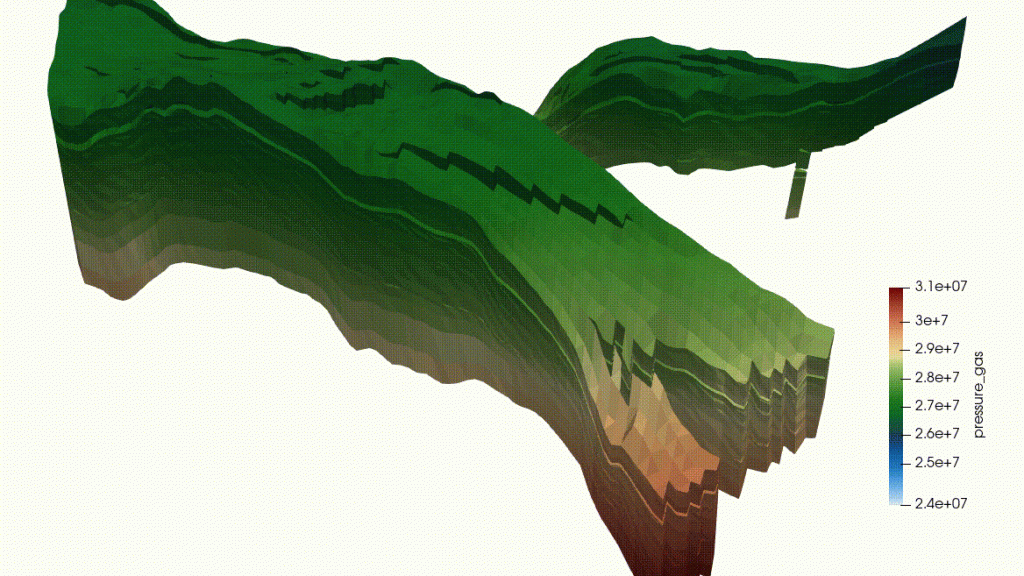
Manual simulation workflows are a bottleneck. Agentic AI promises to change that, enabling always-on simulation for subsurface engineering.

In-depth coverage of the latest AI & GPU Accelerators developments, trends, and analysis — curated daily.
Manual simulation workflows are a bottleneck. Agentic AI promises to change that, enabling always-on simulation for subsurface engineering.
Nvidia's latest driver notes reveal a new 12GB RTX 5070 for laptops. This bumps VRAM by 50%, but does it solve the real problem?
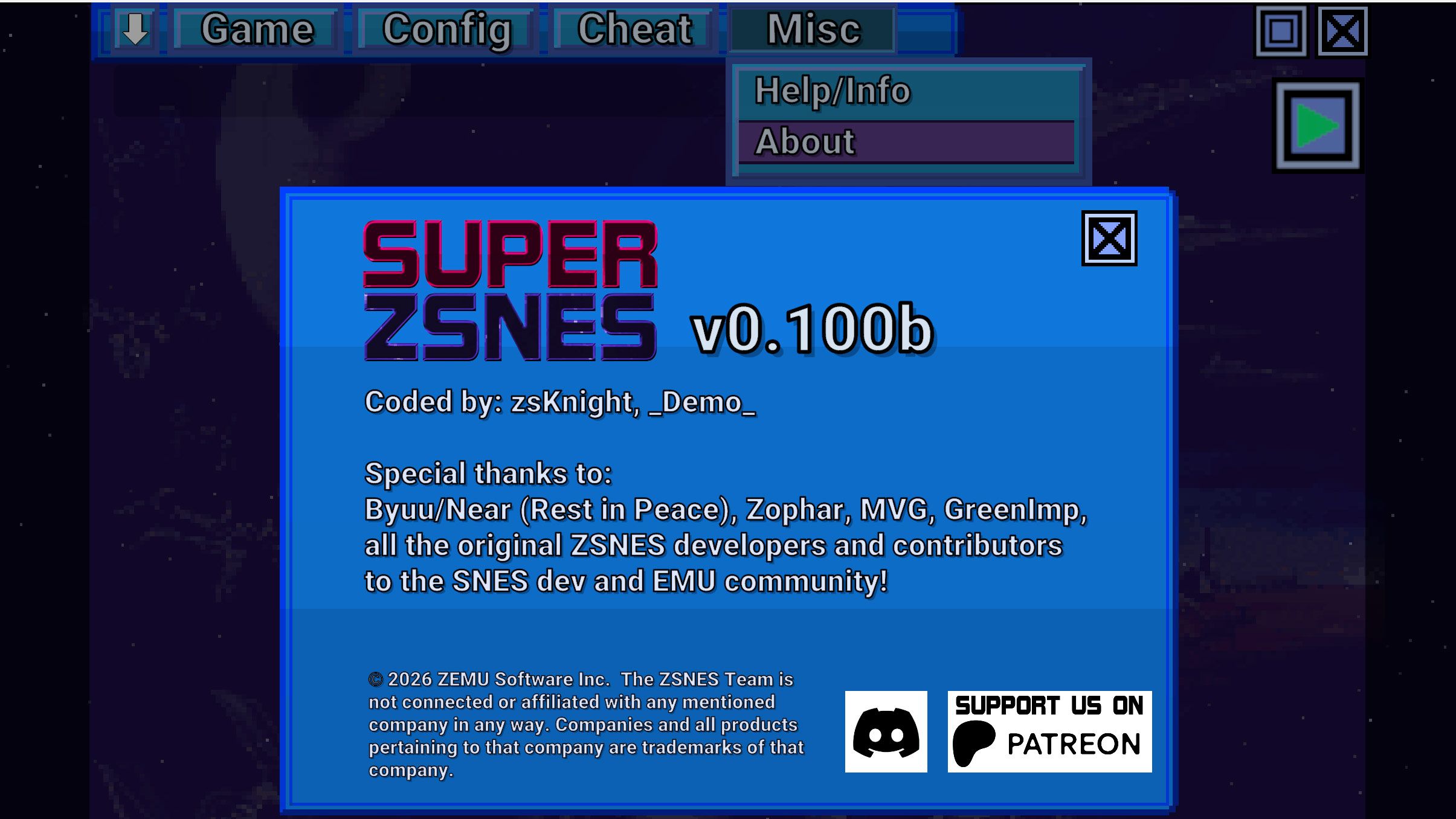
Get ready for a blast from the past, supercharged for the future! The legendary ZSNES emulator isn't just back; it's been fundamentally rebuilt, shattering expectations with GPU-powered precision.
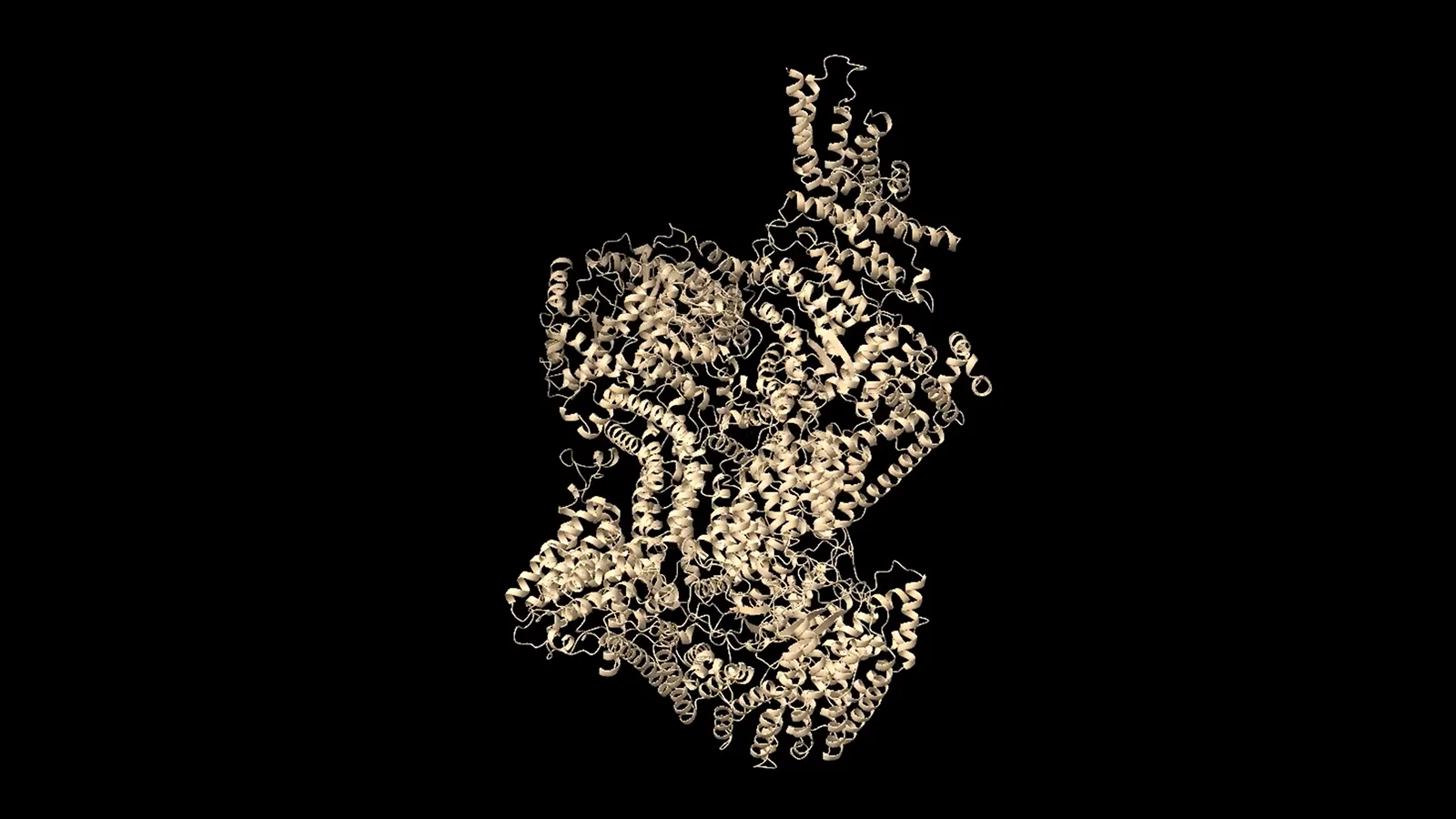
For decades, modeling complex biological molecules meant chopping them up. Now, NVIDIA's BioNeMo is changing that, allowing us to see the forest for the trees.
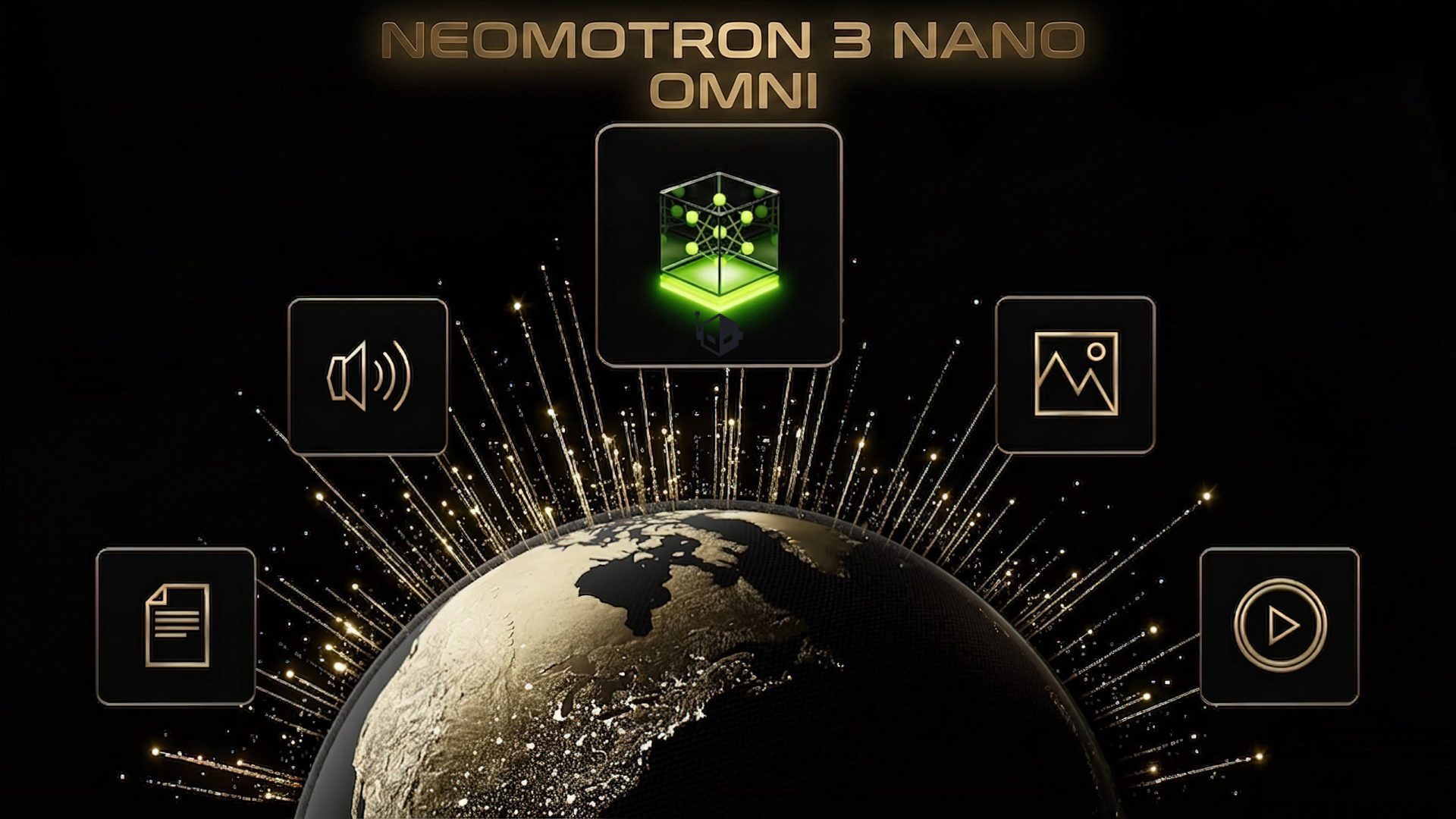
Forget incremental updates. NVIDIA just dropped Nemotron 3 Nano Omni, and it’s rewriting the playbook for AI agents with a staggering 9x performance leap. This isn't just a speed bump; it's a warp drive engaging.
Everyone's been talking about AI *doing* things. But what if AI becomes the fundamental plumbing for how we *build* the things that do things? That's precisely what Siemens and TSMC are cooking up.
Google Cloud Next served up an AI buffet this year, promising everything from new silicon to unified agent platforms. We dove in, but the lingering question remains: who's paying for all this artificial intelligence?
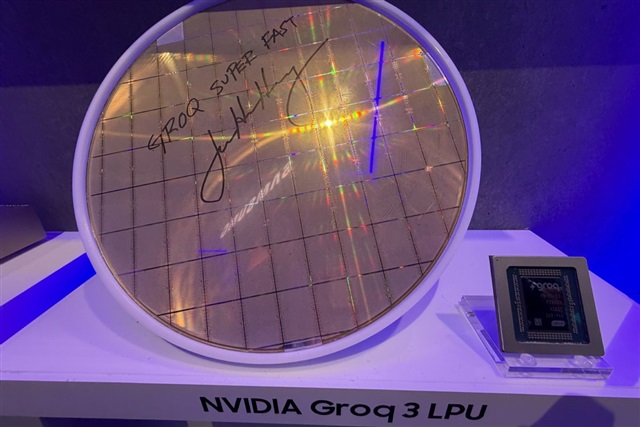
The AI chip game just got a whole lot messier. Nvidia's sudden grab for Groq signals a shift, and now the real jockeying for the next wave of chips — specifically, LPUs — is on.
Another week, another whisper of Chinese tech theft, and a wafer fab supplier scrambling to deny it. This time it's GPTC, a critical cog in TSMC's advanced packaging machine, finding itself in the crosshairs.
Intel's desktop gaming strategy is getting a radical overhaul, trading raw clock speeds for nuanced software optimizations. It's a five-year bet that could reshape how we think about CPU performance.
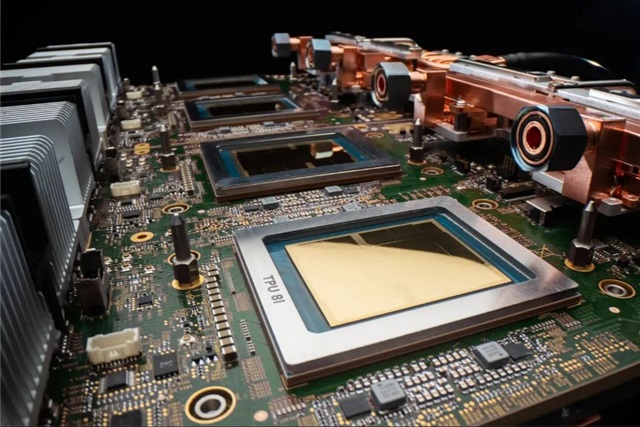
Google just carved up its AI chips into training beasts and inference speedsters. After 20 years watching Valley hype cycles, I'm asking: who's really cashing in?
TSMC's eyeing 2 million wafer starts by 2027 for advanced packaging. That's their fix for the AI industry's biggest choke point, with fabs in Taiwan and Arizona ramping hard.