PCB Signoff Finally Gets Smart, Or Just Faster?
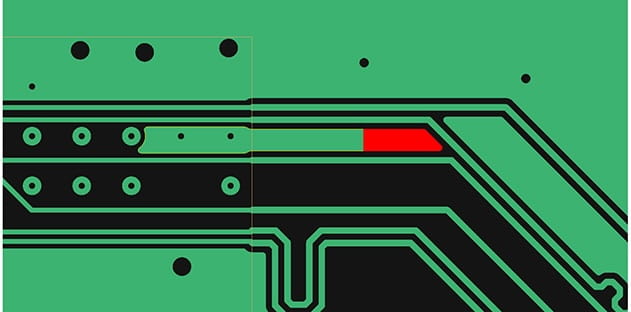
Building complex PCBs means dodging a minefield of signal integrity nightmares. Siemens is touting automation, but is it a real fix or just a faster way to miss things?

Epic Games is finally talking Unreal Engine 6, and it’s starting with Rocket League. The big promise? Ditching the single-threaded simulation bottleneck.
Building complex PCBs means dodging a minefield of signal integrity nightmares. Siemens is touting automation, but is it a real fix or just a faster way to miss things?

Quantum computers are getting bigger, but connecting all the pieces is a nightmare. A new compiler called Chipmunq aims to untangle this mess for the chiplet era.
Forget time-consuming cross-sections. Researchers have unveiled a reflectometry breakthrough, measuring nanostructures with astonishing 8nm precision, paving the way for faster semiconductor manufacturing.
Infineon researchers are using AI to tackle a major bottleneck in chip design. Forget brute-force methods; this is about smart automation.
The future of computing is stacking up, but it’s getting zapped. A new paper reveals a critical vulnerability in next-gen chiplet designs.
Nvidia's latest driver notes reveal a new 12GB RTX 5070 for laptops. This bumps VRAM by 50%, but does it solve the real problem?
It's hard to imagine modern tech without the FPGA. This unassuming chip, now 40 years old, is quietly powering everything from AI breakthroughs to critical infrastructure.
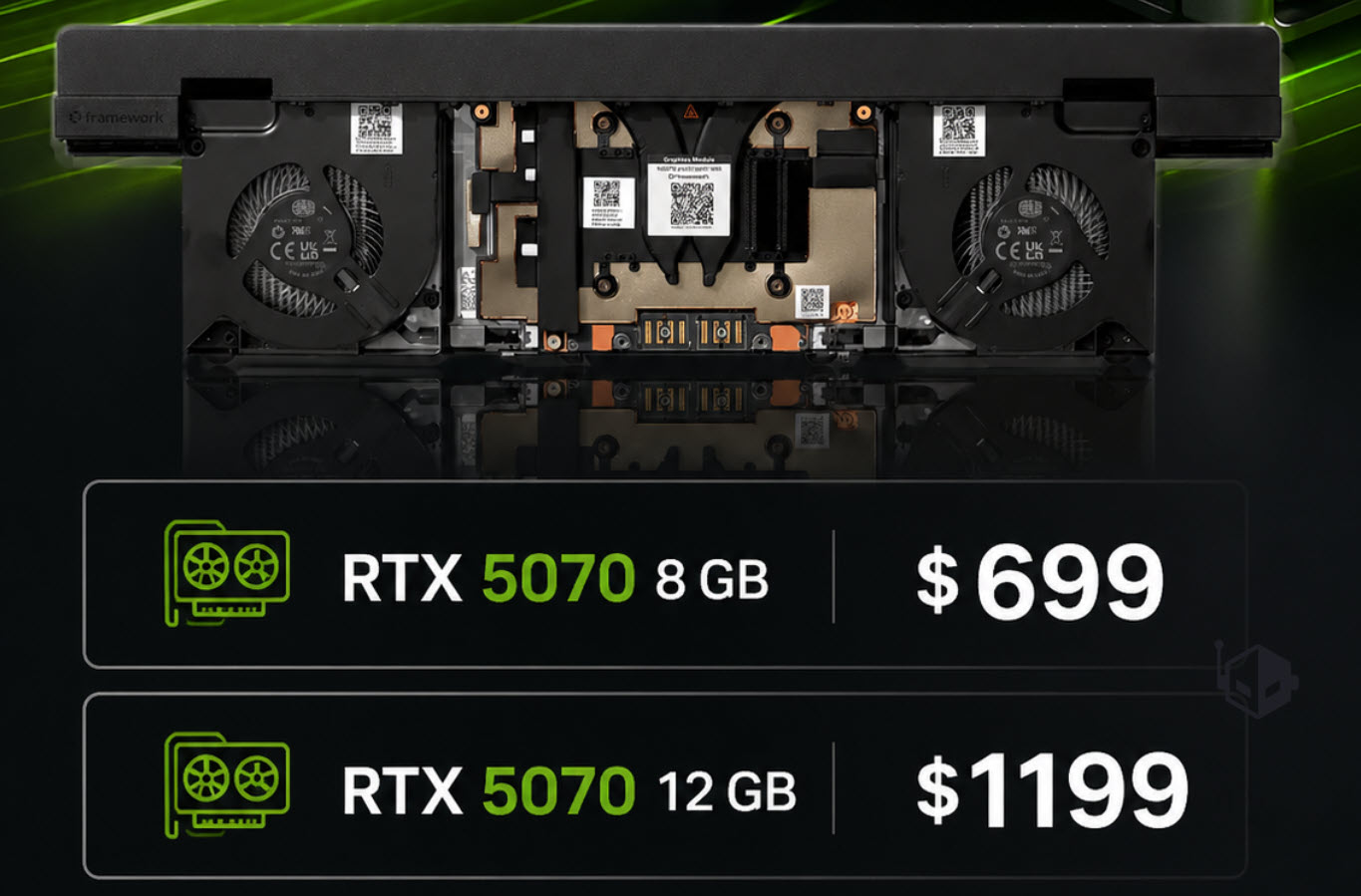
Framework's modular Laptop 16 always promised future-proofing, but their latest GPU upgrade is a stark reminder of current hardware realities. You'll pay a premium for that extra VRAM.
Your LLM might be getting a speed boost, but don't expect it overnight. New research proposes a smarter way to stack computer chips, potentially slashing the time it takes for AI to generate text.
The relentless march of more powerful chips is a heat problem. Now, Georgia Tech researchers are out with a potential solution: ultralong alumina nanowires that punch well above their weight in thermal management.
China just announced a supercomputer project, Lingshen, aiming for an eye-watering 2 ExaFLOPS. The catch? It's all CPU. No GPUs, no foreign parts. Sounds ambitious, right? Or maybe just a lot of hot air.
SK hynix says it's figured out how to cram more memory chips together. But don't expect your next laptop to suddenly run Crysis at 8K.