China’s walled garden.
Google’s recent announcement, rolling out Gemini Intelligence into the US version of Android, marks a significant evolution for the mobile operating system. It’s no longer just a platform; it’s morphing into an intelligent system, a direct push into the AI-driven future. This isn’t merely an iterative update; it’s an architectural reimagining, aiming to embed generative AI deeply into the user experience, from device operation to content creation. The implications for user interaction, app development, and competitive dynamics are substantial, particularly as this signals Google’s intent to bake its AI ambitions into the very fabric of Android.
But here’s the stark reality: this sophisticated AI upgrade, this glimpse into a more intelligent mobile future, will largely bypass the world’s second-largest smartphone market. China’s AI ecosystem, already a fiercely competitive and deeply entrenched landscape of local giants like Baidu, Alibaba, and Tencent, is remarkably self-contained. These domestic players have meticulously cultivated their own advanced AI models and services, tailored precisely to Chinese user preferences, regulatory environments, and data infrastructure.
The move pushes Android from a traditional operating system toward a “smart system,” but in China, local AI ecosystems leave little room for external integration.
This isn’t a surprise, not really. For years, China has prioritized data sovereignty and fostered domestic technological development, creating an environment where foreign tech platforms often struggle for traction, even without the added complexity of advanced AI integration. Think of it as a national imperative; building indigenous AI capabilities is seen as vital for economic growth, national security, and technological independence. So, while American and European users can anticipate a more smoothly, AI-powered Android experience, their Chinese counterparts will continue to operate within a distinct, parallel universe of AI services.
Will Android’s AI Globalize or Fragment?
This divergence raises a critical question about the future of globalized tech platforms. Is the era of universal operating system features giving way to regionally tailored, AI-driven ecosystems? The answer, at least in the short to medium term, seems to be a resounding yes. For Google, the strategic imperative in China is different. Instead of pushing its global AI vision, it must navigate an already sophisticated, highly competitive local market where user engagement is dominated by established domestic AI champions. The cost of entry for a foreign AI model to meaningfully penetrate this market is astronomically high, requiring not just technological parity but also deep integration with local services and a thorough understanding of complex regulatory frameworks.
The market share data paints a grim picture for direct foreign AI competition in China’s mobile space. Domestic super-apps and AI assistants have already captured the imagination and daily routines of Chinese consumers. These platforms offer an integrated suite of services, from e-commerce and social networking to navigation and entertainment, all powered by proprietary AI. Introducing Gemini as a separate, albeit integrated, feature on Android would be like trying to sell a new brand of soda in a country where Coca-Cola and Pepsi have already perfected their local formulas and distribution networks. It’s a battle for user attention and data, and the incumbents have a significant head start.
The Ripple Effect for Chipmakers
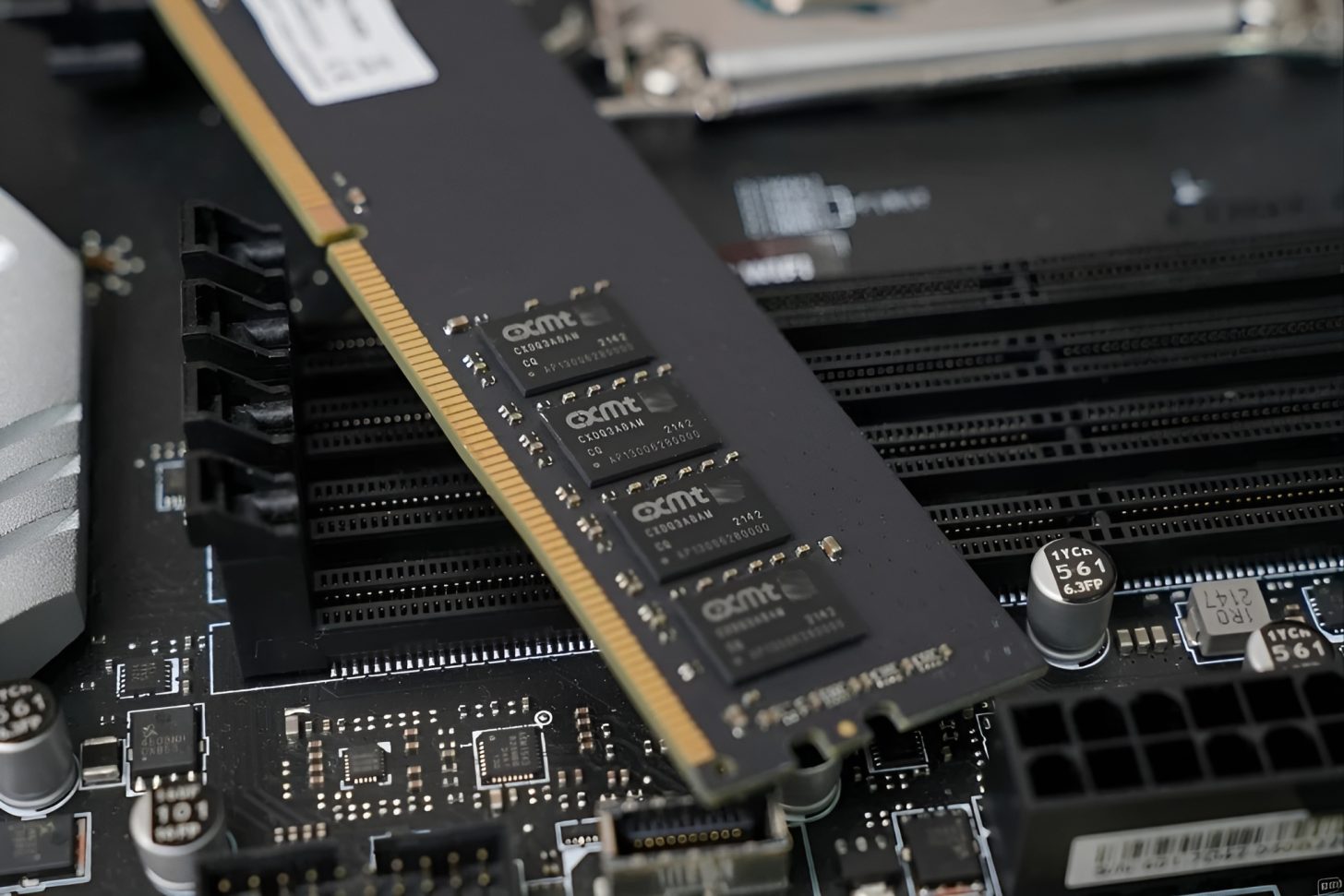
This isn’t just about software; it has profound implications for the hardware sector, particularly for chip designers and manufacturers. The demand for AI-optimized hardware is skyrocketing. However, the specific architectures and power requirements might differ significantly between the AI models developed by Google for its global users and those optimized by Chinese companies for their domestic AI platforms. This could lead to further specialization in chip design, with different foundries and fabless semiconductor companies focusing on catering to these distinct, albeit sometimes overlapping, AI hardware needs. For example, companies designing AI accelerators for the Chinese market will need to align closely with the specific neural network architectures and inference engines favored by Baidu’s Ernie Bot or Alibaba’s Tongyi Qianwen, rather than solely focusing on Google’s Gemini architecture. The fragmentation of AI development naturally leads to a fragmentation of the hardware ecosystem required to power it.
The situation underscores a broader geopolitical trend: the increasing bifurcation of the global technology landscape. While the underlying principles of AI may be universal, their implementation, development, and deployment are becoming increasingly localized, driven by national interests, data privacy concerns, and competitive dynamics. For Big Tech, navigating this complex terrain requires a strategic pivot—one that acknowledges the limitations of a one-size-fits-all approach and embraces the necessity of deep, region-specific engagement. This latest Android AI upgrade, while a significant step for global users, serves as a stark reminder that for the Chinese market, the AI revolution is a story being written by local hands.
Unique Insight: This bifurcated AI development mirrors the early days of the internet, where localized content and services created distinct online experiences. The difference now is the speed and scale at which AI can reinforce these national digital fortresses, potentially accelerating a long-term decoupling of global tech ecosystems.
🧬 Related Insights
- Read more: VSORA’s Jotunn8: Silicon That Starves Never Again for AI Inference
- Read more: Broadcom’s 400G/Lane DSP: AI’s Bandwidth Savior or Just More Chip Hype?
Frequently Asked Questions
What does Gemini Intelligence in Android do? Gemini Intelligence integrates Google’s advanced AI capabilities directly into the Android operating system, aiming to make devices smarter, more helpful, and capable of more complex tasks.
Why is China’s AI ecosystem self-contained? China has a strong emphasis on data sovereignty and fostering domestic technological innovation, leading local tech giants to develop their own advanced AI models and services tailored to the Chinese market and regulatory environment.
Will this affect smartphone hardware sales? Yes, the divergence in AI development could lead to more specialized chip designs catering to the distinct requirements of global vs. Chinese AI models, impacting hardware manufacturers and component suppliers.