Does the world really need more open hardware? We’ve got open source software everywhere. Linux on servers. WordPress on websites. It’s the bedrock of the digital age. Open hardware? Not so much. It’s been around since the late 90s, a shy cousin compared to its software sibling, mostly ignored.
Now, a new consortium called Pavona is stepping into the arena. Spearheaded by zeroRISC CEO Dominic Rizzo, it’s a global effort to make hardware modular, standardized, and, they claim, trusted. Think of it as an IKEA for chips.
And what does this IKEA offer? A starting kit of modules. Reference designs. Software tools. A governance structure to keep the peace. The goal? To shove open hardware into everything from your smart toaster to the behemoth data centers crunching AI models.
Andrew “Bunnie” Huang, a founding member, calls it “foundational.” He thinks it’s the “nugget of something open” that can finally spread. The implications, he says, could shape how we interact with hardware and open source for ages. Big words. Let’s see if the execution matches the hype.
Why Hardware Isn’t Software (Yet)
Here’s the fundamental problem: manufacturing is inherently closed. You can’t exactly open-source a silicon foundry. So, open hardware always exists in layers. The chip fab? Closed. The physical design kit? Closed. The foundry process? You guessed it, closed. What can be open is the design verification, the system architecture, the instruction set, the firmware. It’s a compromise, a patch job.
Pavona isn’t trying to tear down the foundry walls. Instead, it’s about taking the existing open layers and making them easier to slap together. Rizzo likens it to Legos. Snap a piece here for an IoT device, there for a data center SoC. Clever framing. The real trick is the “architectural composition engine” – a software wrapper that lets these open bits talk to different computing cores like ARM or RISC-V. This means companies can integrate without ripping up their entire software stack. A neat trick, if it works.
Pavona’s First Chip: OpenTitan and the Quantum Threat
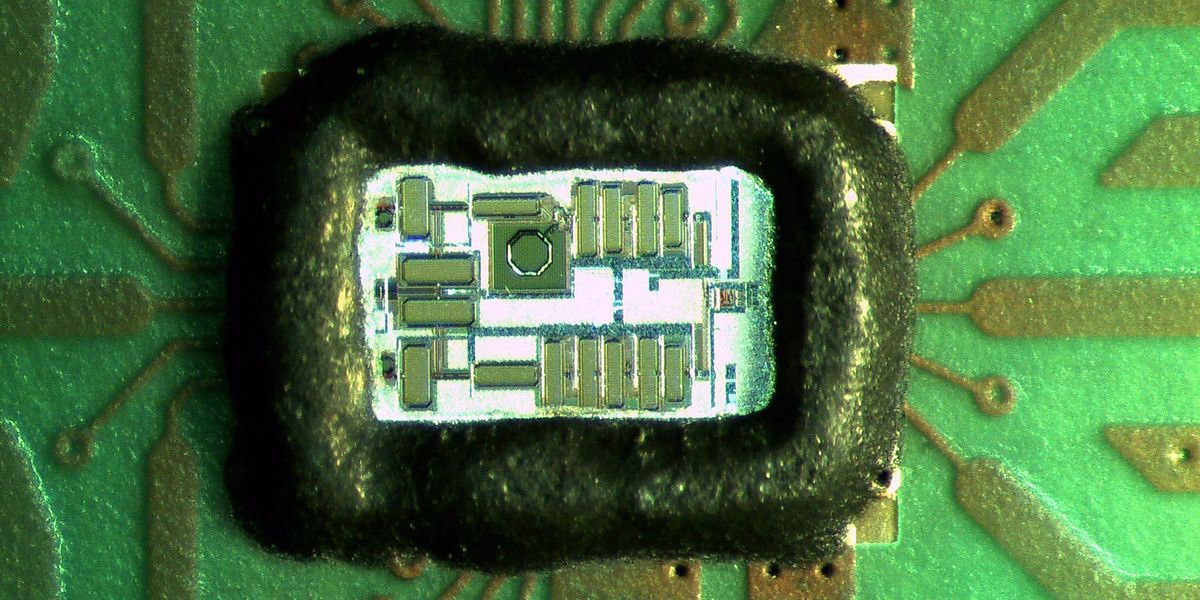
Pavona’s initial offering? Components from OpenTitan. This is a “hardware root-of-trust” chip. Essentially, a secure foundation for everything else. They’ve even added extensions for post-quantum cryptography. Because, apparently, current encryption isn’t good enough for the quantum doomsday clock ticking towards 2030.
Rizzo is betting on a trifecta of forces to drive adoption. First, the AI feeding frenzy, which is gulping chips like a dehydrated marathon runner. Second, government mandates for post-quantum security. Third, new European regulations like the Cyber Resilience Act, forcing more security scrutiny. He believes these pressures will push people towards secure, open-source silicon.
“I think those three things together are all driving people in this direction of using secure, open-source silicon,” Rizzo says.
But is security hardware the only game in town? Pavona aims to be a free-for-all for new designs. “We absolutely are rejecting gatekeeping,” Rizzo insists. Contributions are welcome, no membership fee required. To build trust – from tiny contributors and giant corporations alike – they’ve cribbed a governance model from the software world. Think Yocto. Companies that join get… well, they get to join. The details get fuzzy from there. It smells suspiciously like a committee trying to manage chaos.
The Skeptic’s Take
Let’s be blunt. Open source software thrived because it solved a clear problem: vendor lock-in and the high cost of proprietary development. It was a practical, economic revolution. Open hardware faces a much steeper climb. The cost and complexity of silicon fabrication are astronomical. The barriers to entry are sky-high. Pavona is trying to build a bridge over a chasm with a few planks and a lot of hope.
Will modularity and standardized interfaces be enough to overcome the sheer inertia of established, closed manufacturing processes? It’s a valid question. The promise is enticing: more secure, more adaptable hardware. But the reality of silicon is that it’s unforgiving. A tiny flaw can sink a chip. And trusting a community to catch every bug in a hardware design when the manufacturing itself is opaque? That requires a leap of faith I’m not entirely prepared to make. This is less about building a digital castle and more about convincing people to buy slightly more accessible bricks for a castle that still requires a royal decree to even consider building.
🧬 Related Insights
- Read more: AWS’s Trainium Lifeline: Will Amazon’s Custom Chips Rescue Its AI Laggard Status?
- Read more: Quantum Chips Hit a Snag: New Compiler Tries to Fix It
Frequently Asked Questions
What is Pavona?
Pavona is a new open hardware ecosystem aiming to standardize and facilitate the adoption of modular hardware components, starting with secure chips.
Will Pavona replace proprietary hardware?
It’s unlikely to replace proprietary hardware entirely in the short term. Pavona aims to offer an alternative, particularly in areas where security and transparency are paramount.
Is Pavona related to open-source software?
Yes, Pavona is inspired by the success of open-source software and aims to bring similar principles of collaboration and accessibility to the hardware design world.