AI is a platform shift.
And this isn’t just another operating system; it’s a declaration. China has officially unveiled its first robot operating system, built from the ground up on OpenHarmony. Think of it like the foundational bedrock for a new generation of thinking machines, a digital nervous system for everything from humanoid robots performing delicate tasks to the vast industrial automation grids powering their economy. This move isn’t just about building better robots; it’s about building an independent robotics ecosystem, a fully domestic stack from silicon to software.
The OpenHarmony Equation
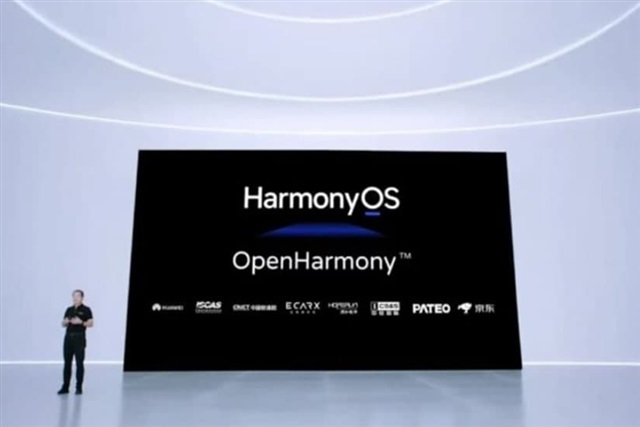
For years, the tech world has been dominated by a handful of OS giants – Windows, macOS, Linux, Android, iOS. They’re the silent architects of our digital lives. OpenHarmony, however, represents a different kind of ambition. It’s an open-source operating system spearheaded by the China Academy of Information and Communications Technology (CAICT) and backed by a consortium of tech heavyweights, including Huawei. The genius here is its adaptability; it’s designed to scale across a dizzying array of devices, from the smallest IoT sensors to the most complex robotic brains. By slapping this foundation onto robots, China is essentially saying, ‘We’re not just consuming; we’re creating the blueprints for the future of automation, and we’re doing it our way.’
Why This Matters for Global Robotics
This isn’t just a domestic play. The implications ripple outwards, shaking the foundations of the global robotics and AI industry. For a long time, Western tech has held a near-monopoly on the core software that powers advanced machines. Now, China is aggressively forging its own path, aiming to reduce reliance on foreign technology and establish a powerful, indigenous ecosystem. This is like watching a new continent rise from the sea – a bold, audacious expansion into uncharted territory.
Consider the speed at which AI is advancing. It’s a runaway train, and the operating system is the track it runs on. If China can establish OpenHarmony as the dominant OS for robotics, they gain immense use. They control the standards, the development environment, and ultimately, the direction of innovation in a sector poised to transform every aspect of human life. It’s a strategic move that speaks volumes about their long-term vision for technological self-sufficiency and global competitiveness.
Is This Just Hype, Or a Real Threat?
Skepticism is healthy in this industry, especially when national tech ambitions are involved. But the sheer scale of investment and the collaborative effort behind OpenHarmony suggest this is more than just a public relations exercise. We’re talking about a concerted, national strategy to build an entire technological domain from the ground up. The open-source nature of OpenHarmony also allows for rapid iteration and customization, making it incredibly attractive for developers looking to build specialized robotic applications. Companies aren’t just getting an OS; they’re getting a platform to innovate upon, an ecosystem to plug into. It’s a powerful incentive.
“The launch of the OpenHarmony-based robot OS signifies a critical step towards building a unified and intelligent future for robotics, both domestically and potentially on the global stage.”
This quote, while perhaps a bit PR-friendly, captures the essence of the ambition. The “unified” aspect is key; it suggests a standardized approach that can accelerate development and deployment across a wide range of robotic applications. Imagine a scenario where a robot designed for logistics can be easily adapted for elder care, or a factory automaton can be quickly retrained for new production lines, all powered by the same foundational OS. That’s the promise, and it’s a compelling one.
The Geopolitical Undercurrent
Beyond the technical marvels, this endeavor is deeply intertwined with geopolitical currents. The ongoing tech decoupling between the East and West makes the pursuit of independent, domestic software ecosystems a strategic imperative for nations aiming for technological sovereignty. By championing OpenHarmony, China is not only aiming for self-reliance but also seeking to establish its own standards and influence in a rapidly growing technological frontier. It’s a strategic chess match, and this OS launch is a bold move on the board.
This isn’t the first time a nation has sought to build its own digital infrastructure. But the sheer breadth and depth of China’s ambitions in AI and robotics, coupled with the open-source approach of OpenHarmony, make this a development Chip Beat will be watching with intense focus. It’s a fundamental platform shift, and the ground is shifting beneath our feet.
🧬 Related Insights
- Read more: Intel Core i9-14900KF Hits 9.2 GHz: A New Peak in CPU Frequency
- Read more: ULTRARAM’s AI Synapse Gambit: Hype or Hardware Holy Grail?
Frequently Asked Questions
What exactly is OpenHarmony? OpenHarmony is an open-source operating system developed by the China Academy of Information and Communications Technology (CAICT) and Huawei. It’s designed to be highly versatile, capable of running on a wide range of devices from IoT gadgets to complex systems like robots.
Will this OS be used outside of China? The long-term goal is certainly for wider adoption, but initially, the focus is on establishing a strong domestic ecosystem for China’s AI and robotics industries. Its open-source nature, however, means it has the potential to attract international developers and partners over time.
How does this OS differ from Android or other Linux-based systems? While sharing some foundational principles with Linux, OpenHarmony is designed with greater emphasis on cross-device compatibility and a more unified architecture. Its microkernel design and modularity aim for enhanced security, flexibility, and performance across diverse hardware, which is particularly beneficial for specialized systems like robots.